 EN
EN


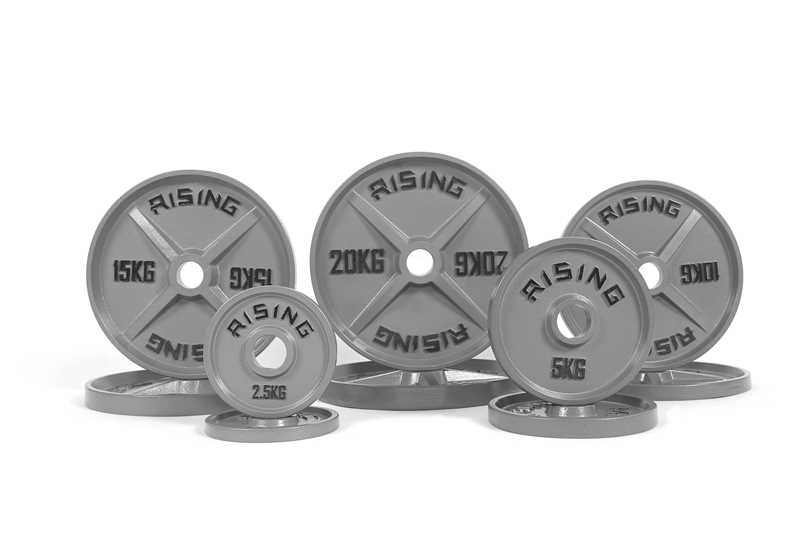
The durability of cast iron weight plates fundamentally determines their long-term value and performance in both commercial and home gym environments. Understanding what makes these plates last for decades versus deteriorating within years is crucial for equipment buyers, gym operators, and fitness enthusiasts who demand reliable training tools. Cast iron weight plates represent a significant investment, and their durability directly impacts training consistency, safety standards, and total cost of ownership over time.
Multiple interconnected factors influence how well cast iron weight plates withstand repeated use, environmental exposure, and mechanical stress. These factors range from raw material composition and manufacturing processes to surface treatments and design specifications. Each element plays a critical role in determining whether plates maintain their structural integrity, dimensional accuracy, and functional performance throughout years of intensive use. Recognizing these durability determinants enables informed purchasing decisions and proper maintenance practices that maximize equipment lifespan.
Raw Material Quality and Iron Composition
Iron Purity and Alloy Content
The fundamental durability of cast iron weight plates begins with the quality and composition of the raw iron used in manufacturing. High-grade cast iron contains carefully controlled levels of carbon, silicon, and other elements that directly influence the final product's strength, hardness, and resistance to wear. Cast iron weight plates made from superior raw materials exhibit better dimensional stability and reduced susceptibility to cracking under stress. The carbon content typically ranges between 2.5% to 4%, with optimal levels providing the ideal balance between hardness and impact resistance.
Silicon content in quality cast iron weight plates typically falls between 1% to 3%, contributing to graphite formation during the cooling process. This graphite structure enhances the material's ability to absorb vibrations and resist brittle failure modes. Premium manufacturers carefully source iron ore and scrap materials to minimize impurities like sulfur and phosphorus, which can create weak points in the cast iron matrix. The presence of trace elements such as manganese and chromium can further improve the durability characteristics of cast iron weight plates by enhancing hardenability and corrosion resistance.
Microstructure Development During Casting
The cooling rate and solidification process significantly impact the microstructure of cast iron weight plates, which directly correlates to their durability performance. Controlled cooling allows for proper graphite flake formation and pearlitic matrix development, creating the optimal combination of strength and toughness. Rapid cooling can result in hard but brittle structures, while overly slow cooling may produce softer materials with reduced wear resistance. Quality manufacturers employ specific cooling protocols to achieve consistent microstructures throughout cast iron weight plates.
The distribution and morphology of graphite flakes within the cast iron matrix influence how stress concentrations develop during use. Well-distributed, fine graphite flakes provide better mechanical properties compared to coarse or clustered formations. The pearlitic matrix surrounding these graphite flakes contributes to the overall hardness and wear resistance of cast iron weight plates. Proper heat treatment following casting can further refine the microstructure and optimize the balance between hardness and impact resistance for enhanced durability.
Manufacturing Process Control and Quality Standards
Foundry Practices and Temperature Management
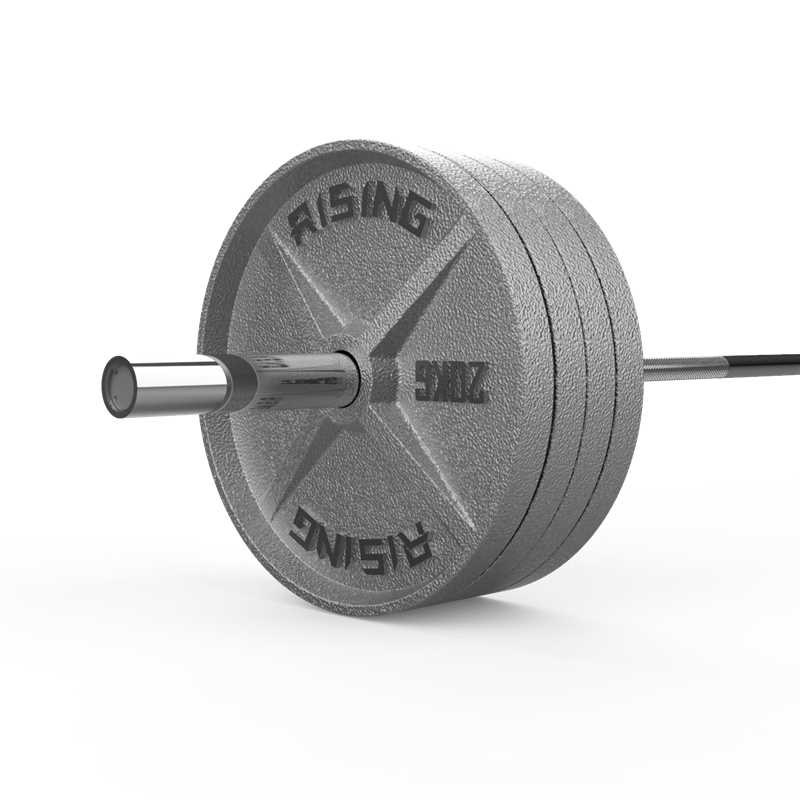
The foundry processes used to create cast iron weight plates fundamentally determine their structural integrity and long-term durability. Precise temperature control during melting and pouring ensures complete dissolution of alloying elements and proper degassing of the molten iron. Temperatures typically maintained between 1450°C to 1500°C allow for optimal fluidity and filling of mold cavities while preventing excessive oxidation. Professional foundries employ induction furnaces or cupola furnaces with advanced temperature monitoring systems to maintain consistent thermal conditions throughout the casting process.
Mold design and gating systems significantly influence the quality of cast iron weight plates by controlling how molten metal flows into the mold cavity. Properly designed gating prevents turbulence that can introduce air bubbles or slag inclusions, both of which create potential failure points that reduce durability. The use of appropriate mold materials and coatings ensures smooth surface finishes and dimensional accuracy. Quality manufacturers implement strict quality control protocols, including spectroscopic analysis of molten iron and systematic inspection of mold conditions before each pour.
Cooling Rate Optimization and Heat Treatment
Controlled cooling following the casting process is essential for developing the optimal microstructure in cast iron weight plates. The cooling rate must be carefully managed to prevent thermal shock while allowing sufficient time for proper graphite precipitation and matrix formation. Foundries often employ controlled cooling chambers or insulated molds to achieve uniform temperature reduction throughout the casting. This process prevents the formation of internal stresses that could lead to cracking or dimensional instability in finished cast iron weight plates.
Post-casting heat treatment processes, such as stress relieving or normalization, further enhance the durability of cast iron weight plates by eliminating residual stresses and homogenizing the microstructure. Stress relieving typically involves heating plates to temperatures around 500°C to 600°C followed by slow cooling, which reduces internal tensions without significantly altering the mechanical properties. Some manufacturers apply specific annealing cycles to optimize the balance between hardness and toughness based on intended use applications for their cast iron weight plates.
Surface Treatment and Protective Coatings
Corrosion Resistance Strategies
The surface treatment applied to cast iron weight plates plays a crucial role in their long-term durability, particularly regarding corrosion resistance and surface wear characteristics. Raw cast iron naturally develops a protective oxide layer when exposed to atmospheric conditions, but this natural protection may be insufficient in humid or aggressive environments. Professional surface treatments include shot blasting, sandblasting, or chemical etching to create optimal surface profiles for subsequent coating adhesion. These preparation methods remove casting scale, surface impurities, and create uniform surface textures that promote coating longevity.
Powder coating represents one of the most effective surface protection methods for cast iron weight plates, providing excellent corrosion resistance and impact protection. The electrostatic powder coating process creates uniform coverage and strong adhesion to the prepared cast iron surface. Epoxy-based powder coatings offer superior chemical resistance, while polyester formulations provide excellent UV stability and color retention. The coating thickness typically ranges from 60 to 120 microns, balancing protection with dimensional accuracy requirements for cast iron weight plates.
Surface Hardness and Wear Resistance
Surface hardening treatments can significantly enhance the durability of cast iron weight plates by increasing wear resistance in contact areas. Flame hardening or induction hardening processes selectively increase surface hardness while maintaining core toughness, creating an ideal combination for applications involving repeated loading and impact. These treatments typically achieve surface hardness values between 45 to 55 HRC while preserving the underlying ductility of the cast iron matrix. The depth of hardening can be controlled to optimize performance for specific load-bearing requirements.
Alternative surface treatments include phosphating, which provides a conversion coating that enhances paint adhesion and provides mild corrosion protection. Some manufacturers apply specialized primers or base coats designed specifically for cast iron substrates to improve coating durability and adhesion. The selection of appropriate surface treatments depends on the intended use environment, expected load conditions, and maintenance requirements for the cast iron weight plates. Proper surface preparation and treatment significantly extend service life and maintain appearance quality throughout years of use.
Design Specifications and Structural Features
Thickness Distribution and Load-Bearing Design
The structural design of cast iron weight plates significantly influences their ability to withstand repeated loading cycles and impact forces without failure. Optimal thickness distribution ensures adequate strength while minimizing material usage and production costs. Critical stress concentration areas, such as handle cutouts and mounting holes, require careful design consideration to prevent crack initiation and propagation. Finite element analysis and stress modeling help manufacturers optimize plate geometry for maximum durability under typical use conditions.
Rim thickness and profile design affect how cast iron weight plates respond to impact loading and edge contact with other equipment. Thicker rims generally provide better impact resistance but increase material costs and handling weight. The transition radius between different thickness sections must be carefully designed to minimize stress concentrations that could lead to fatigue failures. Professional manufacturers conduct extensive testing to validate design specifications and ensure cast iron weight plates meet or exceed industry durability standards for commercial and residential applications.
Handle and Mounting Feature Engineering
Handle design represents a critical factor in the overall durability of cast iron weight plates, as these features experience high stress concentrations during lifting and manipulation. Proper handle geometry distributes loads evenly and prevents stress risers that could initiate cracks. The size, shape, and location of handles must accommodate ergonomic requirements while maintaining structural integrity. Smooth transitions between handle openings and the main plate body reduce stress concentrations and improve fatigue resistance.
Center hole specifications and tolerance control directly impact the durability of cast iron weight plates during use on barbells and specialized equipment. Precise hole geometry ensures proper fit and load distribution while preventing binding or excessive wear. The surface finish and dimensional accuracy of mounting holes affect how loads transfer between the plate and supporting equipment. Quality manufacturers implement strict dimensional controls and surface finishing processes to ensure consistent fit and optimal load transfer characteristics throughout the service life of cast iron weight plates.
Environmental Resistance and Usage Factors
Temperature Cycling and Thermal Stress Management
Environmental temperature variations significantly impact the durability of cast iron weight plates through thermal expansion and contraction cycles. Cast iron exhibits a coefficient of thermal expansion of approximately 11 × 10⁻⁶ per degree Celsius, which creates internal stresses during temperature changes. Plates used in outdoor or unheated environments experience greater thermal cycling, which can accelerate fatigue processes and potentially lead to cracking in high-stress areas. The thermal mass of cast iron weight plates provides some protection against rapid temperature changes, but prolonged exposure to extreme temperatures requires consideration in design and material selection.
Thermal shock resistance becomes particularly important for cast iron weight plates used in environments with rapid temperature changes or extreme conditions. The microstructure and material composition influence thermal shock resistance, with finer graphite structures generally providing better performance. Proper heat treatment and controlled cooling during manufacturing enhance thermal stability and reduce susceptibility to thermal stress cracking. Users can extend durability by avoiding extreme temperature exposure and allowing gradual temperature equilibration when moving equipment between different environmental conditions.
Chemical Exposure and Environmental Degradation
Chemical exposure from cleaning agents, atmospheric pollutants, and environmental contaminants can significantly impact the long-term durability of cast iron weight plates. Acidic environments accelerate corrosion processes, while alkaline conditions may affect surface treatments and protective coatings. Salt exposure, particularly in coastal areas or facilities using de-icing chemicals, creates aggressive corrosion conditions that can penetrate protective coatings and attack the underlying cast iron. Regular inspection and maintenance help identify early signs of chemical attack and prevent progressive deterioration.
Humidity control plays an essential role in preserving the durability of cast iron weight plates by minimizing corrosion rates and maintaining coating integrity. High humidity environments accelerate oxidation processes and can lead to coating failure through moisture penetration. Proper ventilation, climate control, and storage practices significantly extend the service life of cast iron weight plates in indoor facilities. For outdoor applications, additional protective measures such as covers or enhanced coating systems may be necessary to maintain optimal durability performance over time.
FAQ
How does the carbon content in cast iron affect weight plate durability?
Carbon content between 2.5% to 4% creates the optimal balance of hardness and impact resistance in cast iron weight plates. Higher carbon levels increase hardness but can make the material more brittle, while lower carbon content reduces hardness and wear resistance. The carbon forms graphite flakes during cooling, which help absorb impact energy and prevent crack propagation, directly enhancing durability performance.
What manufacturing defects most commonly reduce cast iron weight plate lifespan?
The most durability-limiting defects include gas porosity from improper degassing, slag inclusions from contaminated melt, and cold shuts from insufficient pouring temperature. These defects create stress concentration points that can initiate cracks under load. Rapid cooling that creates carbide formations also reduces durability by making the material brittle and prone to impact damage.
How do surface treatments impact the long-term performance of cast iron weight plates?
Quality surface treatments like powder coating provide essential corrosion protection and extend service life by 5-10 times compared to untreated plates. Proper surface preparation and coating application prevent moisture penetration and chemical attack. However, poor coating adhesion or inadequate surface preparation can trap moisture and accelerate corrosion, actually reducing durability compared to well-maintained bare cast iron.
What environmental factors have the greatest impact on cast iron weight plate deterioration?
High humidity combined with temperature cycling creates the most aggressive conditions for cast iron weight plate degradation. Salt exposure from coastal environments or winter de-icing accelerates corrosion rates significantly. UV exposure can degrade protective coatings over time, while extreme temperature changes create thermal stresses that can lead to cracking in high-stress areas like handles and mounting holes.
Table of Contents
- Raw Material Quality and Iron Composition
- Manufacturing Process Control and Quality Standards
- Surface Treatment and Protective Coatings
- Design Specifications and Structural Features
- Environmental Resistance and Usage Factors
-
FAQ
- How does the carbon content in cast iron affect weight plate durability?
- What manufacturing defects most commonly reduce cast iron weight plate lifespan?
- How do surface treatments impact the long-term performance of cast iron weight plates?
- What environmental factors have the greatest impact on cast iron weight plate deterioration?