 EN
EN


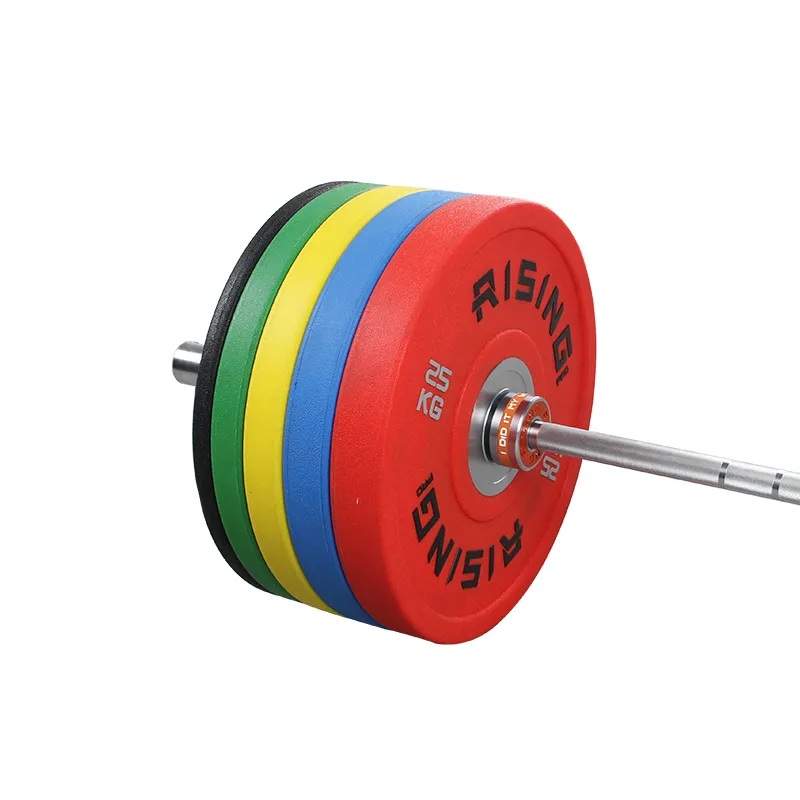
Purchasing bumper plates for a commercial gym requires careful consideration of multiple factors that directly impact member safety, equipment longevity, and operational efficiency. Unlike home gym setups, commercial environments demand bumper plates that can withstand constant use by diverse user groups with varying skill levels and training intensities.
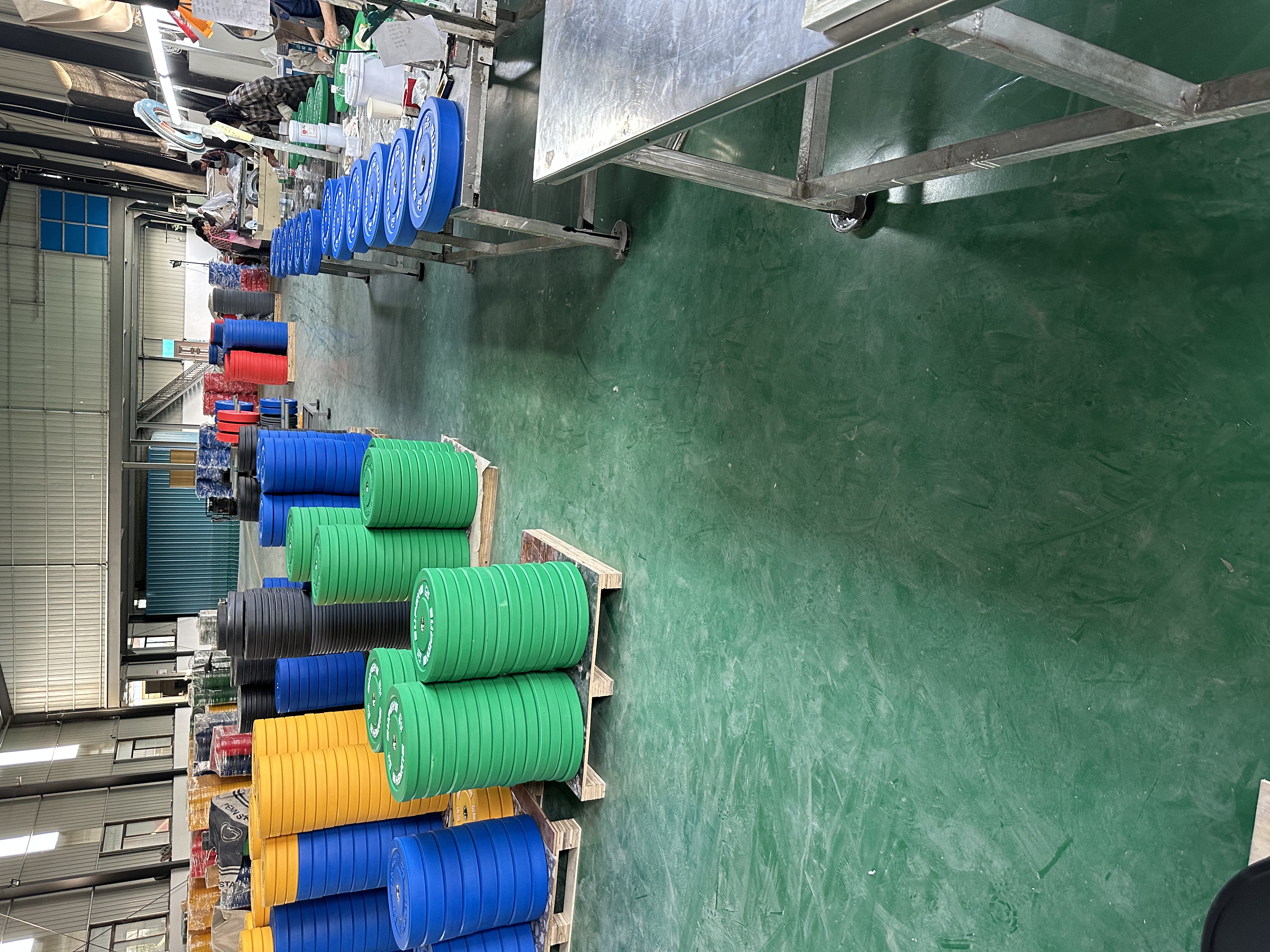
The decision-making process for commercial gym owners involves evaluating durability standards, weight accuracy, noise reduction capabilities, and long-term cost effectiveness. Quality bumper plates serve as foundational equipment that influences member satisfaction, injury prevention protocols, and the overall training environment quality that distinguishes professional fitness facilities from basic workout spaces.
Durability Requirements for High-Volume Commercial Use
Material Composition and Construction Quality
Commercial bumper plates must feature high-grade rubber compounds that maintain structural integrity under repeated dropping from overhead positions. Virgin rubber formulations typically outperform recycled alternatives in commercial settings, providing superior bounce consistency and resistance to cracking. The rubber density should range between 1.2 to 1.5 grams per cubic centimeter to ensure optimal shock absorption while maintaining accurate weight specifications.
Steel insert quality represents another critical durability factor, as commercial bumper plates endure thousands of loading cycles weekly. Stainless steel or high-carbon steel inserts resist corrosion and maintain tight tolerances even after extensive use. The insert design should feature smooth edges and precise machining to prevent barbell sleeve damage and ensure consistent plate rotation during dynamic movements.
Bonding technology between rubber and steel components determines long-term structural reliability in commercial environments. Heat-vulcanized bonding processes create stronger molecular bonds compared to adhesive-based systems, reducing the risk of plate separation under stress. Quality bumper plates for commercial use should demonstrate no visible separation between rubber and steel components after standard drop testing protocols.
Impact Resistance and Shock Absorption
Commercial gym bumper plates must absorb impact energy efficiently to protect facility flooring, reduce noise transmission, and prevent equipment damage. Drop test standards should verify that bumper plates maintain dimensional stability after 10,000 drops from 2.5-meter heights onto standard gym flooring. This testing simulates approximately two years of heavy commercial use under typical training conditions.
Shore hardness ratings between 85-95 Shore A provide optimal balance between durability and shock absorption for commercial applications. Softer compounds may deform permanently under heavy use, while harder formulations increase impact stress on facility infrastructure. The rubber formulation should also resist temperature variations commonly found in commercial gym environments, maintaining consistent performance across seasonal climate changes.
Recovery characteristics after impact define how quickly bumper plates return to original shape following drops. Quality commercial plates exhibit minimal permanent deformation and maintain consistent bounce patterns throughout their service life. This consistency ensures predictable equipment behavior for members performing Olympic lifting movements and reduces liability concerns associated with equipment failure.
Weight Accuracy and Calibration Standards
Manufacturing Tolerance Requirements
Commercial bumper plates require strict weight tolerances to meet competitive training standards and ensure member safety during progressive overload protocols. International Weightlifting Federation standards specify tolerances within ±10 grams for plates up to 25 kilograms, providing the precision necessary for serious strength training programs. Commercial facilities serving competitive athletes often require even tighter tolerances to support competition preparation.
Weight verification procedures should include individual plate testing using calibrated scales accurate to ±1 gram. Batch testing alone proves insufficient for commercial applications, as weight variations between individual bumper plates can accumulate into significant discrepancies during heavy lifting sessions. Documentation of actual weights versus stated specifications helps facility managers track equipment quality and plan replacement schedules.
Long-term weight stability represents an often-overlooked consideration for commercial bumper plates. Quality plates maintain weight specifications within tolerance ranges throughout their service life, while inferior products may experience weight drift due to rubber density changes or moisture absorption. Regular weight verification protocols help identify plates requiring replacement before they compromise training program integrity.
Load Distribution and Balance Characteristics
Uniform load distribution across the plate diameter ensures balanced barbell behavior during dynamic movements common in commercial gym environments. Off-center weight distribution creates rotational forces that can destabilize lifts and increase injury risk, particularly during explosive movements like cleans and snatches. Quality bumper plates feature symmetrical weight distribution with center-of-gravity calculations verified through engineering analysis.
Thickness consistency affects load distribution when multiple plates are loaded onto barbells. Variations in plate thickness create uneven loading patterns that can stress barbell sleeves and create unstable lifting conditions. Commercial-grade bumper plates should maintain thickness tolerances within ±2 millimeters to ensure consistent loading geometry across plate combinations.
Hub design influences how bumper plates interface with barbells and affects overall system balance. Precision-machined hubs with consistent inner diameter specifications ensure proper fit on standard Olympic barbells while minimizing plate wobble during lifts. The hub length should provide adequate surface contact with barbell sleeves without interfering with collar positioning or adjacent plate placement.
Noise Control and Acoustic Performance
Sound Dampening Technology
Commercial gym environments require bumper plates that minimize noise transmission to adjacent spaces and reduce acoustic stress on members and staff. Advanced rubber formulations incorporate sound-dampening additives that absorb impact energy and convert it to heat rather than sound waves. This technology proves particularly important for facilities operating in mixed-use buildings or areas with strict noise ordinances.
Multi-layer construction designs can significantly reduce impact noise compared to solid rubber bumper plates. These designs typically feature a soft outer layer for sound absorption combined with a firmer core layer for structural integrity. The layered approach allows engineers to optimize each material component for specific performance characteristics without compromising overall plate durability.
Testing protocols for noise reduction should measure decibel levels at standardized distances using consistent drop heights and surface materials. Quality commercial bumper plates typically reduce impact noise by 15-25 decibels compared to standard steel plates, creating more comfortable training environments for extended workout sessions. Documentation of acoustic performance helps facility managers evaluate compliance with local noise regulations.
Vibration Reduction and Floor Protection
Effective vibration dampening protects facility infrastructure and reduces structural stress transmission through building foundations. Commercial bumper plates should minimize ground-transmitted vibrations that can disturb neighboring tenants or damage sensitive building systems. This consideration becomes critical for facilities located in multi-story buildings or areas with strict vibration limits.
Floor protection capabilities depend on the plate's ability to distribute impact forces over larger surface areas while absorbing energy through rubber deformation. Quality bumper plates feature contoured contact surfaces that maximize ground contact area during impacts, reducing point loading on facility flooring systems. This design consideration extends floor life and reduces maintenance costs for commercial operators.
Bounce control technology prevents excessive plate rebound that can create secondary impacts and increase overall noise levels. Controlled bounce characteristics ensure that dropped bumper plates settle quickly without multiple impact cycles. This feature improves training flow and reduces the acoustic signature of high-intensity training sessions in commercial environments.
Cost Analysis and Long-Term Value Considerations
Initial Investment vs. Lifecycle Costs
Commercial gym managers must evaluate bumper plate purchases based on total cost of ownership rather than initial purchase price alone. Higher-quality plates typically command premium pricing but offer extended service lives that reduce replacement frequency and long-term operational costs. Cost-per-use calculations over typical commercial plate lifespans of 5-7 years often favor premium products despite higher upfront investments.
Warranty coverage provides important protection for commercial investments in bumper plates, with comprehensive warranties indicating manufacturer confidence in product durability. Commercial warranties should cover defects, premature wear, and performance degradation for minimum periods of 2-3 years under normal use conditions. Extended warranty options may justify higher initial costs for facilities with intensive usage patterns.
Volume purchasing considerations can significantly impact cost effectiveness for commercial operators establishing new facilities or expanding existing plate inventories. Bulk pricing tiers often provide substantial savings for orders exceeding 500-1000 pounds of total weight, making strategic purchasing decisions important for budget optimization. Staged purchasing plans can help facilities balance cash flow requirements with volume discount opportunities.
Maintenance and Replacement Planning
Maintenance requirements for commercial bumper plates should be minimal to reduce operational overhead and staff training requirements. Quality plates require only basic cleaning procedures using standard gym sanitizing solutions without special handling protocols or replacement part inventories. Maintenance-intensive designs increase operational costs and create potential service disruptions during peak usage periods.
Replacement planning strategies should account for gradual wear patterns and performance degradation over time rather than sudden equipment failure. Commercial bumper plates typically require replacement when weight tolerances exceed acceptable limits, rubber surfaces show significant wear, or structural integrity becomes compromised. Predictable replacement schedules help facilities budget effectively and maintain consistent equipment quality.
Resale value considerations may influence initial purchasing decisions for commercial operators planning facility updates or relocations. Premium bumper plates from established manufacturers typically retain higher resale values compared to budget alternatives, providing additional financial flexibility for business planning. Documentation of maintenance history and usage patterns supports resale value preservation throughout the equipment lifecycle.
FAQ
How long do commercial bumper plates typically last in high-use environments?
Commercial-grade bumper plates typically last 5-7 years in high-volume gym environments with proper use and maintenance. Usage intensity, member training styles, and facility drop heights significantly impact longevity. Facilities with competitive weightlifting programs may experience shorter lifecycles due to more frequent heavy drops, while general fitness gyms often achieve longer service lives from the same equipment.
What weight tolerances are acceptable for commercial gym bumper plates?
Commercial bumper plates should maintain weight tolerances within ±10 grams for plates up to 25 kilograms, following International Weightlifting Federation standards. Tighter tolerances of ±5 grams may be necessary for facilities serving competitive athletes or offering specialized strength programs. Regular weight verification ensures plates remain within acceptable tolerance ranges throughout their service life.
Do commercial bumper plates require special flooring or can they be used on standard gym floors?
Quality commercial bumper plates can be safely used on standard gym flooring with proper rubber matting systems. However, dedicated weightlifting platforms with shock-absorbing bases provide optimal performance and extend both plate and floor lifecycles. The flooring system should absorb impact energy while providing stable lifting surfaces for dynamic movements.
What is the ideal rubber hardness for commercial gym bumper plates?
Commercial bumper plates should feature rubber with Shore hardness ratings between 85-95 Shore A for optimal performance. This range provides adequate durability for repeated drops while maintaining sufficient shock absorption to protect equipment and facilities. Softer compounds may deform under heavy use, while harder formulations increase impact stress on gym infrastructure.
Table of Contents
- Durability Requirements for High-Volume Commercial Use
- Weight Accuracy and Calibration Standards
- Noise Control and Acoustic Performance
- Cost Analysis and Long-Term Value Considerations
-
FAQ
- How long do commercial bumper plates typically last in high-use environments?
- What weight tolerances are acceptable for commercial gym bumper plates?
- Do commercial bumper plates require special flooring or can they be used on standard gym floors?
- What is the ideal rubber hardness for commercial gym bumper plates?