 EN
EN


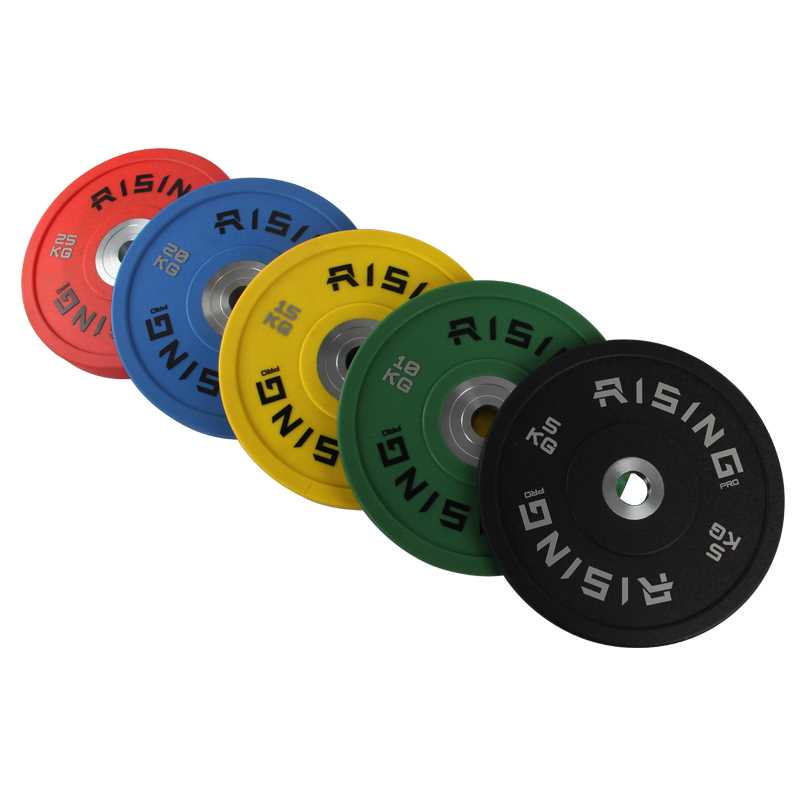
Commercial gym owners and fitness facility managers face a critical decision when selecting equipment that can withstand constant use while delivering maximum return on investment. The choice between rubber and urethane bumper plates significantly impacts both upfront costs and long-term operational expenses, particularly in high-traffic environments where equipment durability directly correlates with profitability. Understanding the material characteristics, performance differences, and cost implications of each option becomes essential for making an informed purchasing decision that aligns with business objectives.
High-traffic fitness clubs require equipment investments that balance initial capital expenditure with ongoing maintenance costs, replacement frequency, and member satisfaction levels. The bumper plate material choice affects noise levels, floor protection, plate longevity, and overall gym atmosphere, all of which contribute to member retention and operational efficiency. Evaluating the total cost of ownership rather than focusing solely on purchase price enables facility managers to optimize their equipment budgets and maximize long-term profitability.
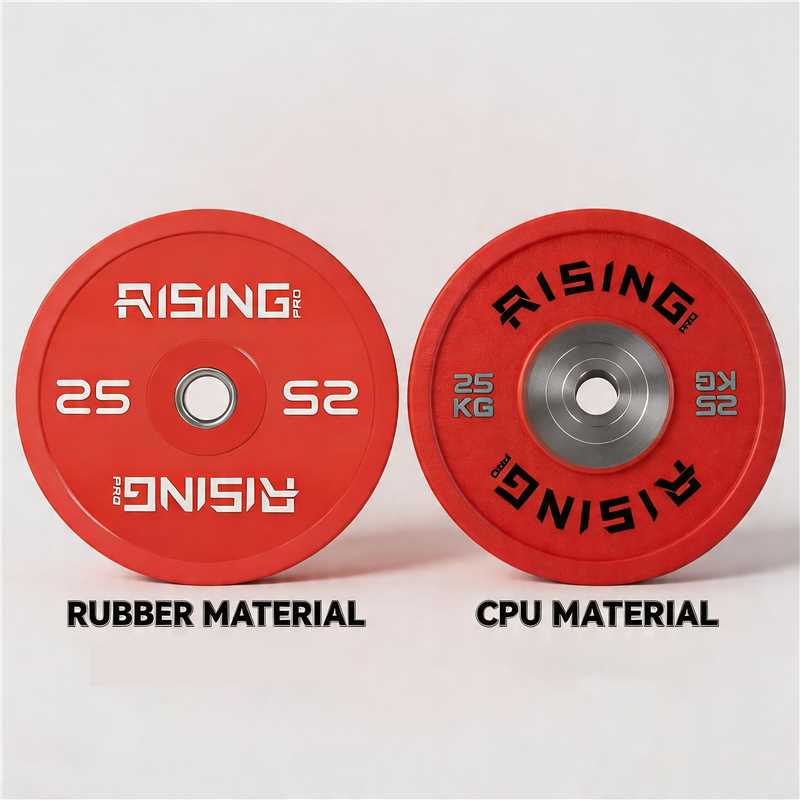
Understanding Rubber Bumper Plate Material Properties
Composition and Manufacturing Process
Rubber bumper plates typically utilize recycled rubber compounds mixed with virgin rubber materials to create a dense, durable construction. The manufacturing process involves compression molding techniques that bind rubber particles with adhesive agents under high pressure and temperature. This bumper plate material offers excellent shock absorption properties due to its cellular structure, which compresses upon impact and returns to its original shape. The rubber composition allows for consistent weight distribution while maintaining flexibility that protects both the plates themselves and surrounding surfaces.
Quality rubber bumper plates incorporate steel inserts or rings to ensure accurate weight specifications and prevent deformation around the center hole. The rubber compound density affects both durability and bounce characteristics, with higher-density formulations providing better longevity at the expense of increased hardness. Manufacturing standards vary significantly among suppliers, making material specifications and quality certifications crucial factors in the selection process for commercial applications.
Performance Characteristics in High-Traffic Environments
Rubber bumper plate material demonstrates superior noise dampening compared to traditional iron plates, reducing sound transmission that can disturb neighboring businesses or residential areas. The material's natural shock absorption properties protect gym floors from impact damage while minimizing vibration transfer throughout the facility structure. In high-volume training environments, rubber plates maintain their structural integrity through repeated drops from overhead positions, making them suitable for Olympic lifting and functional training programs.
Temperature stability represents another advantage of rubber bumper plate material, as these plates perform consistently across varying environmental conditions without becoming brittle or excessively soft. The material's resistance to moisture and humidity prevents degradation in humid climates or facilities with limited climate control. However, rubber plates may develop surface wear patterns over time, particularly in areas where metal clips or collars make contact, potentially affecting the plate's aesthetic appearance and grip characteristics.
Cost Implications for Commercial Facilities
Initial acquisition costs for rubber bumper plates typically fall below premium urethane alternatives while offering substantial savings compared to competition-grade Olympic plates. The lower manufacturing costs associated with rubber compound processing translate into more accessible pricing for facilities operating under tight budget constraints. Bulk purchasing agreements often provide additional cost advantages for large-scale gym installations or franchise operations seeking standardized equipment across multiple locations.
Replacement frequency becomes a critical factor in total cost calculations, as rubber bumper plate material may require replacement sooner than urethane alternatives in extreme high-usage scenarios. However, the moderate replacement costs and widespread availability of rubber plates help offset these considerations for most commercial applications. Insurance and liability considerations may also favor rubber plates due to their superior safety characteristics and reduced risk of injury from dropped weights.
Analyzing Urethane Bumper Plate Material Advantages
Advanced Material Engineering
Urethane bumper plate material represents a significant advancement in weight plate technology, utilizing polyurethane compounds that offer superior mechanical properties compared to traditional rubber formulations. The chemical structure of urethane provides exceptional resistance to abrasion, cutting, and tearing while maintaining elasticity across a wide temperature range. Manufacturing processes for urethane plates involve precise chemical reactions that create a homogeneous material structure without the particle binding issues common in rubber plate production.
The density uniformity of urethane bumper plate material ensures consistent weight accuracy and balanced performance characteristics throughout the plate's service life. Unlike rubber compounds that may experience settling or compression over time, urethane maintains its dimensional stability and weight specifications even after extensive use. This material consistency becomes particularly important for competitive training environments where precise loading calculations affect athlete performance and safety protocols.
Durability and Longevity Performance
Urethane bumper plate material demonstrates exceptional resistance to wear patterns, surface damage, and structural degradation under intensive use conditions. The material's hardness rating provides optimal balance between impact absorption and surface durability, preventing the gouging and chunking that can affect rubber plates over time. High-traffic facilities report significantly longer service lives for urethane plates compared to rubber alternatives, particularly in environments with frequent deadlifting and Olympic lifting activities.
The non-porous surface characteristics of urethane bumper plate material resist moisture absorption, bacteria growth, and odor retention that can affect gym hygiene and member satisfaction. Cleaning and maintenance requirements remain minimal due to the material's chemical resistance and smooth surface finish. UV stability ensures that urethane plates maintain their appearance and performance characteristics even when exposed to natural lighting or outdoor training conditions, expanding their application versatility beyond indoor facilities.
Premium Performance Features
Color stability represents a significant advantage of urethane bumper plate material, as the pigments remain vibrant and consistent throughout the plate's service life without fading or discoloration. This characteristic proves valuable for facilities that utilize color-coded weight systems or maintain specific aesthetic standards for member experience enhancement. The material's ability to accept detailed molding allows for precision weight markings and branding elements that remain legible over extended periods.
Low bounce characteristics of urethane plates provide better control during lifting activities, reducing the risk of weight migration and improving workout safety in crowded training areas. The reduced bounce also minimizes noise generation compared to harder materials while still providing adequate floor protection. Professional and collegiate training facilities often prefer urethane bumper plate material for its consistency and predictable performance characteristics that support serious athletic development programs.
ROI Analysis for High-Traffic Commercial Applications
Initial Investment Comparison
The upfront cost differential between rubber and urethane bumper plate material typically ranges from 40% to 80%, with urethane commanding premium pricing due to its advanced manufacturing processes and superior material properties. For a standard commercial gym requiring 200-300 plates across various weights, this cost difference can represent substantial capital expenditure variations that impact initial facility setup budgets. However, financing options and lease arrangements may help distribute these costs while preserving cash flow for other operational requirements.
Volume purchasing agreements and supplier relationships significantly influence the actual cost differential between bumper plate material options. Large fitness chains and institutional buyers often negotiate favorable pricing that reduces the percentage gap between rubber and urethane plates. The total equipment package approach, where bumper plates represent one component of a comprehensive fitness equipment order, can provide leverage for securing better pricing on premium materials through bundled purchasing arrangements.
Operating Cost Considerations
Maintenance and replacement expenses vary dramatically between rubber and urethane bumper plate material over typical facility lifecycles. Rubber plates may require replacement every 3-5 years in high-traffic environments, while urethane alternatives often maintain functional performance for 7-10 years under similar usage conditions. These replacement cycles directly impact long-term operating budgets and equipment management planning for facility administrators.
Insurance premiums and liability considerations may favor facilities utilizing higher-quality bumper plate material due to improved safety characteristics and reduced injury risks. Worker compensation costs, member injury claims, and equipment-related accidents can significantly impact facility profitability beyond the direct equipment costs. The superior durability and safety features of premium bumper plate material options may qualify facilities for reduced insurance rates or liability coverage discounts that offset initial investment differences.
Revenue Impact and Member Satisfaction
Member retention and satisfaction levels correlate with equipment quality and facility maintenance standards, particularly in competitive fitness markets where alternatives exist nearby. High-quality bumper plate material contributes to positive member experiences through reduced noise levels, consistent performance, and professional appearance that supports premium membership pricing strategies. The ability to maintain higher membership rates and reduce churn directly impacts facility revenue potential over time.
Training program capabilities expand with premium bumper plate material that supports advanced lifting techniques and competition preparation activities. Facilities can offer specialized services and training programs that command premium pricing when equipped with professional-grade equipment that meets competitive standards. The revenue potential from personal training, group fitness, and specialized programs often exceeds the incremental equipment costs associated with higher-quality bumper plate material selections.
Decision Framework for Material Selection
Usage Volume and Intensity Assessment
Facility managers must evaluate actual usage patterns and member behavior to determine appropriate bumper plate material specifications for their specific environment. High-intensity training facilities with frequent Olympic lifting and powerlifting activities require more durable materials than general fitness clubs focusing on cardio and light resistance training. Usage tracking data and equipment lifecycle records from similar facilities provide valuable insights for predicting performance requirements and replacement schedules.
Peak usage periods and equipment rotation strategies affect material selection decisions, as facilities with concentrated usage during limited hours may experience different wear patterns than those with consistent traffic throughout operating hours. The ratio of experienced lifters to novice members also influences bumper plate material requirements, as proper handling techniques and equipment respect vary significantly among user populations. Staff supervision levels and member education programs can extend equipment lifecycles regardless of material selection.
Financial Planning and Budget Optimization
Total cost of ownership calculations must include acquisition costs, replacement expenses, maintenance requirements, and opportunity costs associated with equipment downtime or member dissatisfaction. Spreadsheet models that project costs over 5-10 year periods help facility managers compare different bumper plate material options using realistic assumptions about usage rates, replacement cycles, and inflation factors affecting future equipment costs.
Cash flow timing considerations may favor lower initial investments in rubber bumper plate material for new facilities or those experiencing temporary financial constraints. However, facilities with stable revenue streams and long-term operational plans often benefit from investing in premium materials that reduce ongoing operational complexities and replacement frequency. Equipment financing options and depreciation schedules should align with expected service lives to optimize tax advantages and cash flow management.
Market Positioning and Competitive Strategy
Premium fitness facilities competing for affluent membership demographics may require high-quality bumper plate material to maintain brand positioning and member expectations. The equipment quality often serves as a visible indicator of facility investment and commitment to member experience, influencing membership sales and retention rates. Competitive analysis of local facilities helps identify minimum equipment standards necessary to remain viable in specific markets.
Franchise operations and multi-location businesses benefit from standardized bumper plate material selections that simplify procurement, maintenance, and replacement processes across their entire network. Brand consistency and operational efficiency considerations may outweigh minor cost variations between material options when viewed from an enterprise perspective. Supplier relationships and service capabilities become increasingly important for organizations managing multiple locations with varying usage patterns and replacement schedules.
FAQ
How do rubber and urethane bumper plates compare in terms of noise levels for commercial gyms?
Rubber bumper plate material provides excellent noise dampening compared to iron plates, but urethane plates offer even better sound control due to their advanced material properties. Urethane plates produce less impact noise and virtually no bounce-related sounds, making them ideal for facilities with noise restrictions or multi-tenant buildings. The difference becomes most noticeable during heavy deadlifting sessions and Olympic lifting activities where plates frequently contact the ground.
What maintenance requirements should gym owners expect for different bumper plate materials?
Rubber bumper plate material requires regular cleaning to prevent odor retention and surface buildup, particularly in humid environments. Urethane plates need minimal maintenance due to their non-porous surface and chemical resistance, requiring only basic cleaning with standard gym disinfectants. Both materials benefit from proper storage and handling practices, but urethane plates maintain their appearance and performance characteristics with significantly less intervention over time.
How does climate affect the performance of rubber versus urethane bumper plates?
Temperature extremes affect rubber bumper plate material more than urethane alternatives, with rubber becoming harder in cold conditions and softer in extreme heat. Urethane maintains consistent performance characteristics across a wider temperature range, making it suitable for facilities with variable climate control or outdoor training areas. Humidity impacts rubber plates through potential moisture absorption, while urethane's closed-cell structure resists environmental moisture effects.
What weight accuracy differences exist between rubber and urethane bumper plate materials?
Both rubber and urethane bumper plate material can achieve excellent weight accuracy when manufactured to proper specifications, but urethane maintains its weight consistency longer due to reduced compression and wear over time. Rubber plates may experience slight weight variations as the material compresses or loses small particles through use, particularly at contact points with clips and collars. High-quality manufacturing standards prove more important than material type for initial weight accuracy in commercial applications.
Table of Contents
- Understanding Rubber Bumper Plate Material Properties
- Analyzing Urethane Bumper Plate Material Advantages
- ROI Analysis for High-Traffic Commercial Applications
- Decision Framework for Material Selection
-
FAQ
- How do rubber and urethane bumper plates compare in terms of noise levels for commercial gyms?
- What maintenance requirements should gym owners expect for different bumper plate materials?
- How does climate affect the performance of rubber versus urethane bumper plates?
- What weight accuracy differences exist between rubber and urethane bumper plate materials?