 EN
EN


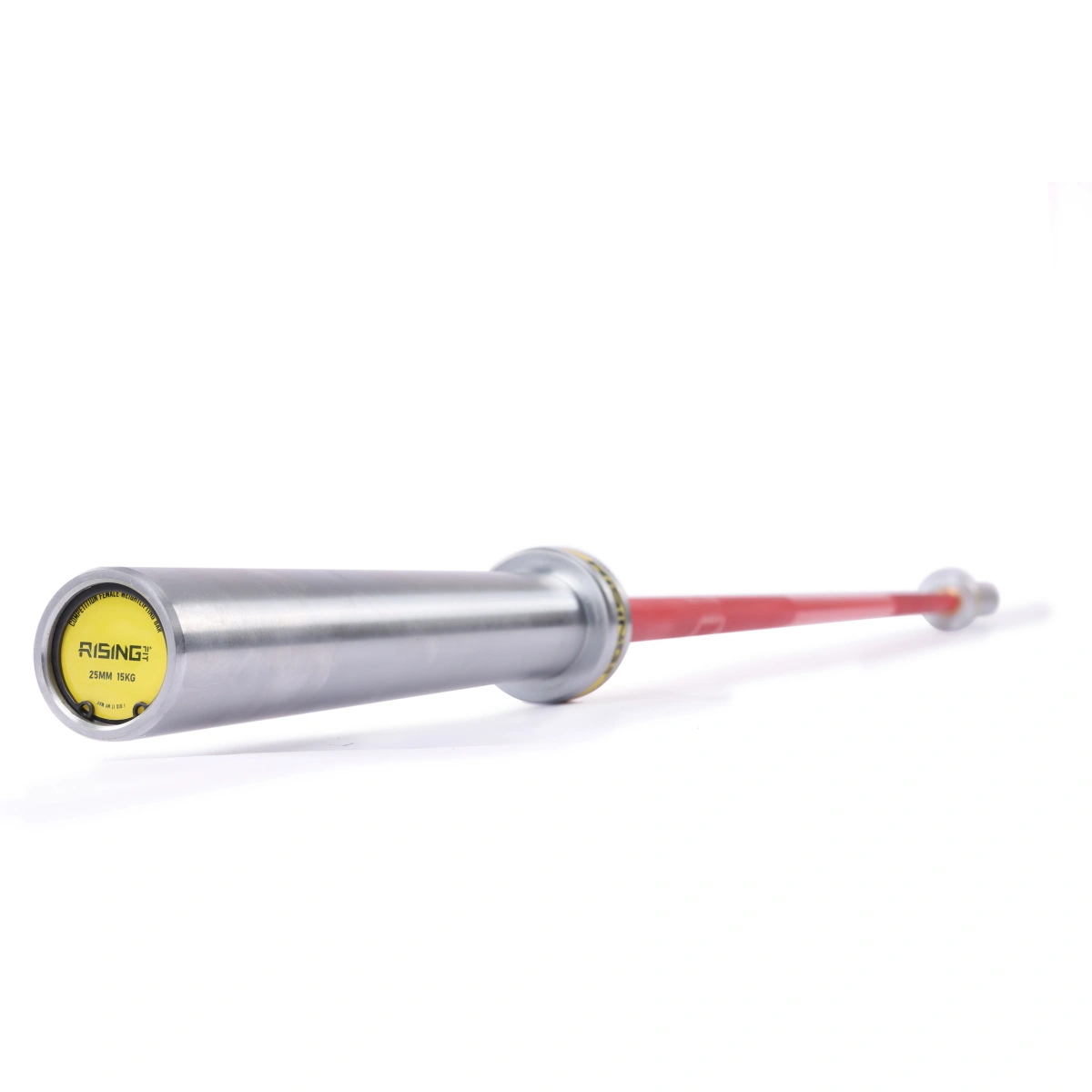
When building a comprehensive home gym or commercial fitness facility, choosing between a straight barbell and an EZ bar represents one of the most fundamental equipment decisions. The straight barbell stands as the cornerstone of strength training, offering unparalleled versatility for compound movements and progressive overload protocols. While both tools serve distinct purposes in resistance training, understanding their unique characteristics helps athletes and fitness enthusiasts make informed decisions based on specific training goals and biomechanical considerations.
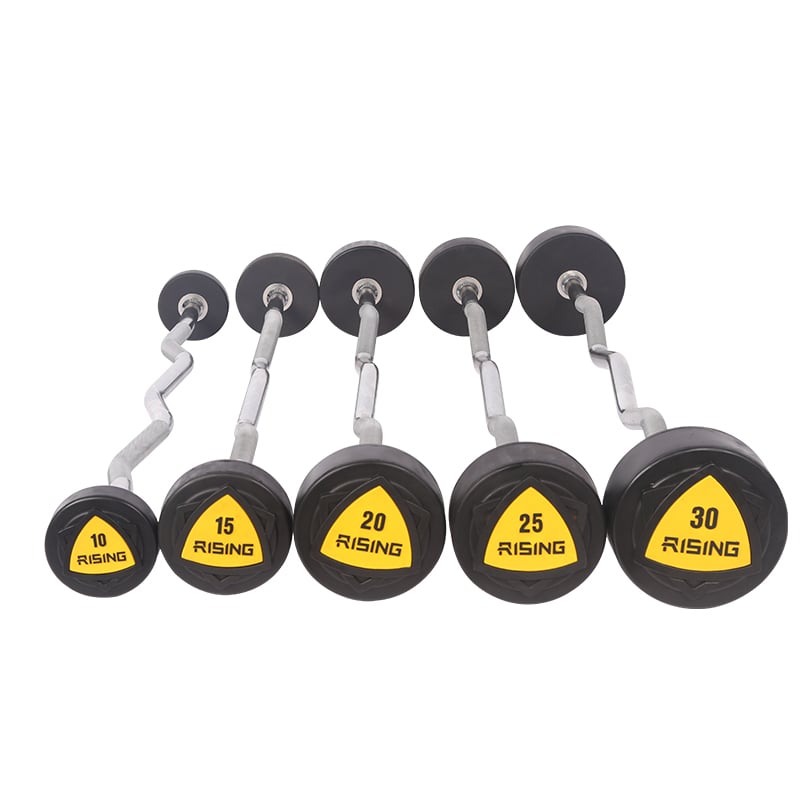
Design and Construction Differences
Physical Structure and Dimensions
The straight barbell features a completely linear design with uniform diameter throughout its length, typically measuring 7 feet long for Olympic standards. This consistent geometry allows for symmetrical loading and balanced weight distribution across both ends. The knurling pattern remains constant across the grip areas, providing reliable traction for various hand positions during different exercises.
In contrast, the EZ bar incorporates curved sections and angled grips that create a zigzag appearance. These curves are strategically positioned to accommodate natural wrist alignment during pressing and curling movements. The EZ bar typically measures shorter than a standard straight barbell, usually around 4 to 5 feet in length, making it more compact for smaller training spaces.
Weight Specifications and Load Capacity
Standard Olympic straight barbells weigh 45 pounds (20 kilograms) and can accommodate substantial loading capacity, often exceeding 1,000 pounds when properly rated. The straight barbell construction emphasizes maximum structural integrity for heavy compound lifts like squats, deadlifts, and bench presses. The sleeve rotation mechanisms in quality straight barbells ensure smooth operation under extreme loads.
EZ bars typically weigh between 15 to 25 pounds, reflecting their more specialized application for isolation exercises and moderate loading. While still capable of handling significant weight, EZ bars are generally not designed for the extreme loads that straight barbells can accommodate. The curved design may introduce slight structural considerations that affect maximum load capacity compared to the linear strength of a straight barbell.
Exercise Applications and Movement Patterns
Compound Movement Advantages
The straight barbell excels in compound movements that form the foundation of strength training programs. Exercises like squats, deadlifts, rows, and overhead presses benefit from the straight barbell's linear design, which allows for optimal force transfer and biomechanical alignment. The uniform grip surface enables consistent hand positioning across different movement patterns, promoting muscle memory and technique refinement.
Power movements such as cleans, snatches, and jerks specifically require a straight barbell configuration to maintain proper bar path and momentum transfer. The straight design ensures that the bar travels in the most efficient trajectory during these explosive exercises, maximizing power output and minimizing energy waste through lateral movement.
Isolation Exercise Specialization
EZ bars demonstrate superior performance in isolation exercises targeting the arms and shoulders, particularly bicep curls and tricep extensions. The curved grip positions reduce wrist strain by allowing more natural joint alignment during these movements. This ergonomic advantage becomes particularly significant during high-volume training sessions or when working with individuals who experience wrist discomfort with straight bar exercises.
The angled grips of EZ bars also facilitate varied muscle activation patterns within the same exercise. Different grip positions along the curves can emphasize different portions of the targeted muscles, providing training variety without requiring completely different exercises. This versatility makes EZ bars valuable tools for bodybuilding and physique development programs focused on muscle isolation and definition.
Biomechanical Considerations and Joint Health
Wrist and Forearm Alignment
The straight barbell requires the wrists to maintain a neutral or slightly extended position during most exercises, which some individuals find challenging or uncomfortable. This positioning can place additional stress on the wrist joints, particularly during high-repetition sets or when lifting near maximum capacity. However, this challenge also strengthens the stabilizing muscles of the forearms and wrists over time.
EZ bars address wrist comfort concerns by allowing the hands to assume more natural positions that follow the anatomical structure of the forearm bones. This alignment reduces the rotational stress on the wrist joints and can help prevent overuse injuries in susceptible individuals. The improved comfort often allows for longer training sessions and higher training volumes in arm-specific exercises.
Muscle Activation Patterns
Research indicates that straight barbell exercises often produce greater overall muscle activation due to the increased stabilization requirements. The linear design challenges the body to maintain balance and control throughout the entire range of motion, recruiting additional stabilizing muscles that contribute to functional strength development. This increased muscle recruitment makes the straight barbell particularly effective for developing core strength and overall stability.
EZ bar exercises may show slightly different activation patterns, particularly in the bicep and tricep muscles. The varied grip angles can shift emphasis between different muscle heads and provide unique training stimuli. While the overall activation may be similar to straight barbell exercises, the distribution of stress across muscle fibers can vary, offering complementary benefits when both tools are incorporated into training programs.
Training Program Integration Strategies
Beginner Progression Protocols
New trainees often benefit from starting with a straight barbell to develop fundamental movement patterns and build base strength. The simplicity of the straight barbell design eliminates variables that might confuse learning processes, allowing beginners to focus entirely on proper form and technique. Starting weights can be easily adjusted using standard plates, providing clear progression pathways as strength develops.
EZ bars can serve as valuable transitional tools for beginners who experience wrist discomfort with straight barbell exercises. Introducing EZ bar variations after establishing basic movement competency allows new trainees to continue progressing while addressing comfort issues. This approach prevents early training interruptions due to joint discomfort while maintaining momentum in strength development programs.
Advanced Training Applications
Experienced athletes typically incorporate both straight barbells and EZ bars strategically throughout their training cycles. The straight barbell remains the primary tool for heavy compound movements and strength testing, while EZ bars provide specialized applications for accessory work and injury prevention protocols. This combined approach maximizes training variety and addresses specific weaknesses or imbalances.
Competition powerlifters and Olympic weightlifters rely heavily on straight barbell training to match competition equipment exactly. However, even these athletes often use EZ bars during rehabilitation phases or for targeted accessory work that supports their main lifts. The key lies in understanding when each tool provides the greatest benefit within the overall training context.
Equipment Selection and Investment Considerations
Space and Storage Requirements
The straight barbell requires significant storage space due to its 7-foot length, making it challenging for smaller home gyms or apartment fitness setups. Proper storage solutions such as wall-mounted racks or dedicated barbell holders become necessary to maintain organization and safety. The investment in storage infrastructure should be considered alongside the initial equipment cost when planning facility layouts.
EZ bars offer more compact storage options due to their shorter length and lighter weight. These characteristics make them suitable for smaller spaces and more flexible storage arrangements. Multiple EZ bars can often be stored in the same space required for a single straight barbell, allowing for greater exercise variety in space-constrained environments.
Budget and Value Analysis
Quality straight barbells represent significant investments, particularly Olympic-standard bars designed for heavy loading and frequent use. However, this investment often provides superior long-term value due to the versatility and durability of well-constructed straight barbells. A single high-quality straight barbell can support virtually unlimited exercise variations and accommodate years of progressive training.
EZ bars typically cost less than premium straight barbells, making them accessible options for budget-conscious fitness enthusiasts. While their exercise applications are more limited, EZ bars provide excellent value for individuals focused primarily on arm training or those seeking to complement existing straight barbell equipment. The lower initial cost makes EZ bars attractive additions to existing gym setups.
FAQ
Can I build the same muscle mass with an EZ bar as with a straight barbell
While EZ bars can certainly contribute to muscle growth, straight barbells typically offer superior muscle-building potential due to their ability to handle heavier loads and target more muscle groups simultaneously. The compound movements possible with straight barbells create greater overall muscle stimulation and hormonal responses that support muscle growth. However, EZ bars excel in isolation work that can complement straight barbell training for complete muscle development.
Which equipment is better for someone with wrist problems
Individuals with existing wrist issues generally find EZ bars more comfortable due to their curved design that accommodates natural wrist positioning. The angled grips reduce stress on the wrist joints during curling and pressing movements. However, consulting with healthcare professionals and gradually building wrist strength through proper straight barbell technique may address underlying issues more effectively in the long term.
Should I buy a straight barbell or EZ bar first for my home gym
For most home gym setups, a straight barbell represents the better initial investment due to its versatility and ability to support comprehensive training programs. A quality straight barbell enables full-body workouts and progressive overload across all major movement patterns. EZ bars can be valuable additions later, but the straight barbell provides the foundation for effective strength training and muscle development.
Do professional athletes prefer straight barbells or EZ bars
Professional strength athletes, powerlifters, and Olympic weightlifters predominantly use straight barbells because these match competition equipment and provide the greatest strength development potential. However, many professional athletes incorporate EZ bars for specific accessory work, rehabilitation exercises, and high-volume training sessions where wrist comfort becomes important. The choice depends on training phase, specific goals, and individual biomechanical considerations rather than a universal preference.