 EN
EN


Strength Training Equipment Choices for Different Training Needs
Strength training environments vary widely, from home gyms with limited space to commercial facilities handling high daily traffic. Dumbbells remain one of the most fundamental tools in any setup, but the choice between an Adjustable Dumbbell and a Fixed Dumbbell often raises questions for buyers, trainers, and gym owners. Understanding how each option performs in real training scenarios helps users make informed decisions that align with space, budget, safety, and workout efficiency.
Understanding the Core Differences Between Dumbbell Types
Structural Design and Composition
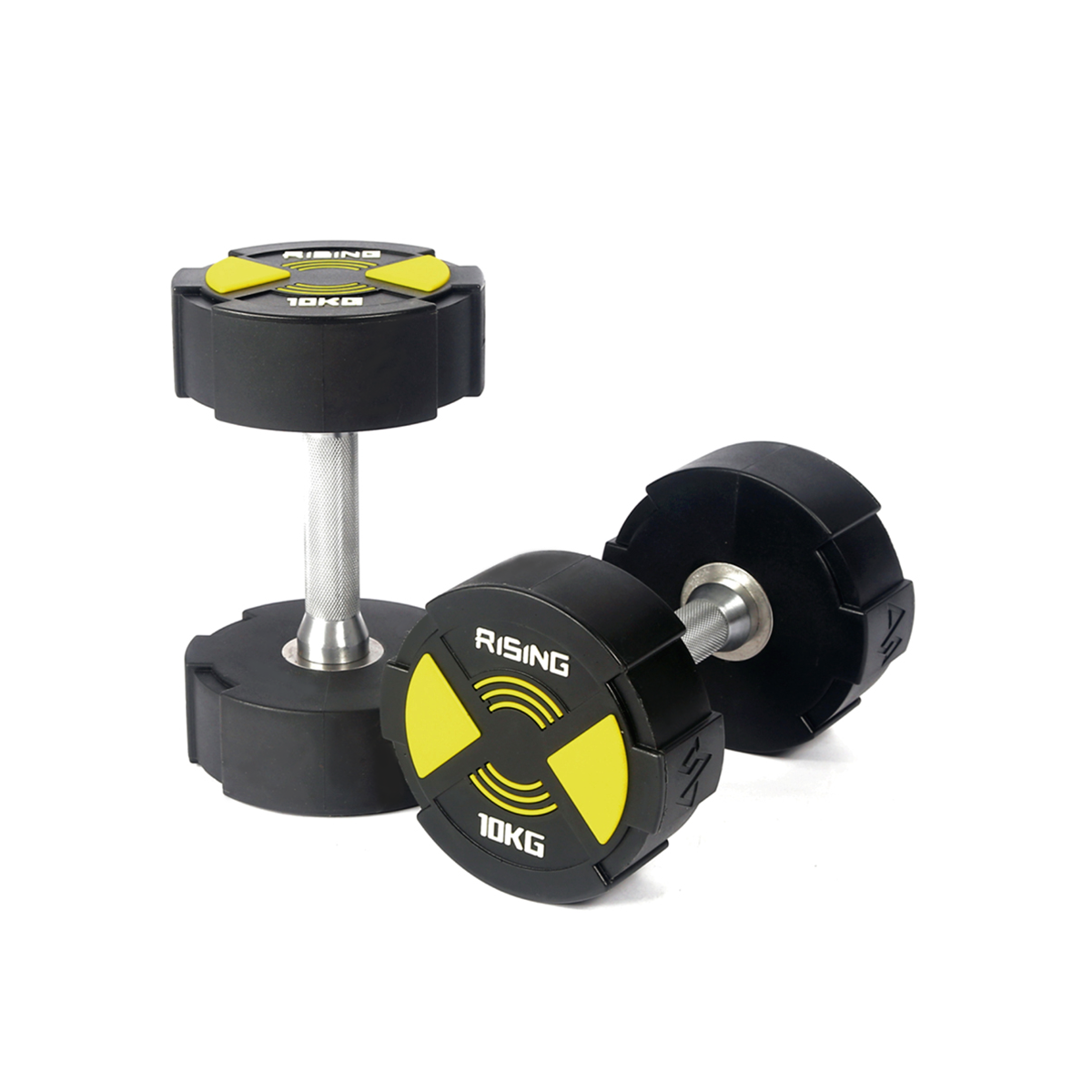
An Adjustable Dumbbell is built around a handle and removable weight plates, allowing users to change resistance by adding or removing plates. This design emphasizes flexibility and compact storage. In contrast, a Fixed Dumbbell is a single-piece unit with a set weight, typically coated in rubber or urethane for durability and safety.
These structural differences affect how the equipment is used daily. Adjustable Dumbbell systems require assembly and disassembly during workouts, while Fixed Dumbbell options are always ready for immediate use. The construction approach directly influences convenience, training flow, and long-term maintenance.
How Design Influences Training Experience
Design impacts not only usability but also training rhythm. With an Adjustable Dumbbell, users may pause between sets to change weights, which can interrupt workout intensity. A Fixed Dumbbell allows seamless transitions between exercises, especially in circuits or supersets.
The tactile feel also differs. Fixed Dumbbell units often provide consistent balance and grip, while Adjustable Dumbbell setups can vary slightly depending on plate alignment and locking mechanisms. These nuances matter in exercises requiring stability and control.
Space Efficiency and Storage Considerations
Adjustable Dumbbell Advantages in Compact Spaces
Space efficiency is one of the strongest advantages of an Adjustable Dumbbell. A single set can replace multiple Fixed Dumbbell pairs, making it ideal for home gyms, apartments, or small studios. Users can achieve a wide weight range without dedicating an entire wall to storage.
Storage simplicity also appeals to users who need flexibility. Plates can be stacked neatly, and the Adjustable Dumbbell handle occupies minimal room. This setup supports strength training in environments where every square meter counts.
Fixed Dumbbell Storage Requirements
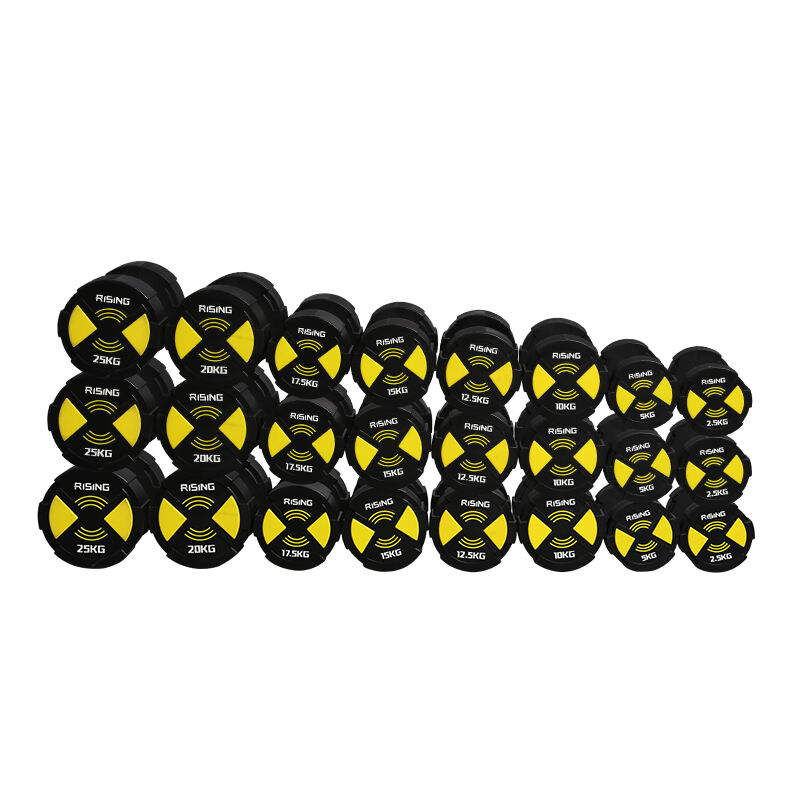
A Fixed Dumbbell setup requires more dedicated space, particularly when offering a full weight range. Racks, floor planning, and clear walkways must be considered. While this demands more space, it also creates a visually organized and professional training environment.
In commercial gyms, Fixed Dumbbell storage often enhances user experience. Clear weight labeling and immediate accessibility support efficient workouts and reduce congestion during peak hours.
Training Efficiency and Workout Flow
Speed and Convenience in Daily Training
Training efficiency is a key factor when comparing an Adjustable Dumbbell with a Fixed Dumbbell. Fixed Dumbbell systems allow users to move quickly between weights, maintaining intensity and focus. This is especially beneficial for drop sets, supersets, and group training sessions.
An Adjustable Dumbbell requires manual weight changes, which can slow down training. However, for users following structured programs with fewer weight transitions, this may not be a significant drawback.
Supporting Different Training Styles
Different training styles favor different equipment. Bodybuilding routines with frequent weight changes often benefit from Fixed Dumbbell availability. Strength-focused or progressive overload programs may align well with Adjustable Dumbbell use, where incremental weight adjustments are common.
Understanding training style helps determine which option delivers better results over time. Neither solution is universally superior; effectiveness depends on how the equipment is used.
Durability and Long-Term Maintenance
Wear and Tear in Adjustable Dumbbell Systems
An Adjustable Dumbbell includes multiple components such as plates, collars, and locking systems. Over time, these parts may experience wear, especially if frequently adjusted. Proper handling and regular inspection are important to maintain safety and performance.
Maintenance requirements are higher compared to Fixed Dumbbell units. Users must ensure that plates are securely fastened before each set to avoid imbalance or accidents.
Fixed Dumbbell Longevity in High-Use Environments
Fixed Dumbbell products are known for durability. Their one-piece construction reduces the risk of mechanical failure. In high-traffic gyms, this reliability is a major advantage.
Rubber-coated or urethane Fixed Dumbbell options also protect flooring and reduce noise, contributing to a safer and more comfortable training environment. Long-term maintenance is generally limited to surface cleaning and rack upkeep.
Safety and User Confidence
Stability and Balance During Lifts
Stability is critical during strength training. Fixed Dumbbell units provide consistent balance, which is particularly important for beginners or during complex movements. Users can focus on form rather than equipment stability.
An Adjustable Dumbbell can be stable when properly assembled, but uneven plate alignment or loose collars may affect balance. Experienced users often adapt easily, while beginners may require additional guidance.
Risk Management in Shared Training Spaces
In shared spaces, safety considerations extend beyond individual users. Fixed Dumbbell setups reduce the risk of loose parts on the floor. Adjustable Dumbbell plates, if left unattended, can create clutter and potential hazards.
Clear rules and proper storage help mitigate these risks, but equipment choice plays a significant role in overall gym safety management.
Cost and Value Considerations
Initial Investment and Budget Planning
Cost is often a deciding factor. An Adjustable Dumbbell typically offers a lower initial investment compared to purchasing a full set of Fixed Dumbbell pairs. This makes it attractive for individuals starting a home gym.
Fixed Dumbbell systems require higher upfront costs, especially when covering a broad weight range. However, they deliver immediate usability and long-term durability that may justify the investment in commercial settings.
Long-Term Value and Scalability
Long-term value depends on usage patterns. An Adjustable Dumbbell can scale gradually as users add plates, spreading costs over time. This flexibility suits evolving training needs.
Fixed Dumbbell systems scale differently. Expanding weight ranges requires purchasing additional units and storage, but the result is a more streamlined and professional training environment.
User Experience in Different Settings
Home Gym Scenarios
In home gyms, space, noise, and versatility are major concerns. An Adjustable Dumbbell addresses these priorities effectively. Users can perform a wide range of exercises without overcrowding their living space.
However, users who prioritize convenience and rapid transitions may still prefer a limited selection of Fixed Dumbbell weights for daily use.
Commercial and Institutional Gyms
Commercial gyms prioritize durability, safety, and member flow. Fixed Dumbbell systems align well with these goals. Members of varying experience levels can train confidently without adjusting equipment.
An Adjustable Dumbbell may still have a role in personal training studios or rehabilitation settings where individualized programming is common.
Aesthetic and Professional Appeal
Visual Impact of Fixed Dumbbell Racks
Fixed Dumbbell racks contribute to a polished, professional appearance. Clear organization and consistent design enhance the gym’s visual identity and member perception.
A well-arranged Fixed Dumbbell area often becomes a focal point of the gym, reinforcing its commitment to quality and strength training.
Practical Minimalism of Adjustable Dumbbells
Adjustable Dumbbell setups offer a minimalist aesthetic. Their compact nature suits modern home gyms and multipurpose spaces. The emphasis is on function rather than display.
This simplicity appeals to users who value efficiency and adaptability over visual impact.
Choosing Based on Training Goals
Strength Progression and Load Management
For progressive strength training, Adjustable Dumbbell systems allow fine-tuned load adjustments. This supports gradual increases and precise programming.
Fixed Dumbbell options progress in larger increments, which may suit advanced lifters but limit micro-loading opportunities.
Group Training and High Turnover
Group classes and high-turnover environments benefit from Fixed Dumbbell availability. Quick access and easy identification of weights keep sessions running smoothly.
Adjustable Dumbbell systems are better suited to individual or small-group training where time pressure is lower.
Combining Both Options Strategically
Hybrid Training Environments
Many gyms adopt a hybrid approach, combining Adjustable Dumbbell systems with Fixed Dumbbell racks. This offers flexibility while maintaining efficiency.
Users can choose equipment based on exercise type, training intensity, and personal preference.
Maximizing Equipment Utilization
A strategic mix improves equipment utilization rates. Adjustable Dumbbell systems handle specialized or overflow needs, while Fixed Dumbbell sets support core training activities.
This balanced approach supports diverse user profiles and training programs.
FAQ
Adjustable Dumbbell Use for Beginners
An Adjustable Dumbbell can be suitable for beginners if proper instruction is provided. Secure assembly and gradual progression help new users build confidence and strength safely.
Fixed Dumbbell Suitability for Home Gyms
Fixed Dumbbell units can work in home gyms when space allows. A small selection of commonly used weights may offer convenience without excessive space requirements.
Maintenance Differences Between Dumbbell Types
Adjustable Dumbbell systems require more frequent checks of collars and plates. Fixed Dumbbell units generally need minimal maintenance beyond cleaning and rack organization.
Table of Contents
- Strength Training Equipment Choices for Different Training Needs
- Understanding the Core Differences Between Dumbbell Types
- Space Efficiency and Storage Considerations
- Training Efficiency and Workout Flow
- Durability and Long-Term Maintenance
- Safety and User Confidence
- Cost and Value Considerations
- User Experience in Different Settings
- Aesthetic and Professional Appeal
- Choosing Based on Training Goals
- Combining Both Options Strategically
- FAQ