 EN
EN


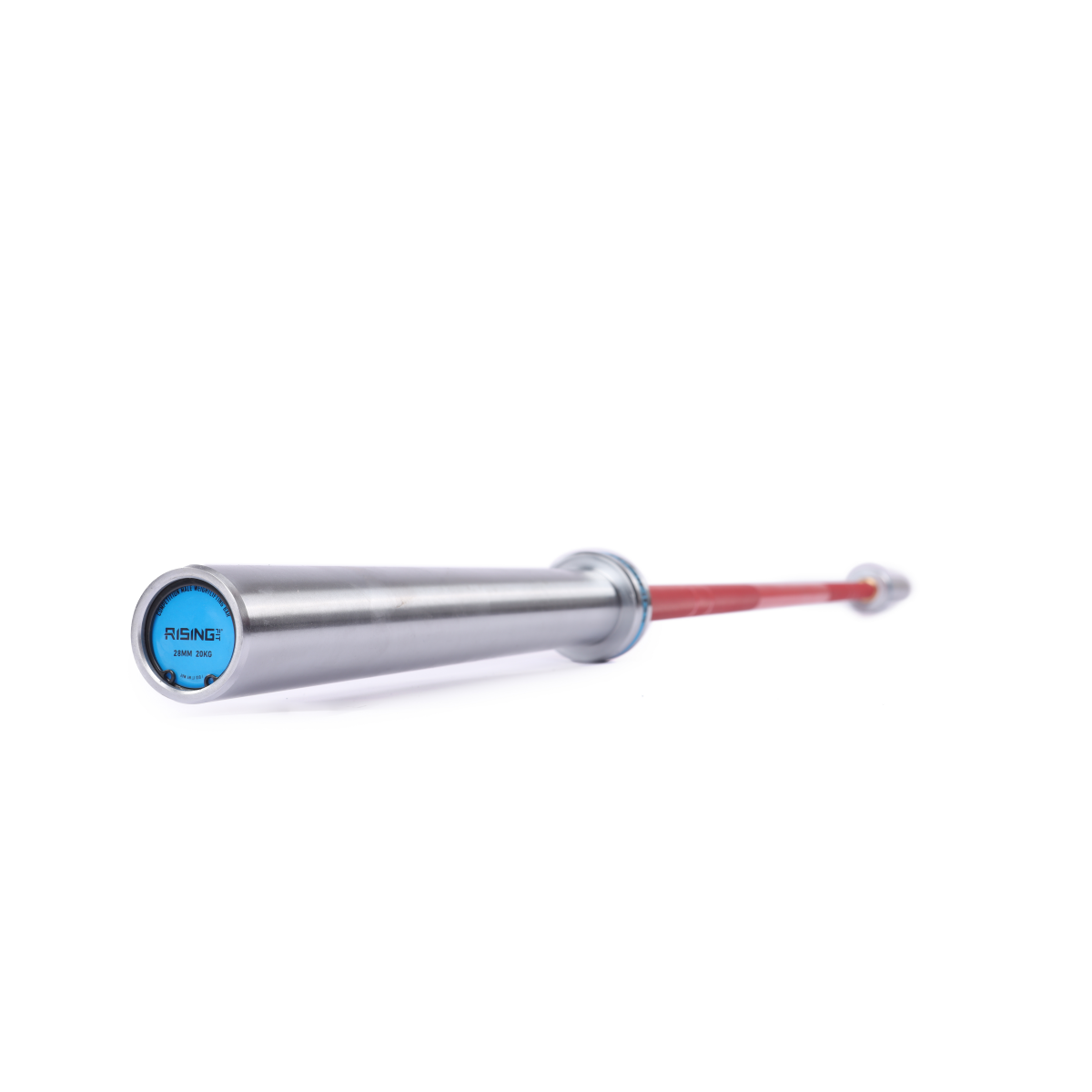
The straight barbell stands as the cornerstone of strength training equipment, serving as an essential tool for athletes, powerlifters, and fitness enthusiasts worldwide. Whether you're building a home gym or upgrading commercial facility equipment, understanding the nuances of straight barbell selection can dramatically impact your training effectiveness and long-term investment value. From Olympic weightlifting competitions to casual fitness routines, the right straight barbell provides the foundation for countless exercises that build strength, power, and muscle mass across all major movement patterns.
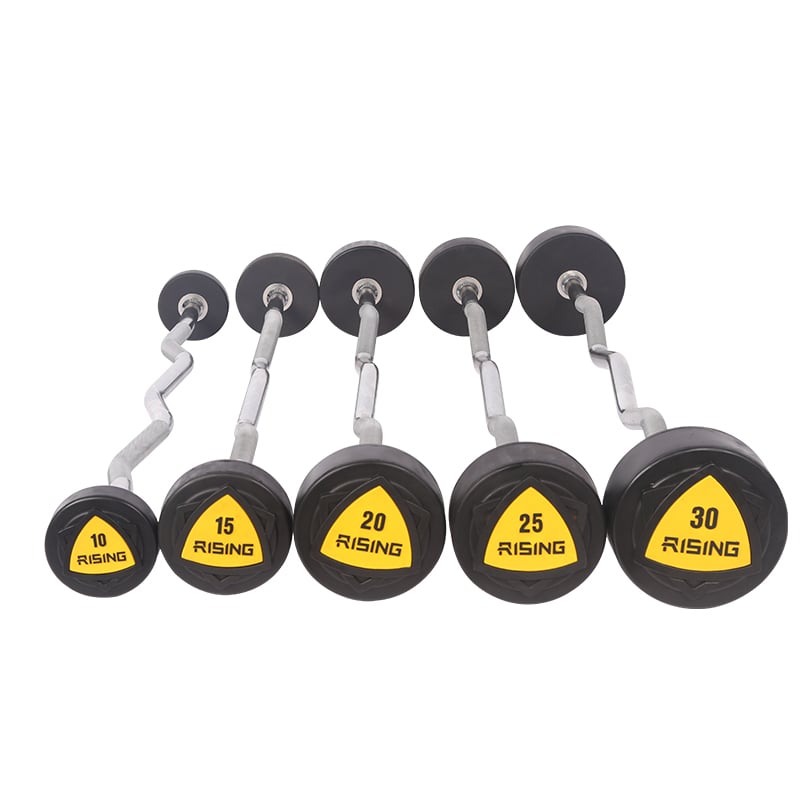
Understanding Olympic Straight Barbell Specifications
Weight Standards and Dimensions
Olympic straight barbell specifications follow international standards established by the International Weightlifting Federation, ensuring consistency across training environments and competitive platforms. A regulation men's straight barbell weighs exactly 20 kilograms (44 pounds) with a length of 2.2 meters (7.2 feet), while women's versions weigh 15 kilograms (33 pounds) with slightly reduced dimensions. The shaft diameter measures 28-29mm for men's bars and 25mm for women's bars, providing optimal grip characteristics for different hand sizes and lifting styles.
The collar diameter maintains a standard 50mm measurement to accommodate Olympic weight plates, distinguishing these bars from standard 1-inch diameter equipment found in basic home gyms. Distance between collar shoulders spans 1.31 meters, creating the loadable sleeve length that determines maximum weight capacity. These precise measurements ensure compatibility with Olympic plates and consistent performance across different manufacturers and training facilities worldwide.
Load Capacity and Tensile Strength
Professional-grade straight barbell construction typically supports static loads exceeding 680 kilograms (1,500 pounds), though working loads should remain well below maximum capacity for safety and equipment longevity. Tensile strength ratings vary significantly between entry-level and competition-grade bars, with premium models featuring 190,000-220,000 PSI ratings that resist permanent deformation under extreme loads. The straight barbell design distributes weight evenly across the shaft, minimizing stress concentration points that could lead to failure during heavy lifting sessions.
Weight capacity considerations extend beyond raw numbers to include dynamic loading factors, repeated stress cycles, and safety margins required for different training applications. Competition-grade straight barbell models undergo rigorous testing protocols to verify performance under Olympic lifting conditions, where rapid acceleration and deceleration create forces significantly exceeding static plate weight. Understanding these capacity ratings helps users select appropriate equipment for their training intensity and long-term usage requirements.
Material Construction and Manufacturing Quality
Steel Types and Alloy Composition
High-quality straight barbell manufacturing utilizes specialized steel alloys that balance strength, flexibility, and durability under demanding training conditions. Spring steel composition provides the optimal combination of tensile strength and elastic properties, allowing the bar to flex appropriately during Olympic lifts while returning to its original shape. Carbon content typically ranges from 0.4% to 0.6%, creating the ideal hardness profile that resists permanent deformation while maintaining workability during manufacturing processes.
Premium straight barbell models often incorporate advanced metallurgy techniques including heat treatment, stress relief processes, and precision machining to achieve superior performance characteristics. The steel selection process considers factors such as fatigue resistance, corrosion susceptibility, and machining requirements that affect both manufacturing costs and end-user performance. Different steel grades offer varying price points while maintaining safety standards, allowing consumers to select equipment that matches their budget and performance expectations.
Surface Treatments and Protective Coatings
Modern straight barbell manufacturing employs various surface treatment options to enhance grip, prevent corrosion, and improve aesthetic appeal throughout extended use periods. Chrome plating remains popular for its hardness and corrosion resistance, though it can become slippery when wet and may chip under heavy use. Zinc plating offers excellent corrosion protection at lower cost points, while black oxide finishes provide superior grip characteristics preferred by many serious lifters.
Specialized coatings like cerakote and powder coating deliver enhanced durability and grip performance, particularly in high-humidity environments where traditional finishes may deteriorate. Raw steel options appeal to purists who prefer natural grip feel, though they require more maintenance to prevent rust formation. The choice of surface treatment significantly impacts the straight barbell's longevity, maintenance requirements, and user experience across different training environments and climate conditions.
Knurling Patterns and Grip Characteristics
Knurling Depth and Aggressiveness
The knurling pattern on a straight barbell directly influences grip security, comfort, and lifting performance across different exercises and training intensities. Moderate knurling depth provides excellent grip without causing excessive hand damage during high-volume training sessions, while aggressive patterns suit competitive lifters who prioritize maximum grip security. The knurling process involves cutting diamond-shaped patterns into the steel surface, creating thousands of small peaks that increase friction between hands and bar.
Different knurling styles serve specific purposes within strength training applications, with powerlifting bars featuring aggressive patterns for maximum grip during heavy deadlifts and squats. Olympic lifting straight barbell models typically employ moderate knurling that balances grip security with hand comfort during explosive movements. The knurling consistency across the grip zones affects lifting technique and hand positioning, making this specification crucial for serious training applications.
Grip Zone Configuration
Strategic knurling placement creates designated grip zones that accommodate different lifting styles and hand positions required for various exercises. Most straight barbell designs feature dual knurling zones separated by a smooth center section, allowing for different grip widths while preventing interference with neck placement during back squats. The inner knurling zone typically measures 32-36 centimeters from the center, while outer zones extend toward the collar sleeves.
Ring markings provide visual references for consistent hand placement, with Olympic bars featuring rings positioned 81 centimeters apart to match competition standards. These markers help lifters maintain symmetric grip placement and consistent technique across training sessions. Some straight barbell models include additional reference marks for different lifting disciplines, enhancing their versatility for multi-purpose training environments.
Sleeve Design and Rotation Mechanics
Bearing Systems and Bushing Options
The rotating sleeve mechanism represents one of the most critical components affecting straight barbell performance, particularly during Olympic lifting movements that require rapid bar rotation. Premium models incorporate needle bearings or ball bearings within the sleeve assembly, providing smooth, consistent rotation that reduces stress on wrists and forearms during explosive lifts. Bearing-equipped bars maintain their rotation characteristics over extended use periods, justifying higher initial investment costs for serious training applications.
Bushing-based rotation systems offer more affordable alternatives that still provide adequate performance for most training scenarios. Bronze or composite bushings create reasonable rotation while requiring less manufacturing precision than bearing systems. The choice between bearings and bushings depends on training focus, budget constraints, and expected usage volume. Competition-level straight barbell models universally employ bearing systems to meet performance standards required for Olympic lifting disciplines.
Sleeve Length and Loading Capacity
Sleeve design directly impacts the maximum weight loading capacity and plate organization possibilities on any straight barbell configuration. Standard Olympic sleeves measure approximately 16 inches in length, providing sufficient space for multiple 45-pound plates plus smaller denominations and collars. Sleeve diameter consistency ensures proper plate fit and prevents binding during loading and unloading procedures.
The sleeve-to-shaft transition zone requires precision engineering to prevent stress concentration that could lead to failure under heavy loads. Welded construction in this area must maintain strength while preserving rotation functionality throughout the equipment's service life. Premium straight barbell models often feature machined transitions that eliminate potential weak points created by welding processes, enhancing overall durability and performance reliability.
Training Applications and Exercise Versatility
Primary Compound Movements
The straight barbell serves as the primary implement for fundamental compound exercises that form the foundation of strength training programs across all skill levels. Squats, deadlifts, bench presses, and overhead presses represent the core movements that develop functional strength patterns applicable to athletic performance and daily activities. These exercises engage multiple muscle groups simultaneously, creating efficient training stimulus that maximizes time investment and promotes balanced muscular development.
Each primary movement places different demands on straight barbell specifications, influencing selection criteria for specific training goals. Powerlifting applications prioritize maximum load capacity and aggressive knurling for grip security, while Olympic lifting emphasizes rotation quality and appropriate whip characteristics. Understanding these movement-specific requirements helps users select equipment that optimizes performance for their training focus and competitive aspirations.
Accessory Exercise Applications
Beyond primary compound movements, the straight barbell enables countless accessory exercises that target specific muscle groups and movement patterns. Rows, curls, upright rows, and various pressing variations expand training possibilities within a single piece of equipment. The straight design accommodates both bilateral and unilateral loading patterns, allowing for creative programming approaches and injury rehabilitation protocols.
Accessory exercise performance often benefits from different straight barbell characteristics than primary movements, creating considerations for multi-purpose equipment selection. Moderate knurling proves advantageous for higher-repetition accessory work, while smooth sleeve rotation enhances comfort during exercises involving bar movement across the body. Versatile straight barbell selection enables comprehensive training programs without requiring multiple specialized bars.
Budget Considerations and Value Analysis
Entry-Level versus Premium Options
Straight barbell pricing spans a wide range reflecting different manufacturing quality levels, materials specifications, and target user groups. Entry-level models typically feature basic steel construction with standard finishes, adequate for casual home gym use and moderate training volumes. These options provide essential functionality while maintaining affordability for budget-conscious consumers beginning their strength training journey.
Premium straight barbell models justify higher costs through superior materials, precise manufacturing tolerances, and enhanced performance characteristics that benefit serious athletes and commercial facilities. Competition-grade bars undergo extensive quality control procedures and incorporate advanced features like precision bearings, specialized steel alloys, and certified weight accuracy. The performance difference becomes apparent under heavy use conditions and competitive training scenarios.
Long-Term Investment Perspective
Evaluating straight barbell purchases requires considering long-term ownership costs including maintenance, replacement frequency, and performance degradation over time. Quality equipment maintains its performance characteristics throughout years of regular use, while inferior products may require replacement after relatively short periods. Initial cost savings from budget options often prove false economy when replacement costs and performance limitations are factored into total ownership calculations.
Commercial gym operators particularly benefit from investing in durable straight barbell equipment that withstands heavy daily use across multiple users with varying skill levels. Home gym users can often justify premium purchases based on equipment longevity and enhanced training experience that motivates consistent exercise adherence. The investment perspective should align with training goals, usage frequency, and performance expectations to optimize value realization.
Maintenance and Care Requirements
Regular Cleaning and Inspection Protocols
Proper straight barbell maintenance extends equipment life, preserves performance characteristics, and ensures user safety throughout the ownership period. Regular cleaning removes accumulated chalk, sweat, and environmental contaminants that can accelerate corrosion and degrade grip surfaces. Weekly cleaning with appropriate solvents maintains knurling effectiveness while preventing buildup that could affect hand placement and grip security.
Inspection protocols should include checking for bent shafts, damaged knurling, sleeve rotation quality, and signs of stress or fatigue that could indicate impending failure. Sleeve play measurement helps identify bearing or bushing wear that affects rotation performance. Visual inspection of welds, surface treatments, and overall structural integrity provides early warning of potential problems before they create safety hazards.
Storage and Environmental Protection
Environmental factors significantly impact straight barbell longevity, particularly humidity levels that accelerate corrosion processes on exposed steel surfaces. Controlled storage environments with adequate ventilation and humidity control preserve equipment condition during periods of non-use. Vertical storage racks prevent warping that could occur from prolonged horizontal storage under load.
Protective measures during storage include light oil application on raw steel surfaces, covering equipment in humid environments, and avoiding contact with dissimilar metals that could promote galvanic corrosion. Temperature cycling and moisture exposure represent the primary environmental threats to straight barbell integrity. Proper storage practices significantly extend equipment service life while maintaining optimal performance characteristics.
FAQ
What weight capacity should I look for in a straight barbell
A quality straight barbell should support at least 600-700 pounds of static weight for serious strength training applications. Most lifters never approach these limits, but higher capacity ratings indicate better construction quality and safety margins. Competition-grade bars often support over 1,000 pounds, though working loads should remain well below maximum ratings for safety and equipment longevity.
How do I know if a straight barbell has quality construction
Quality indicators include precise weight specifications, consistent knurling patterns, smooth sleeve rotation, and appropriate flex characteristics under load. Premium bars feature quality bearing systems, specialized steel alloys, and superior surface treatments. Manufacturer reputation, warranty terms, and certification standards provide additional quality assurance for serious equipment investments.
What maintenance does a straight barbell require
Regular cleaning with appropriate solvents removes chalk and sweat buildup while preserving surface treatments. Weekly inspection for damage, wear, or structural issues ensures safe operation. Raw steel bars require light oil application to prevent rust, while coated versions need less maintenance but should be stored properly to prevent environmental damage.
Can I use standard weight plates on an Olympic straight barbell
Olympic straight barbells require 2-inch diameter Olympic weight plates and are not compatible with standard 1-inch plates used on basic equipment. The sleeve diameter difference prevents proper fit and creates safety hazards. Olympic plates provide better weight distribution and loading capacity essential for serious strength training applications.
Table of Contents
- Understanding Olympic Straight Barbell Specifications
- Material Construction and Manufacturing Quality
- Knurling Patterns and Grip Characteristics
- Sleeve Design and Rotation Mechanics
- Training Applications and Exercise Versatility
- Budget Considerations and Value Analysis
- Maintenance and Care Requirements
- FAQ