 EN
EN


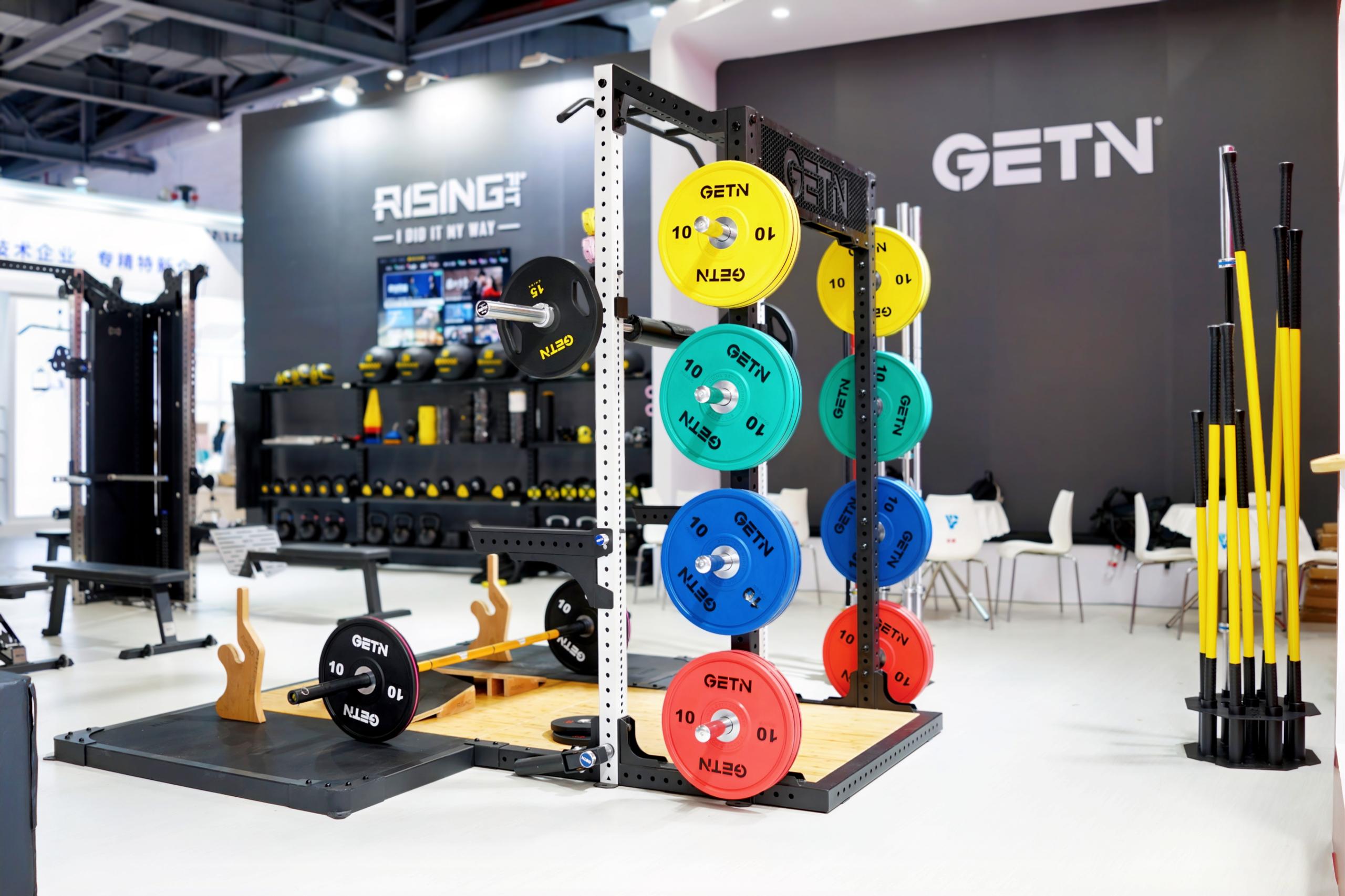
Selecting an OEM partner for gym equipment represents one of the most critical decisions in building a successful private label fitness business. The right manufacturing partnership determines product quality, market positioning, profitability, and long-term brand reputation in the competitive fitness industry. Whether you're launching a new equipment line or expanding your existing portfolio, the OEM partner for gym equipment you choose will directly impact your ability to meet customer expectations and achieve sustainable growth.
The complexity of modern gym equipment manufacturing requires specialized expertise, advanced production capabilities, and deep understanding of safety standards and user requirements. From weight training systems to cardiovascular machines, each equipment category demands specific engineering knowledge and manufacturing precision. Your chosen OEM partner for gym equipment must demonstrate proven capability across multiple technical domains while maintaining consistent quality standards that align with your brand positioning and customer expectations.
Manufacturing Capabilities and Technical Expertise Assessment
Production Capacity and Scalability Evaluation
Evaluating production capacity forms the foundation of successful OEM partnerships in gym equipment manufacturing. Your potential OEM partner for gym equipment should demonstrate clear capacity to handle both initial order volumes and future scaling requirements. This assessment involves examining current production lines, equipment utilization rates, and expansion capabilities during peak demand periods.
Manufacturing scalability becomes particularly critical when launching private label fitness equipment into multiple markets simultaneously. The ideal OEM partner maintains flexible production scheduling that accommodates seasonal demand fluctuations common in the fitness industry. Additionally, they should possess backup production capabilities or established partnerships that ensure continuity during maintenance periods or unexpected demand surges.
Consider the manufacturer's experience handling both small-batch custom orders and large-scale production runs. Many fitness brands require initial smaller quantities for market testing before committing to larger volumes. Your OEM partner for gym equipment should offer economic feasibility across various order sizes while maintaining consistent quality standards throughout scaling processes.
Technical Engineering and Design Capabilities
Advanced engineering capabilities distinguish exceptional OEM partners from basic manufacturing providers in the gym equipment sector. Your chosen partner should maintain in-house design teams capable of translating conceptual ideas into manufacturable products while ensuring structural integrity and user safety. This includes expertise in materials science, biomechanics, and ergonomic design principles specific to fitness applications.
The technical expertise of your OEM partner for gym equipment directly influences product innovation potential and competitive differentiation. Evaluate their ability to integrate modern technologies such as digital tracking systems, smart connectivity features, and advanced resistance mechanisms. Additionally, assess their experience with various materials including steel grades, composite materials, and specialized coatings that enhance durability and performance.
Manufacturing precision becomes crucial when producing complex equipment like multi-station training systems or precision cardio machines. Your partner should demonstrate capabilities in CNC machining, welding expertise, and assembly processes that ensure consistent tolerances and smooth operation. Review their quality control processes for dimensional accuracy and functional performance validation.
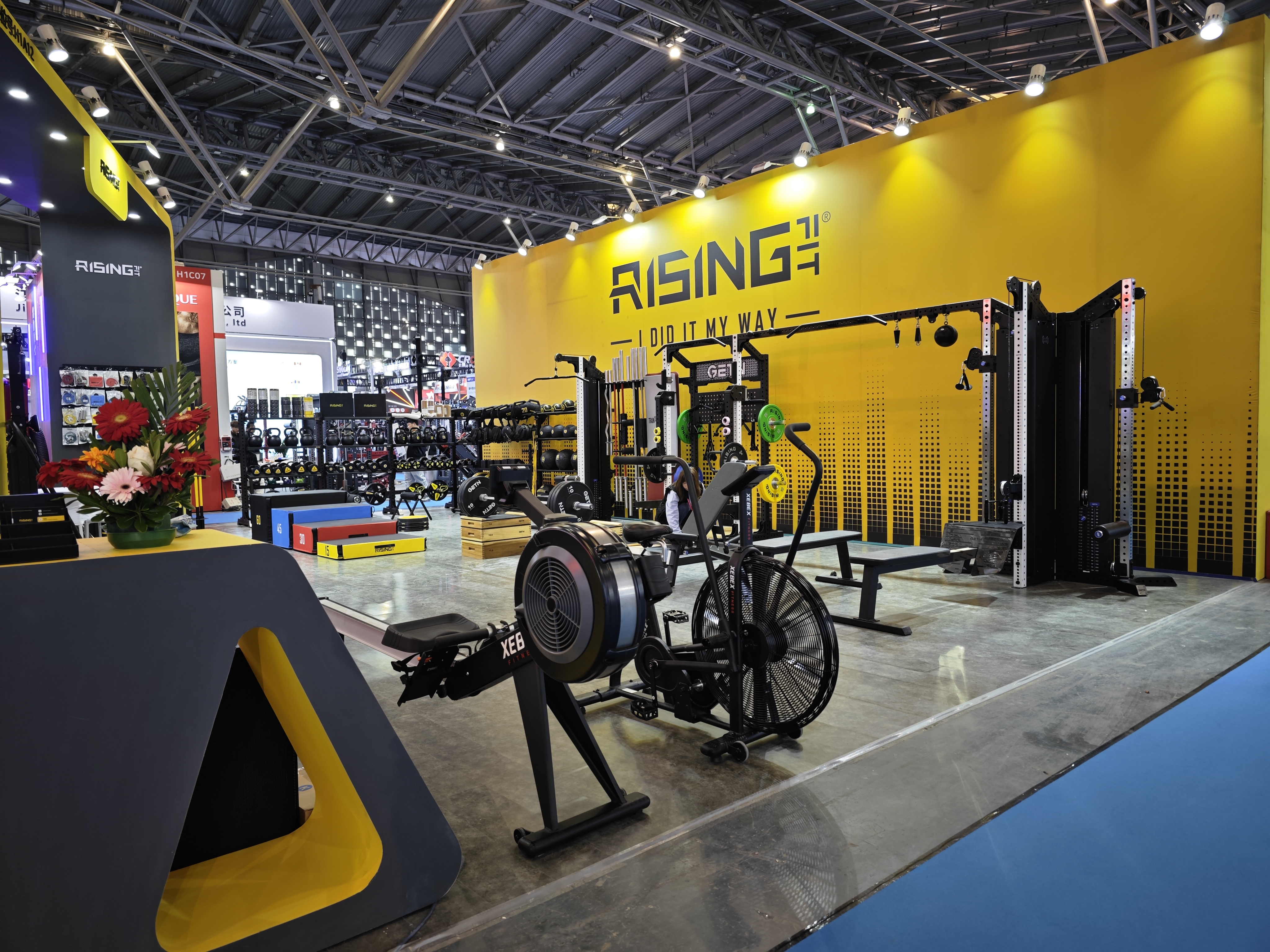
Quality Standards and Certification Requirements
International Safety and Quality Certifications
Comprehensive certification coverage ensures your private label gym equipment meets international safety and quality standards required for global distribution. Your OEM partner for gym equipment must maintain current certifications from recognized bodies such as CE marking for European markets, UL listing for North American distribution, and ISO quality management standards that demonstrate systematic approach to manufacturing excellence.
Industry-specific certifications provide additional credibility and market access opportunities. Look for partners holding certifications from organizations like the International Health, Racquet & Sportsclub Association (IHRSA) or adherence to ASTM International standards for fitness equipment. These certifications indicate deep understanding of user safety requirements and performance expectations specific to commercial and residential fitness applications.
Ongoing certification maintenance demonstrates commitment to continuous improvement and regulatory compliance. Your chosen OEM partner for gym equipment should provide documentation of regular audits, certification renewals, and proactive updates to meet evolving safety standards. This approach protects your brand from liability issues and ensures long-term market access across different regions.
Quality Control Processes and Testing Protocols
Robust quality control systems ensure consistent product performance and safety across all production batches. Evaluate the testing protocols your potential OEM partner employs for structural integrity, fatigue resistance, and functional performance validation. Comprehensive testing should include both component-level validation and complete system performance evaluation under various load conditions.
Manufacturing quality control extends beyond final product testing to include incoming material verification, in-process monitoring, and pre-shipment inspection procedures. Your OEM partner for gym equipment should demonstrate systematic approach to identifying and addressing quality issues before products reach market. This includes statistical process control methods and continuous improvement initiatives that enhance manufacturing consistency.
Documentation and traceability systems enable effective quality management and support warranty claims processing. Assess your partner's ability to maintain detailed production records, material source tracking, and performance test results that support long-term product support and continuous improvement efforts. Clear documentation also facilitates regulatory compliance and customer confidence in product reliability.
Supply Chain Management and Reliability Factors
Raw Material Sourcing and Supplier Network
Strategic raw material sourcing capabilities ensure consistent availability of high-quality components required for professional gym equipment manufacturing. Your OEM partner for gym equipment should maintain established relationships with reliable steel suppliers, specialized hardware vendors, and component manufacturers that meet stringent quality requirements. These partnerships should include backup suppliers to mitigate supply chain disruptions.
Material quality verification processes demonstrate your partner's commitment to using appropriate grades of steel, premium bearings, and durable finishes that withstand intensive commercial use. Evaluate their incoming inspection procedures for raw materials and components, including chemical composition testing for steel, dimensional verification for precision components, and performance validation for specialized parts like cables and pulleys.
Supply chain transparency enables better cost management and delivery predictability for your private label projects. Your chosen OEM partner for gym equipment should provide clear visibility into material lead times, pricing stability agreements, and inventory management practices that support consistent production scheduling and delivery commitments.
Logistics and Delivery Coordination
Efficient logistics coordination ensures timely delivery of finished equipment to your distribution channels while minimizing damage during transportation. Assess your potential partner's experience with packaging design that protects complex equipment during international shipping, including custom crating for oversized items and protective materials that prevent scratching and mechanical damage.
International shipping expertise becomes crucial when distributing private label gym equipment to global markets. Your OEM partner for gym equipment should demonstrate familiarity with export documentation requirements, customs procedures, and shipping regulations that affect fitness equipment transportation. This includes proper classification codes and compliance with country-specific import requirements.
Delivery scheduling flexibility accommodates varying customer requirements and seasonal demand patterns common in the fitness industry. Evaluate their ability to coordinate deliveries with installation schedules, manage partial shipments for large orders, and provide tracking information that enables effective inventory management and customer communication.
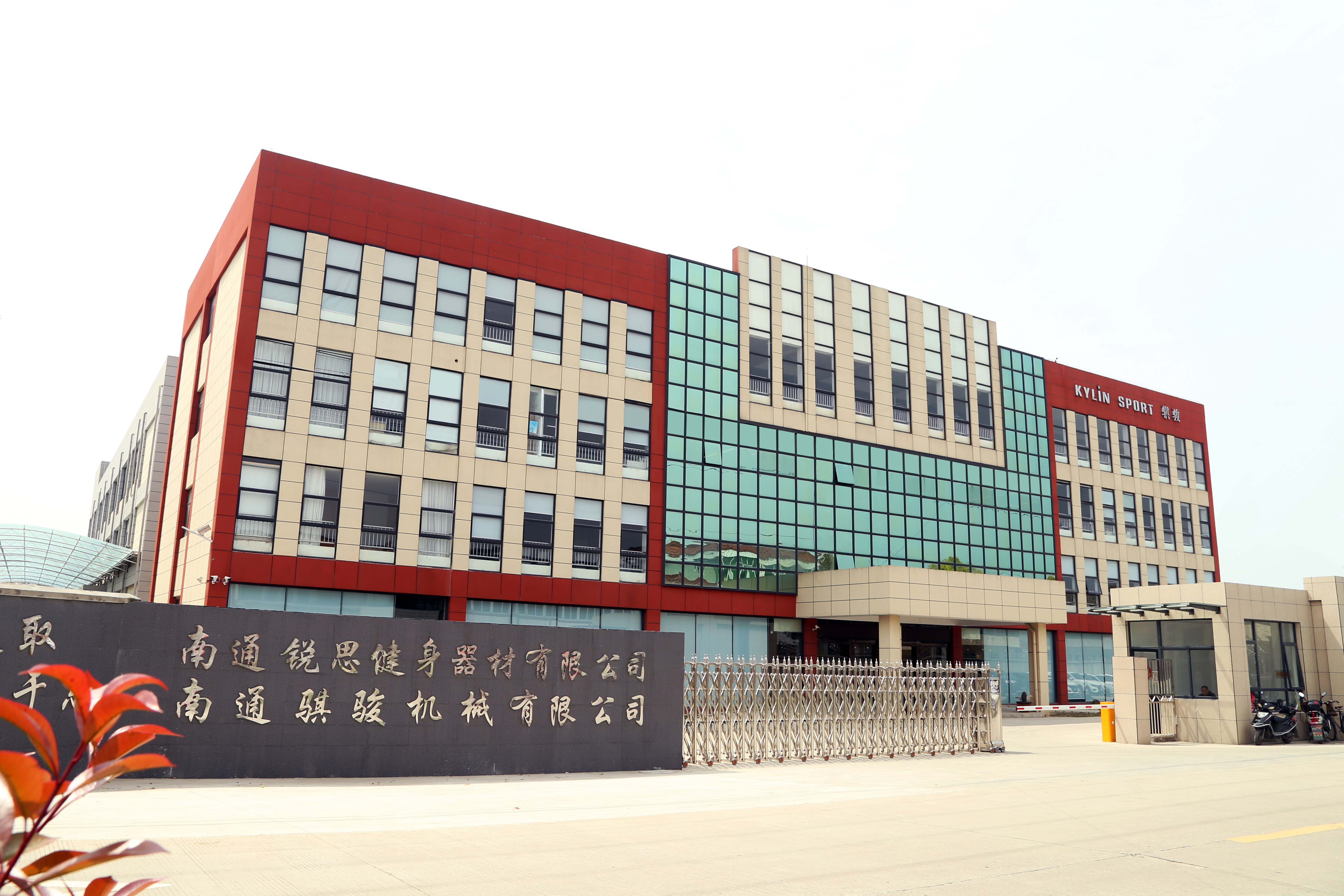
Communication and Partnership Management
Project Management and Development Support
Effective project management capabilities ensure smooth development and production of your private label gym equipment line from concept to market delivery. Your OEM partner for gym equipment should assign dedicated project managers who understand fitness industry requirements and maintain clear communication throughout development cycles. These managers should provide regular updates, coordinate between different departments, and address issues proactively.
Development support services add significant value to OEM partnerships by providing technical expertise during product customization and optimization phases. Look for partners offering industrial design consultation, engineering analysis, and prototype development capabilities that accelerate time-to-market for new equipment variants. Their experience with similar projects can help avoid common pitfalls and optimize designs for manufacturability.
Documentation and approval processes should be clearly defined to prevent miscommunication and ensure all specifications are accurately captured before production begins. Your OEM partner for gym equipment should provide detailed technical drawings, material specifications, and production timelines that enable effective planning and coordination with your marketing and sales activities.
Customer Service and After-Sales Support
Comprehensive after-sales support capabilities enable effective warranty service and customer satisfaction management for your private label equipment. Evaluate your potential partner's ability to provide technical support documentation, spare parts availability, and field service coordination that supports your customer service objectives. This includes training materials for installation and maintenance procedures.
Response time commitments for customer service inquiries and warranty claims directly impact your brand reputation and customer retention rates. Your chosen OEM partner for gym equipment should establish clear service level agreements for technical support, parts delivery, and field service coordination that align with your customer service standards and market positioning.
Long-term partnership stability ensures ongoing support for products throughout their lifecycle, including discontinued models that may require service for many years after initial sale. Assess the financial stability and commitment of potential partners to maintaining service capabilities and parts inventory that supports long-term customer relationships and brand credibility.
Cost Structure and Financial Considerations
Pricing Models and Cost Transparency
Understanding comprehensive cost structures enables accurate financial planning and competitive pricing strategies for your private label gym equipment business. Your OEM partner for gym equipment should provide detailed breakdowns of manufacturing costs, including materials, labor, overhead, and any additional services required for your specific requirements. This transparency enables better budgeting and pricing optimization.
Volume-based pricing tiers should align with your business growth projections and provide incentives for increased order quantities. Evaluate the pricing structure for different volume levels and assess how economies of scale impact your overall cost position. Additionally, consider seasonal pricing adjustments and long-term pricing stability agreements that provide predictability for financial planning.
Hidden costs and additional fees can significantly impact profitability if not properly understood during partner selection. Your OEM partner for gym equipment should clearly disclose all potential charges including tooling costs, setup fees, customization charges, packaging costs, and any certification or testing fees that may apply to your specific products or markets.
Payment Terms and Financial Flexibility
Flexible payment terms support cash flow management and reduce financial risk during product development and initial production phases. Assess your potential partner's willingness to offer staged payment schedules, deposit requirements, and credit terms that align with your business model and cash flow patterns. This becomes particularly important for new businesses or seasonal ordering patterns.
Financial stability of your OEM partner affects long-term partnership viability and service continuity. Evaluate their financial health through available financial statements, credit ratings, and references from other long-term customers. A financially stable OEM partner for gym equipment provides greater assurance of ongoing support and investment in manufacturing capabilities.
Currency risk management becomes important when working with international partners, particularly for long-term contracts or large orders. Discuss hedging options, multi-currency pricing, and exchange rate adjustment mechanisms that protect both parties from significant currency fluctuations while maintaining pricing competitiveness in target markets.
FAQ
What minimum order quantities should I expect from OEM partners for gym equipment?
Minimum order quantities for gym equipment OEM partnerships typically range from 50 to 500 units per product model, depending on complexity and customization requirements. Simpler equipment like basic weight benches may have lower minimums around 50-100 units, while complex multi-station equipment often requires 200-500 unit minimums to achieve economic production efficiency. Many OEM partners offer flexibility for initial orders with higher unit costs, then provide better pricing for subsequent larger orders as your business grows.
How long does the typical product development cycle take with an OEM partner?
Product development cycles for private label gym equipment generally range from 90 to 180 days from concept approval to first production shipment. Simple modifications to existing designs may require only 60-90 days, while completely new equipment development can extend 120-240 days depending on complexity and testing requirements. The timeline includes design finalization, prototype development, testing and certification, tooling preparation, and initial production setup phases.
What certifications are absolutely essential for gym equipment OEM manufacturing?
Essential certifications include CE marking for European markets, UL or ETL listing for North American distribution, and ISO 9001 quality management certification. Additionally, ASTM F1250 standard compliance for cardiovascular equipment and ASTM F2276 for strength training equipment provide important safety validation. Many commercial buyers also require GREENGUARD certification for indoor air quality and various regional safety standards depending on target markets.
How can I verify the quality and reliability of a potential OEM partner?
Verify OEM partner quality through factory audits, reference checks with existing customers, and review of current certifications and quality documentation. Request samples of similar products they manufacture and conduct independent testing if necessary. Additionally, verify their client list, check online reviews and industry reputation, and assess their financial stability through available credit reports or financial statements. Many reliable partners welcome facility tours and provide detailed capability documentation during evaluation phases.
Table of Contents
- Manufacturing Capabilities and Technical Expertise Assessment
- Quality Standards and Certification Requirements
- Supply Chain Management and Reliability Factors
- Communication and Partnership Management
- Cost Structure and Financial Considerations
-
FAQ
- What minimum order quantities should I expect from OEM partners for gym equipment?
- How long does the typical product development cycle take with an OEM partner?
- What certifications are absolutely essential for gym equipment OEM manufacturing?
- How can I verify the quality and reliability of a potential OEM partner?