 EN
EN


Evaluating Coated Strength Equipment in Modern Training Spaces
Strength training environments have evolved significantly, and equipment choices now reflect higher expectations for safety, durability, and user experience. Among free-weight options, Hex Dumbbell designs have become a standard across commercial gyms, studios, and home setups. When rubber coating is added, many buyers pause to evaluate value, performance, and long-term return. Understanding whether rubber-coated Hex Dumbbell products are truly worth the investment requires a detailed look at structure, usage scenarios, maintenance, and overall training impact.
Understanding the Core Structure of a Hex Dumbbell
Hexagonal Head Design and Stability
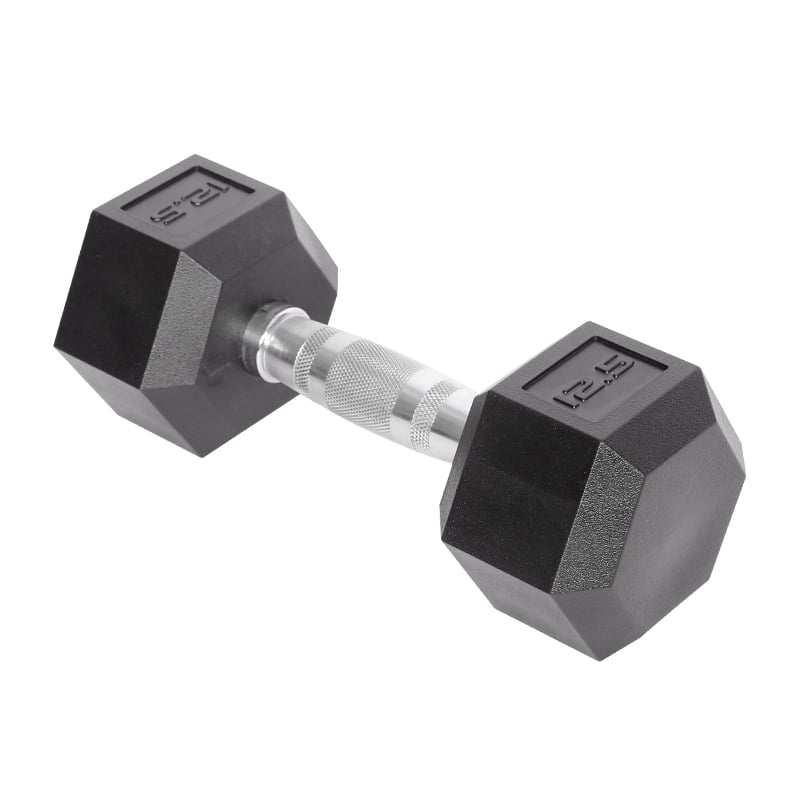
A Hex Dumbbell is defined by its six-sided head shape, which prevents rolling and improves safety during floor-based exercises. This structural advantage is particularly important in functional training, circuit workouts, and high-traffic gym environments. When a Hex Dumbbell remains stable on the ground, transitions between movements become smoother and safer for users.
The hexagonal design also supports exercises such as renegade rows, push-ups, and plank variations. These movements rely on stable contact with the floor, and a rolling dumbbell would compromise both form and safety. This core structural benefit exists regardless of surface coating, forming the foundation of Hex Dumbbell popularity.
Handle Construction and Grip Experience
Beyond the head shape, the handle plays a crucial role in user experience. Most Hex Dumbbell handles are knurled to improve grip, especially during sweaty or high-rep workouts. Grip consistency affects confidence and training efficiency.
Rubber coating does not usually extend to the handle, which allows the user to maintain direct contact with metal for grip precision. This separation of functions ensures that the Hex Dumbbell balances comfort, control, and durability in daily use.
What Rubber Coating Adds to a Hex Dumbbell
Surface Protection and Impact Absorption
Rubber coating primarily serves as a protective layer. When a Hex Dumbbell is placed or dropped on the floor, the rubber absorbs part of the impact, reducing damage to both the equipment and the flooring. This is particularly valuable in gyms with rubber mats, wooden platforms, or multi-use floors.
Impact absorption also reduces noise. In busy training environments, excessive noise can disrupt classes and affect member satisfaction. Rubber-coated Hex Dumbbell sets help create a more controlled and professional atmosphere.
Resistance to Corrosion and Environmental Wear
Bare metal dumbbells are more vulnerable to moisture, humidity, and cleaning chemicals. Over time, exposure can lead to rust, discoloration, and surface degradation. Rubber-coated Hex Dumbbell products provide an additional barrier against environmental factors.
This protective layer is especially useful in facilities with frequent cleaning schedules or in regions with high humidity. By shielding the metal core, rubber coating extends the usable lifespan of the Hex Dumbbell.
Comparing Rubber-Coated and Bare Hex Dumbbell Options
Durability in High-Traffic Gyms
In commercial gyms, equipment durability directly affects replacement cycles and operational costs. Rubber-coated Hex Dumbbell sets are generally more resistant to chips, cracks, and cosmetic damage caused by repeated handling.
Bare Hex Dumbbell options may show wear more quickly, especially on edges and contact points. While this wear does not always affect performance, it can influence the visual appearance of the gym and member perception of equipment quality.
Maintenance and Cleaning Requirements
Cleaning routines differ between coated and uncoated equipment. Rubber-coated Hex Dumbbell surfaces are easier to wipe down and less likely to retain residue from sweat or chalk. This supports hygiene standards and reduces cleaning time for staff.
Bare metal surfaces may require more careful maintenance to prevent corrosion or staining. Over time, this can increase labor effort and maintenance costs, particularly in large facilities.
Safety Considerations in Training Environments
Floor and Equipment Protection
Dropped or improperly placed weights are common in strength training areas. Rubber-coated Hex Dumbbell designs reduce the risk of floor damage and cracking, especially in facilities without heavy lifting platforms.
Protecting floors is not only about aesthetics but also about safety. Uneven or damaged flooring increases the risk of slips and injuries. Rubber-coated Hex Dumbbell sets contribute to a safer overall environment.
User Confidence and Injury Prevention
User confidence plays a subtle but important role in training quality. When members feel comfortable handling equipment, they are more likely to focus on technique and progression. Rubber coating provides a tactile sense of control and reassurance.
Reduced noise and shock during placement also help prevent sudden distractions, which can lead to loss of focus or improper movement execution.
Performance Impact on Training Quality
Stability During Floor-Based Movements
Hex Dumbbell stability is critical during functional exercises. Rubber coating enhances grip between the dumbbell head and the floor, especially on smooth surfaces. This added friction minimizes slipping and unwanted movement.
For exercises that involve bodyweight support on dumbbells, such as push-up variations, this stability directly influences performance quality and safety.
Consistency Across Training Sessions
Consistency matters for long-term training progress. Rubber-coated Hex Dumbbell sets maintain their shape and surface integrity longer, ensuring consistent feel and behavior over time.
This consistency supports muscle memory and technique development, particularly for beginners and intermediate users who rely on predictable equipment behavior.
Cost Considerations and Value Assessment
Initial Investment Versus Long-Term Savings
Rubber-coated Hex Dumbbell products typically carry a higher upfront cost compared to bare alternatives. However, evaluating value requires looking beyond purchase price.
Longer lifespan, reduced floor damage, lower maintenance effort, and improved member satisfaction all contribute to long-term savings. When viewed over multiple years, the total cost of ownership often favors rubber-coated options.
Replacement Cycles and Operational Budgeting
Frequent equipment replacement disrupts operations and budgets. Rubber-coated Hex Dumbbell sets reduce replacement frequency by resisting wear and tear.
For gyms managing tight operational budgets, predictable replacement cycles simplify financial planning and reduce unexpected expenses.
Suitability for Different Training Settings
Commercial Gyms and Fitness Centers
In commercial settings, rubber-coated Hex Dumbbell sets align well with high usage demands. Durability, noise reduction, and ease of cleaning support smooth daily operations.
Members in commercial gyms often associate rubber-coated equipment with higher quality. This perception can influence retention and overall brand image.
Home Gyms and Personal Training Studios
For home gyms, protecting flooring is often a top priority. Rubber-coated Hex Dumbbell options reduce the risk of damage to tiles, wood, or laminate floors.
In personal training studios, aesthetics and professionalism matter. Clean, well-maintained rubber-coated Hex Dumbbell sets contribute to a polished training environment.
Ergonomics and User Experience
Comfort During Handling and Storage
Rubber coating improves comfort during handling, particularly when moving dumbbells to and from racks. The softer surface reduces pressure points on hands and forearms during transport.
During storage, coated dumbbells are less likely to scratch racks or adjacent equipment, preserving the overall condition of the training area.
Visual Organization and Gym Aesthetics
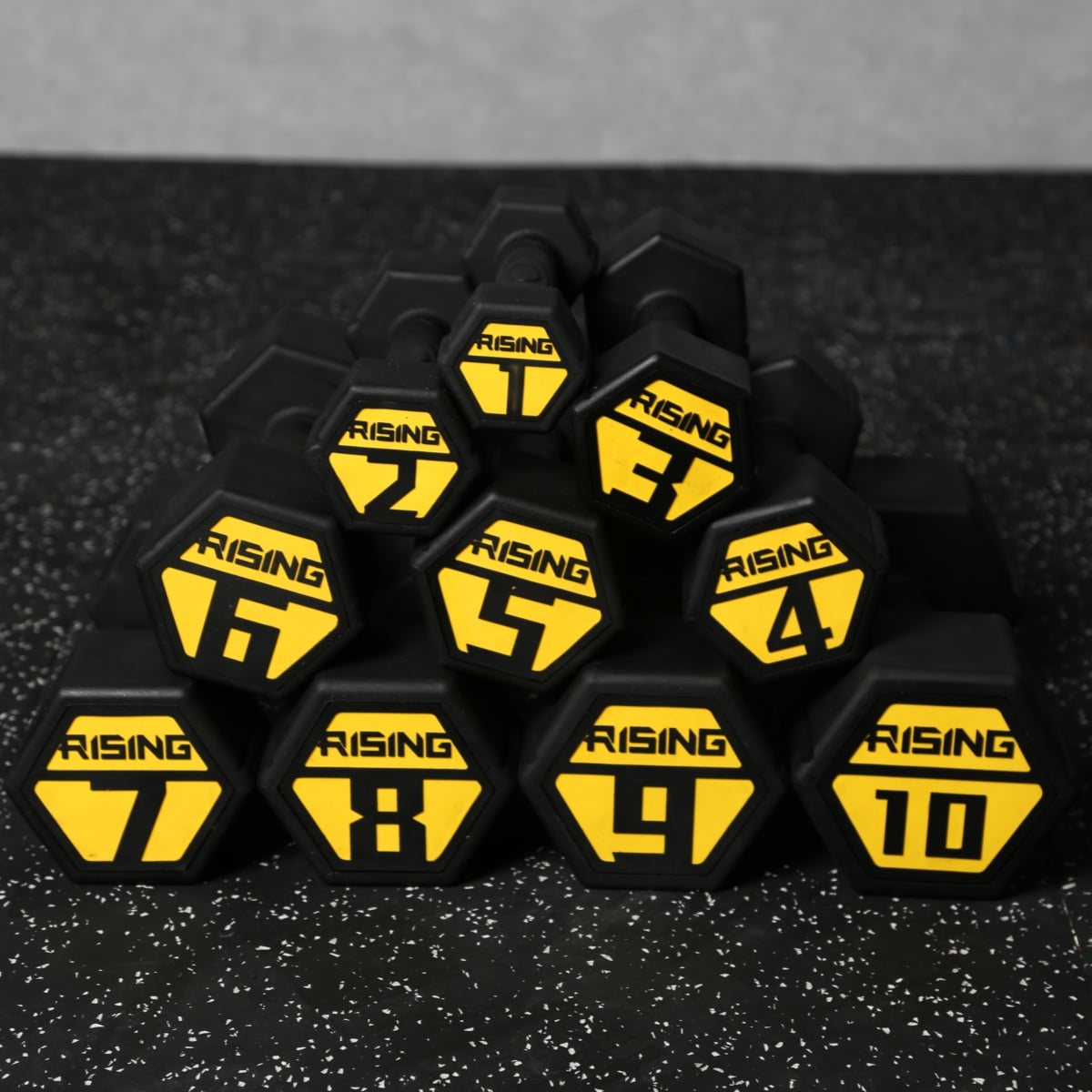
Rubber-coated Hex Dumbbell sets often feature consistent finishes and clear weight markings. This enhances visual organization and helps users quickly identify the correct weight.
A well-organized free-weight area improves user flow and reduces confusion, contributing to a more enjoyable training experience.
Environmental and Noise Factors
Noise Reduction in Shared Spaces
Noise control is increasingly important in multi-use fitness facilities. Rubber-coated Hex Dumbbell sets significantly reduce impact noise compared to bare metal.
Lower noise levels support group classes, personal training sessions, and shared building environments where sound control is required.
Impact on Surrounding Equipment
Noise is not the only concern. Vibration from dropped weights can affect nearby equipment and structures. Rubber coating dampens vibration, protecting racks, benches, and surrounding installations.
This indirect protection extends the lifespan of multiple assets within the gym.
Long-Term Equipment Management
Inventory Consistency and Appearance
Over time, bare Hex Dumbbell sets may show uneven wear, creating an inconsistent appearance across the rack. Rubber-coated sets maintain a more uniform look.
Consistency in appearance reinforces a sense of quality and care, which influences how members perceive the facility.
Simplifying Staff Oversight
Well-protected equipment reduces the need for frequent inspections and repairs. Staff can focus on coaching, cleaning, and member support rather than constant equipment management.
This operational efficiency is especially valuable in large facilities with limited staff resources.
Weighing Practical Benefits Against Expectations
Aligning Equipment Choice With Gym Goals
Choosing rubber-coated Hex Dumbbell sets should align with the gym’s positioning and goals. Facilities emphasizing premium experience, safety, and longevity often benefit most from coated options.
Understanding the target user base helps determine whether the added benefits justify the investment.
Avoiding Over-Specification
While rubber coating offers many advantages, it may not be essential for every scenario. Facilities with limited usage or specialized training formats may prioritize other features.
Balanced decision-making ensures that Hex Dumbbell investments remain aligned with actual operational needs.
Decision-Making Framework for Buyers
Assessing Usage Frequency and Load
High-frequency use amplifies wear and tear. In such cases, rubber-coated Hex Dumbbell sets deliver clear value by maintaining performance under constant demand.
Lower usage environments may experience slower degradation, affecting the cost-benefit equation.
Evaluating Space, Noise, and Flooring
Facilities with sensitive flooring or noise restrictions gain additional benefits from rubber-coated Hex Dumbbell products. These contextual factors should influence purchasing decisions.
A thorough assessment of space constraints and user behavior leads to better outcomes.
FAQ
Rubber-Coated Hex Dumbbell Durability
Rubber-coated Hex Dumbbell sets generally offer improved durability by protecting the metal core from impact, moisture, and surface wear.
Suitability for Heavy Lifting
Rubber-coated Hex Dumbbell options are suitable for heavy lifting environments, provided that the core construction and bonding quality are properly engineered.
Maintenance Requirements Over Time
Maintenance typically involves routine cleaning and visual inspection. Rubber coating simplifies upkeep and reduces corrosion risks.
Table of Contents
- Evaluating Coated Strength Equipment in Modern Training Spaces
- Understanding the Core Structure of a Hex Dumbbell
- What Rubber Coating Adds to a Hex Dumbbell
- Comparing Rubber-Coated and Bare Hex Dumbbell Options
- Safety Considerations in Training Environments
- Performance Impact on Training Quality
- Cost Considerations and Value Assessment
- Suitability for Different Training Settings
- Ergonomics and User Experience
- Environmental and Noise Factors
- Long-Term Equipment Management
- Weighing Practical Benefits Against Expectations
- Decision-Making Framework for Buyers
- FAQ