 EN
EN


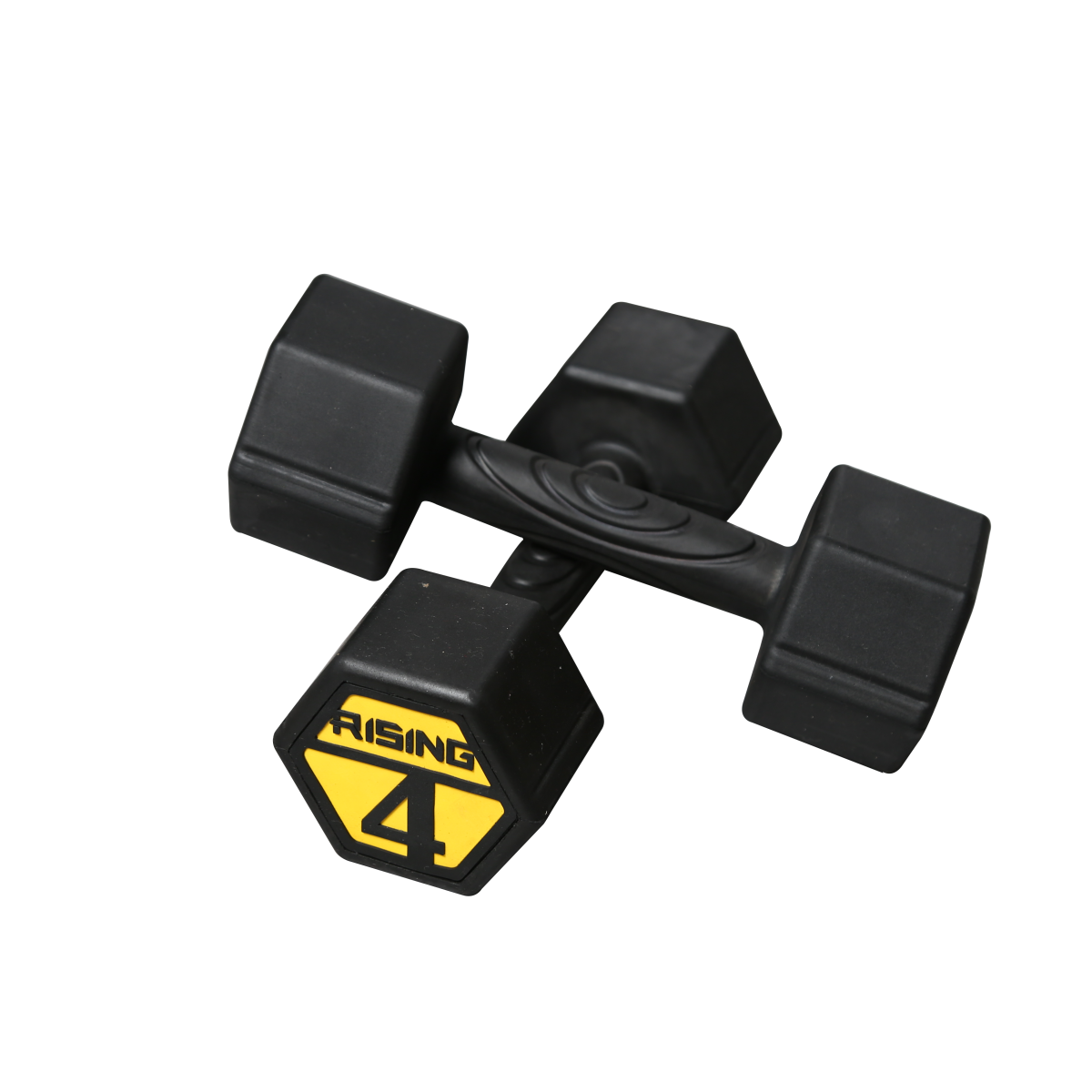
Building a Solid Foundation for Strength Training Progress
Choosing the right Hex Dumbbell weight is one of the most important decisions in any strength training journey. Whether someone is training at home, in a commercial gym, or in a professional fitness facility, Hex Dumbbell selection directly affects training safety, effectiveness, and long-term progress. Weight that is too light limits results, while weight that is too heavy increases injury risk and discourages consistency. A clear understanding of how to match Hex Dumbbell weight to individual goals, experience level, and exercise type helps create a balanced and sustainable training routine.
Understanding What Hex Dumbbell Weight Really Represents
Relationship Between Weight and Training Purpose
Hex Dumbbell weight is not just a number printed on the head of the dumbbell. It represents resistance applied to muscles, joints, and connective tissues during movement. Different training purposes require different resistance levels. Strength-focused routines demand heavier Hex Dumbbell weights, while endurance and conditioning routines often rely on lighter loads with higher repetitions.
The same Hex Dumbbell can serve multiple purposes depending on how it is used. Tempo, range of motion, and rest periods all influence how challenging a given weight feels. Understanding this relationship helps users select weights that align with training intent rather than relying on guesswork.
How Exercise Selection Changes Weight Needs
Not all exercises place the same demands on the body. Compound movements such as presses, rows, and squats typically allow heavier Hex Dumbbell weights because multiple muscle groups share the load. Isolation movements like lateral raises or triceps kickbacks require lighter weights due to smaller muscle involvement.
Selecting Hex Dumbbell weight should always consider the specific exercise. Using the same weight across all movements often leads to poor form or limited progress. Smart weight selection adapts to exercise mechanics and muscle recruitment patterns.
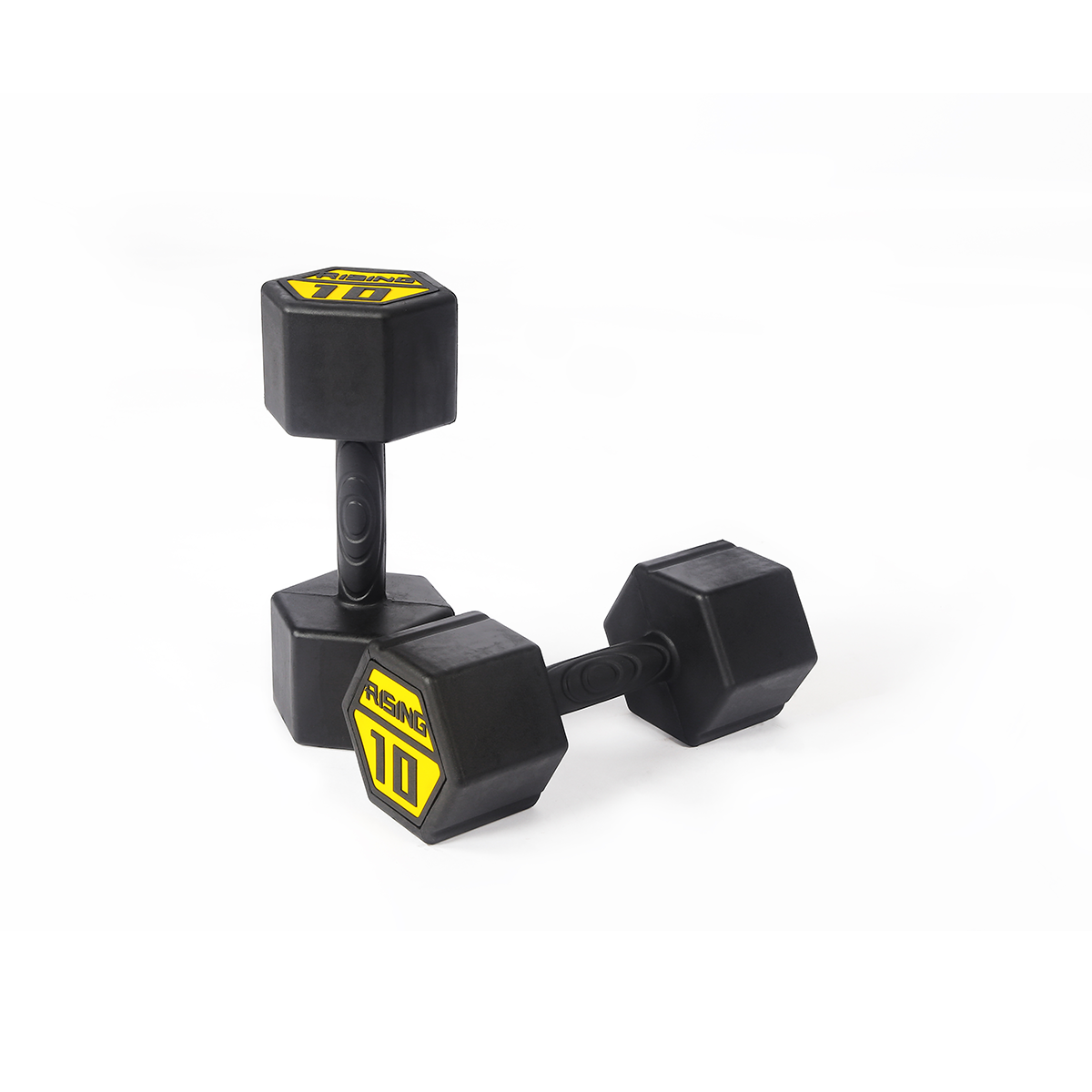
Matching Hex Dumbbell Weight to Experience Level
Beginner Training Considerations
Beginners benefit most from conservative Hex Dumbbell weight choices. Early training stages focus on learning movement patterns, developing joint stability, and building neuromuscular coordination. Lighter weights allow users to practice proper form without excessive strain.
Starting with manageable Hex Dumbbell weights also builds confidence. Gradual progression encourages consistency and reduces the likelihood of early setbacks. Beginners should prioritize control and technique over lifting heavier loads too soon.
Intermediate and Advanced Training Needs
As experience increases, the body adapts to resistance and requires progressive overload to continue improving. Intermediate and advanced users often need a wider range of Hex Dumbbell weights to support varied training goals.
Heavier Hex Dumbbell weights challenge strength capacity, while moderate weights support hypertrophy and lighter weights assist recovery or accessory work. Having access to multiple weight options allows experienced users to fine-tune training intensity across different sessions.
Evaluating Strength Levels Across Muscle Groups
Upper Body Versus Lower Body Strength Differences
The human body is not uniformly strong. Lower body muscles such as quadriceps and glutes can typically handle heavier Hex Dumbbell weights compared to smaller upper body muscle groups. This difference should guide weight selection rather than assuming one weight fits all movements.
Using appropriate Hex Dumbbell weight for each muscle group ensures balanced development. It also reduces compensatory movement patterns that occur when loads exceed muscular capacity.
Dominant and Non-Dominant Side Balance
Most individuals have a dominant side that feels stronger and more coordinated. When training with Hex Dumbbell equipment, unilateral movements reveal these imbalances. Selecting a weight that the weaker side can handle with good form is essential.
Balancing strength between sides improves symmetry and reduces injury risk. Proper Hex Dumbbell weight selection supports controlled progress without reinforcing existing imbalances.
Aligning Hex Dumbbell Weight with Training Goals
Muscle Growth and Hypertrophy Focus
For hypertrophy-oriented training, Hex Dumbbell weight should allow controlled repetitions within a moderate rep range. Weights that are too heavy limit volume, while weights that are too light reduce muscle stimulus.
Consistent tension and full range of motion are key. Selecting Hex Dumbbell weight that challenges muscles without sacrificing technique leads to better growth outcomes over time.
Strength Development Objectives
Strength-focused routines emphasize heavier Hex Dumbbell weights with lower repetition ranges. Proper warm-up and progressive loading are critical in this context.
Heavier weights demand greater recovery and technical precision. Users should increase Hex Dumbbell weight gradually to avoid plateaus or injury while supporting measurable strength gains.
Considering Training Frequency and Volume
How Weekly Training Schedule Influences Weight Choice
Training frequency plays a role in Hex Dumbbell weight selection. High-frequency programs often require slightly lighter weights to manage cumulative fatigue. Lower-frequency programs allow heavier loads with more recovery time between sessions.
Balancing frequency and intensity ensures that Hex Dumbbell training remains productive rather than exhausting. Weight selection should complement overall program design.
Managing Fatigue and Recovery
Fatigue affects performance and increases injury risk. Selecting Hex Dumbbell weight that aligns with current recovery status helps maintain consistency.
On days with reduced energy or increased soreness, lighter weights support active recovery while preserving movement quality. Flexible weight selection keeps training sustainable.
Importance of Proper Technique in Weight Selection
Maintaining Form Under Load
Good form is the primary indicator of correct Hex Dumbbell weight. When technique breaks down, the weight is likely too heavy. Poor form shifts stress away from target muscles and increases injury risk.
Selecting a weight that allows full control throughout the movement ensures that muscles, not momentum, do the work. This principle applies across all training levels.
Tempo and Control Factors
Tempo influences how challenging a given Hex Dumbbell weight feels. Slower eccentric phases increase time under tension, making lighter weights more demanding.
Adjusting tempo provides another way to progress without immediately increasing weight. This approach supports joint health and improves muscle control.
Selecting Hex Dumbbell Weight for Different Training Environments
Home Gym Training Considerations
Home gyms often have limited equipment. Choosing a versatile range of Hex Dumbbell weights becomes especially important. Adjustable progressions allow users to train multiple muscle groups effectively.
In this setting, selecting weights that cover both compound and isolation movements maximizes training variety without overcrowding space.
Commercial Gym and Studio Use
In commercial gyms, a wide selection of Hex Dumbbell weights supports diverse member needs. Users benefit from incremental weight options that allow smooth progression.
Clear labeling and organized storage help members choose appropriate weights quickly, improving overall training flow and safety.
Progression Strategies for Long-Term Improvement
Incremental Weight Increases
Small, consistent increases in Hex Dumbbell weight drive long-term progress. Jumping too quickly between weights often leads to stalled progress or injury.
Incremental progression allows the body to adapt gradually. Even small increases accumulate into significant strength gains over time.
Combining Volume and Intensity Adjustments
Progression does not always require heavier Hex Dumbbell weight. Increasing repetitions, sets, or training density also challenges the body.
Alternating between volume and intensity phases keeps training engaging and reduces overuse stress. Strategic variation supports continuous improvement.
Psychological Factors in Weight Selection
Confidence and Perceived Effort
Perception plays a role in how heavy a Hex Dumbbell feels. Confidence improves performance, while doubt can limit output.
Choosing a weight that feels challenging yet achievable builds mental resilience. Positive training experiences encourage long-term commitment.
Avoiding Ego-Driven Decisions
Ego-driven weight selection often leads to compromised form and stalled progress. Selecting Hex Dumbbell weight based on ability rather than comparison promotes healthier training habits.
Sustainable progress comes from consistency and discipline rather than short-term displays of strength.
Safety and Injury Prevention Considerations
Joint Health and Load Management
Joints respond differently to load than muscles. Selecting appropriate Hex Dumbbell weight protects joints from excessive stress.
Gradual progression and proper warm-up routines support joint health and reduce injury risk over time.
Recognizing Signs of Overloading
Pain, persistent soreness, and reduced performance indicate that Hex Dumbbell weight may be too heavy. Listening to these signals prevents long-term setbacks.
Adjusting weight in response to physical feedback supports longevity in training.
Integrating Hex Dumbbell Weight Selection into Program Design
Periodization and Training Phases
Structured programs cycle through different phases, each with specific weight demands. Hex Dumbbell selection should align with these phases to maximize effectiveness.
Lighter phases support recovery, while heavier phases emphasize strength. Thoughtful planning ensures balanced development.
Adapting to Individual Progress Rates
Not everyone progresses at the same pace. Personalized Hex Dumbbell weight selection respects individual recovery, experience, and goals.
Adapting weight choices prevents frustration and promotes steady improvement.
Table of Contents
- Building a Solid Foundation for Strength Training Progress
- Understanding What Hex Dumbbell Weight Really Represents
- Matching Hex Dumbbell Weight to Experience Level
- Evaluating Strength Levels Across Muscle Groups
- Aligning Hex Dumbbell Weight with Training Goals
- Considering Training Frequency and Volume
- Importance of Proper Technique in Weight Selection
- Selecting Hex Dumbbell Weight for Different Training Environments
- Progression Strategies for Long-Term Improvement
- Psychological Factors in Weight Selection
- Safety and Injury Prevention Considerations
- Integrating Hex Dumbbell Weight Selection into Program Design