 EN
EN


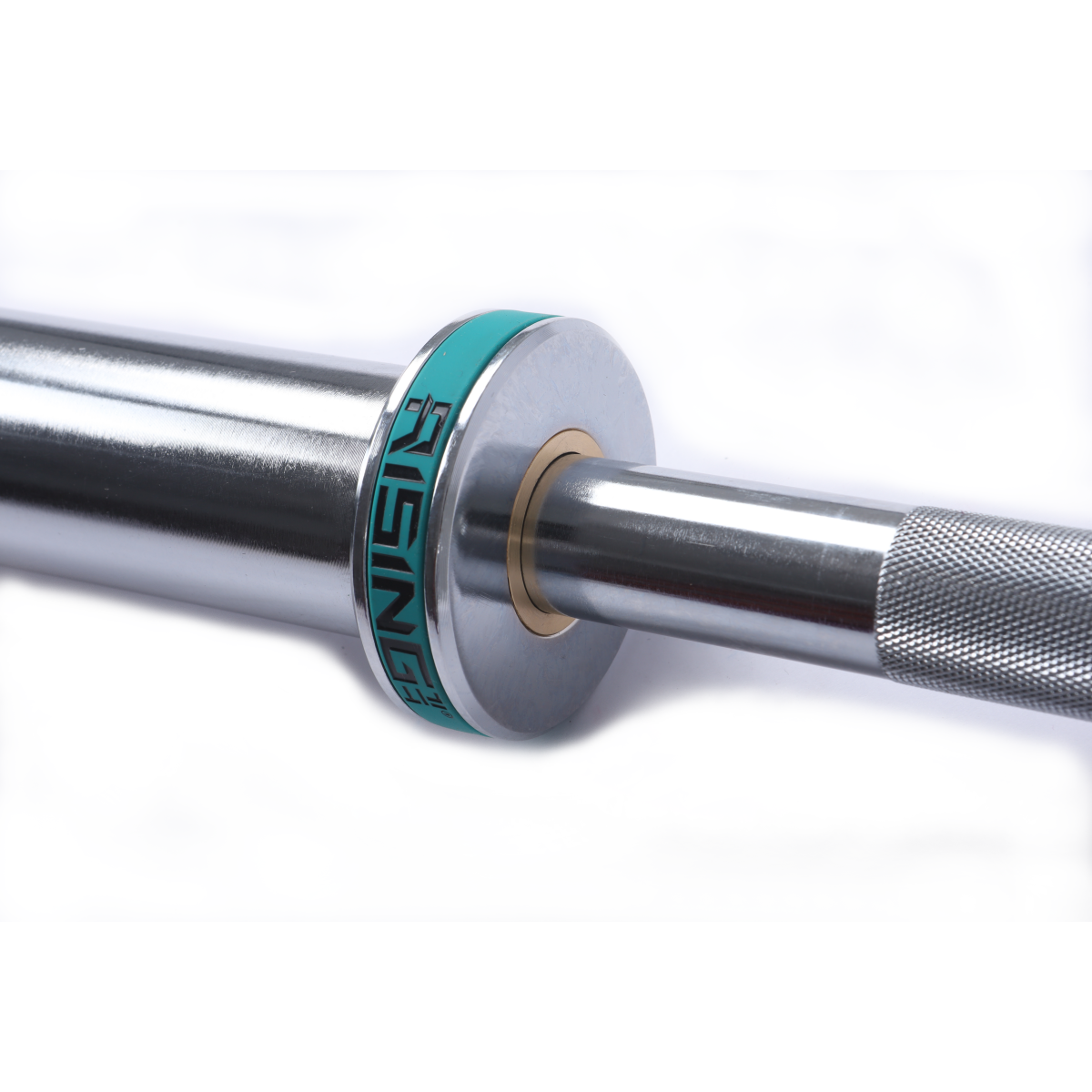
Professional strength training demands equipment that delivers consistent performance, durability, and precision. The straight barbell stands as the cornerstone of any serious weightlifting regimen, serving as the foundation for compound movements that build functional strength and muscle mass. Whether you're outfitting a commercial gym, home training space, or athletic facility, selecting the right straight barbell can significantly impact training outcomes and user safety.
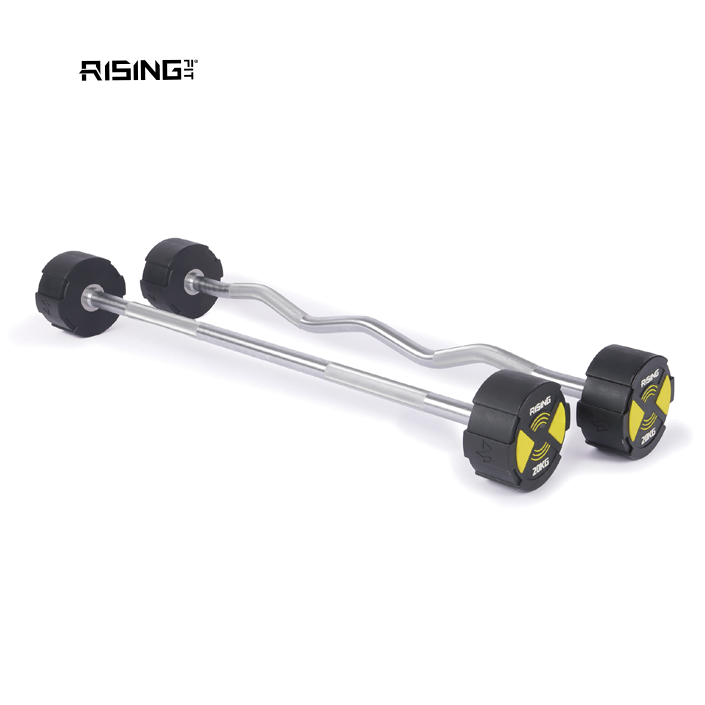
Modern fitness facilities recognize that investing in quality equipment translates directly to member satisfaction and retention. A premium straight barbell enhances the lifting experience through superior engineering, precise weight distribution, and ergonomic design features that support proper form and technique. These factors become increasingly important as training intensity and frequency increase, making equipment selection a critical business decision for fitness professionals.
Essential Design Features of Professional Straight Barbells
Shaft Construction and Materials
The shaft represents the heart of any straight barbell, determining its structural integrity and performance characteristics. High-grade steel construction provides the necessary tensile strength to withstand heavy loads while maintaining dimensional stability over thousands of training sessions. Professional-grade straight barbells typically utilize chrome-molybdenum steel or similar alloys that offer superior resistance to bending and fatigue.
Surface treatments play a crucial role in both durability and user experience. Chrome plating delivers exceptional corrosion resistance and a smooth finish that facilitates proper grip positioning. Some manufacturers incorporate specialized coatings that enhance grip texture while maintaining the smooth feel required for olympic lifting movements. The shaft diameter typically measures 28-29 millimeters for men's barbells, providing optimal grip comfort for extended training sessions.
Knurling Patterns and Grip Enhancement
Knurling serves multiple functions beyond basic grip enhancement, including hand positioning reference and load distribution across the palms. Professional straight barbells feature precisely machined knurling that balances aggressive grip with hand comfort. The pattern depth and spacing must accommodate various hand sizes while preventing excessive wear on lifting gloves or bare hands during high-volume training.
Strategic knurling placement includes center knurling for back squats and specialized grip zones for bench pressing and deadlifting. The absence of knurling in certain areas, such as the smooth sections where plates load, prevents unnecessary wear on equipment and reduces noise during plate changes. Quality straight barbells maintain consistent knurling depth across the entire grip surface, ensuring reliable performance regardless of hand position.
Weight Specifications and Load Capacity
Standard Weight Classifications
Professional straight barbells adhere to specific weight standards that ensure consistency across different manufacturers and facilities. Men's barbells typically weigh 20 kilograms (44 pounds), while women's versions weigh 15 kilograms (33 pounds). These standardized weights allow athletes to accurately calculate total loads and maintain consistent training records across different facilities and equipment brands.
Load capacity represents another critical specification, with professional-grade straight barbells supporting weights ranging from 500 to over 1000 pounds. The maximum load capacity depends on shaft construction, collar design, and overall engineering quality. Commercial facilities typically require barbells rated for at least 700 pounds to accommodate advanced lifters and ensure long-term durability under heavy use.
Collar Systems and Plate Retention
Collar systems determine how securely weight plates attach to the straight barbell, directly impacting safety and performance. Spring collars offer quick adjustment capability for training sessions involving frequent weight changes, while screw-type collars provide maximum security for heavy lifting attempts. Professional facilities often maintain both collar types to serve different training needs and user preferences.
The sleeve length accommodates various plate combinations while maintaining proper balance and handling characteristics. Standard sleeves measure approximately 16 inches, providing sufficient space for multiple plates while keeping the overall barbell length manageable. Sleeve rotation quality affects lift smoothness, particularly during dynamic movements where the plates must rotate independently of the shaft.
Manufacturing Standards and Quality Control
Precision Engineering Requirements
Manufacturing tolerances for professional straight barbells must meet stringent specifications to ensure consistent performance and safety. Shaft straightness typically maintains deviation within 0.5 millimeters across the entire length, preventing wobbling or uneven loading that could compromise lift technique. Weight distribution balance points are precisely calculated and verified to within gram-level accuracy.
Heat treatment processes enhance the metallurgical properties of the shaft steel, improving fatigue resistance and preventing permanent deformation under load. Quality manufacturers employ controlled cooling cycles and stress-relief treatments that optimize the molecular structure of the steel. These processes significantly extend the operational lifespan of the straight barbell while maintaining consistent performance characteristics.
Testing Protocols and Certification
Comprehensive testing protocols verify that each straight barbell meets or exceeds stated performance specifications. Load testing involves applying forces significantly greater than the rated capacity to ensure safety margins under extreme conditions. Fatigue testing simulates years of normal use through repetitive loading cycles that identify potential failure points before equipment reaches end users.
Third-party certification from recognized testing laboratories provides independent verification of performance claims and safety standards. These certifications become particularly important for commercial installations where liability concerns require documented proof of equipment quality and safety compliance. Regular quality audits ensure manufacturing consistency and continued adherence to established standards.
Applications Across Training Disciplines
Powerlifting and Strength Sports
Powerlifting competitions demand straight barbells that meet specific federation requirements for shaft flexibility, knurling patterns, and overall dimensions. The slight flex characteristics of competition barbells enhance lift dynamics during deadlifts while providing the rigidity necessary for bench pressing and squatting. Training facilities serving competitive powerlifters require barbells that replicate competition equipment specifications.
Strength sports applications extend beyond powerlifting to include strongman training, where straight barbells serve as foundational tools for building raw strength. The durability requirements for strongman training often exceed those of other disciplines due to the extreme loads and dynamic movements involved. Professional-grade straight barbells provide the reliability necessary for these demanding applications.
Olympic Weightlifting Compatibility
While specialized olympic bars serve dedicated weightlifting programs, many straight barbells incorporate design elements that accommodate olympic lifting movements. Sleeve rotation quality becomes critical for clean and jerk movements, where plates must rotate freely during the catch phase. The shaft whip characteristics influence lift timing and technique, particularly for snatch and clean movements.
Cross-training facilities benefit from straight barbells that bridge the gap between powerlifting and olympic lifting requirements. These versatile barbells allow facilities to serve diverse training populations without maintaining separate equipment inventories for each discipline. The design compromises required for this versatility must be carefully balanced to maintain effectiveness across applications.
Facility Integration and Programming Considerations
Equipment Compatibility and Storage
Integration with existing facility equipment requires consideration of rack compatibility, storage systems, and maintenance protocols. Straight barbells must fit properly in power racks, squat stands, and bench press stations without excessive clearance issues or safety concerns. Storage solutions should protect the barbell finish while providing easy access for users and staff.
Weight plate compatibility extends beyond basic diameter matching to include consideration of plate thickness, collar clearance, and loading convenience. Facilities using multiple plate brands must ensure that straight barbells accommodate the full range of equipment in their inventory. This compatibility prevents training disruptions and maintains consistent user experiences across different workout stations.
Maintenance and Longevity Programs
Proactive maintenance programs significantly extend straight barbell lifespan while preserving performance characteristics. Regular cleaning protocols remove chalk residue, sweat deposits, and other contaminants that can accelerate corrosion and degrade knurling effectiveness. Periodic inspection schedules identify wear patterns and potential issues before they compromise safety or performance.
Rotation scheduling distributes usage across multiple straight barbells, preventing excessive wear on individual units while ensuring consistent availability for users. Documentation of maintenance activities and usage patterns provides valuable data for replacement planning and warranty claims. These systematic approaches maximize return on equipment investments while maintaining high safety standards.
Selection Criteria for Different Facility Types
Commercial Gym Requirements
Commercial fitness facilities require straight barbells that balance durability, user satisfaction, and cost-effectiveness. High-volume usage patterns demand equipment capable of withstanding constant use by individuals with varying skill levels and training intensities. The straight barbell selection must accommodate the broadest possible range of users while maintaining consistent performance characteristics.
Aesthetic considerations become important in commercial environments where equipment appearance influences member perceptions of facility quality. Chrome finishes and polished surfaces project a professional image while providing practical benefits in terms of corrosion resistance and cleaning convenience. The visual appeal of equipment contributes to overall facility atmosphere and member retention rates.
Specialized Training Facility Needs
Athletic training facilities serving specific sports or performance goals may require straight barbells with specialized characteristics. Collegiate and professional sports programs often specify equipment that matches competition standards or supports sport-specific training protocols. These specialized requirements may justify higher equipment costs in exchange for enhanced training specificity.
Rehabilitation and physical therapy facilities need straight barbells that accommodate progressive loading protocols and special population needs. Lighter weight options, enhanced grip features, and safety modifications may be necessary to serve patients with injuries or physical limitations. The versatility of quality straight barbells allows them to serve therapeutic applications alongside traditional strength training.
Cost Analysis and Investment Planning
Initial Equipment Investment
Professional-grade straight barbells represent significant capital investments that require careful financial planning and specification analysis. Price ranges vary considerably based on construction quality, manufacturing standards, and brand reputation. Facilities must balance initial costs against expected lifespan and performance requirements to optimize long-term value.
Volume purchasing opportunities can reduce per-unit costs for facilities requiring multiple straight barbells. Many manufacturers offer quantity discounts and package deals that include accessories such as collars, storage racks, and maintenance supplies. These bundled offerings often provide better overall value than purchasing individual components separately.
Long-term Ownership Costs
Total cost of ownership extends beyond initial purchase price to include maintenance, replacement parts, and eventual equipment retirement. High-quality straight barbells typically require minimal maintenance while providing extended service life that reduces replacement frequency. The superior durability of premium equipment often justifies higher initial costs through reduced long-term ownership expenses.
Warranty coverage and manufacturer support services provide additional value that should be factored into purchase decisions. Comprehensive warranties protect against manufacturing defects while extended support services ensure continued equipment availability and performance. These factors become particularly important for facilities operating on tight budgets with limited equipment replacement flexibility.
FAQ
What weight capacity should I look for in a professional straight barbell
Professional straight barbells should support a minimum of 700 pounds to accommodate advanced lifters and ensure durability under heavy use. Commercial facilities typically benefit from barbells rated for 800-1000 pounds, providing safety margins and extended service life. The load capacity depends on shaft construction, collar design, and overall engineering quality, with higher ratings generally indicating superior manufacturing standards.
How do I determine the right knurling pattern for my facility
Knurling selection depends on your primary user base and training applications. Moderate knurling works well for general fitness populations, providing adequate grip without causing excessive hand wear. Aggressive knurling suits powerlifting and serious strength training but may be uncomfortable for beginners. Consider offering multiple straight barbells with different knurling patterns to accommodate diverse user preferences and training styles.
What maintenance is required for professional straight barbells
Regular maintenance includes daily cleaning to remove chalk and sweat residue, weekly detailed cleaning with appropriate solvents, and monthly inspection for wear or damage. Proper storage in dry conditions prevents corrosion, while rotation scheduling distributes usage across multiple units. Professional facilities should maintain cleaning logs and inspection records to ensure consistent care and identify replacement needs before safety becomes compromised.
Are there specific certifications I should look for when purchasing straight barbells
Look for straight barbells tested and certified by recognized standards organizations such as IWF (International Weightlifting Federation) or IPF (International Powerlifting Federation) for competitive applications. Third-party testing certifications verify load capacity claims and safety standards. Commercial facilities should prioritize equipment meeting relevant safety standards and backed by comprehensive warranties from established manufacturers with proven track records in professional fitness equipment.
Table of Contents
- Essential Design Features of Professional Straight Barbells
- Weight Specifications and Load Capacity
- Manufacturing Standards and Quality Control
- Applications Across Training Disciplines
- Facility Integration and Programming Considerations
- Selection Criteria for Different Facility Types
- Cost Analysis and Investment Planning
- FAQ