 EN
EN


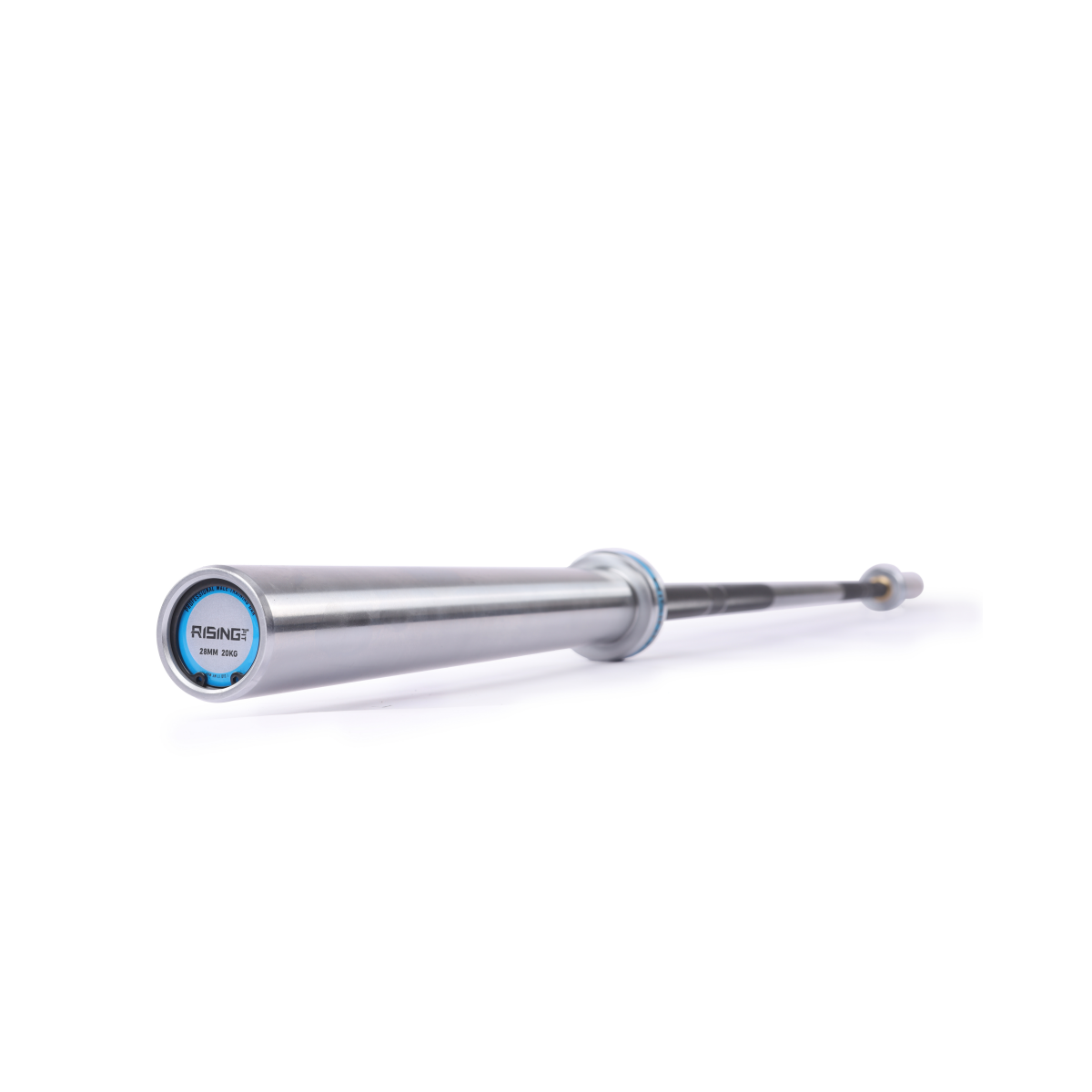
The straight barbell remains the cornerstone of serious strength training, offering unmatched versatility and effectiveness for building muscle mass and developing raw power. Whether you're a seasoned powerlifter or a fitness enthusiast looking to maximize your training results, understanding the unique advantages of straight barbell exercises can transform your workout routine. This foundational piece of equipment has dominated gym floors for decades, and for good reason—its simple design facilitates complex movement patterns that engage multiple muscle groups simultaneously.
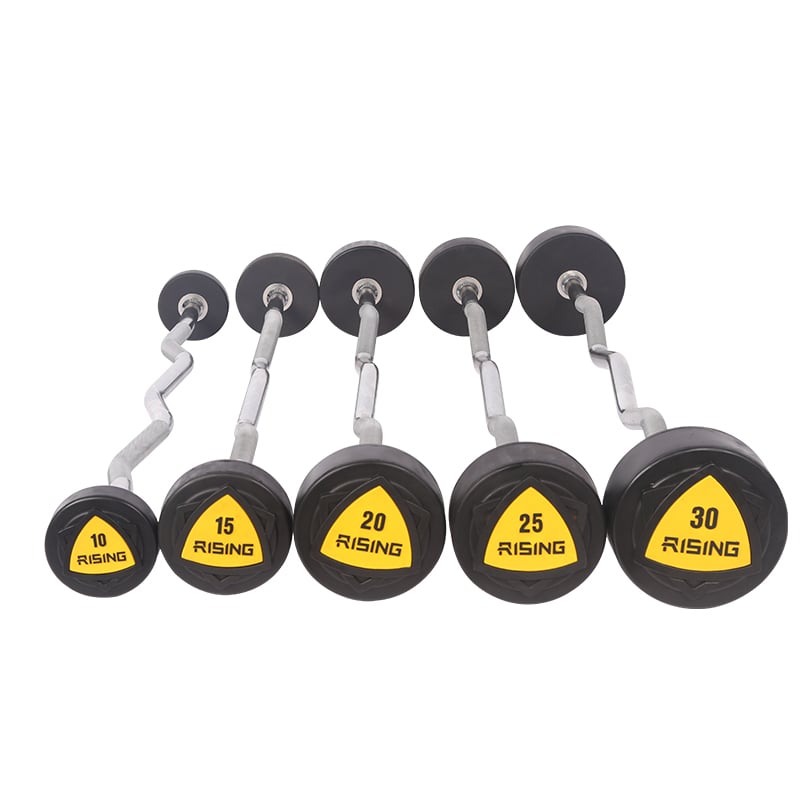
Training with a straight barbell provides unparalleled stability and control during heavy lifting sessions. The rigid construction allows athletes to load significant weight while maintaining proper form, making it essential for progressive overload training. Unlike other equipment variations, a straight barbell distributes load evenly across the grip, reducing stress on individual joints while maximizing force production through coordinated muscle activation.
Fundamental Advantages of Straight Barbell Training
Superior Load Capacity and Progressive Overload
The straight barbell excels in accommodating heavy loads that would be impossible to achieve with dumbbells or other training tools. This capacity for substantial weight loading makes it indispensable for strength athletes pursuing maximum power development. The barbell's design allows for precise weight increments, enabling systematic progression that drives continuous adaptation and muscle growth over time.
Progressive overload becomes more manageable with a straight barbell because you can add small increments of weight regularly. Standard Olympic plates come in various sizes, from 2.5-pound increments to 45-pound plates, allowing for customized loading strategies. This flexibility supports both beginner progression and advanced periodization schemes used by competitive athletes.
Enhanced Bilateral Strength Development
Bilateral training with a straight barbell promotes balanced muscle development across both sides of the body simultaneously. This approach prevents strength imbalances that commonly develop when training with unilateral equipment. The fixed grip position ensures equal contribution from both arms and legs during compound movements, creating symmetrical adaptation patterns.
The neurological benefits of bilateral straight barbell training extend beyond simple muscle activation. The central nervous system learns to coordinate complex movement patterns involving multiple joint systems, improving overall athletic performance and functional strength. This neurological adaptation transfers effectively to sports performance and daily activities requiring coordinated effort.
Primary Compound Movements and Their Benefits
Deadlifts and Posterior Chain Development
Deadlifts performed with a straight barbell represent one of the most effective exercises for developing the posterior chain muscles. This movement pattern engages the hamstrings, glutes, erector spinae, and upper back muscles in a coordinated effort that builds functional strength. The straight barbell allows for optimal grip positioning and load distribution during this fundamental movement.
The biomechanical advantages of using a straight barbell for deadlifts include improved leverage and stability compared to other loading methods. The fixed bar position maintains consistent load placement throughout the range of motion, reducing unwanted torque on the spine while maximizing force production from the target muscle groups.
Squats for Lower Body Power
Back squats with a straight barbell provide comprehensive lower body development while challenging core stability and spinal erectors. The barbell's placement across the upper trapezius creates an optimal loading pattern that promotes knee and hip extension strength. This exercise builds functional leg power that translates directly to athletic performance and everyday movement patterns.
Front squats using a straight barbell offer additional benefits for quadriceps development and core strengthening. The anterior loading position requires enhanced thoracic extension and abdominal bracing, creating a more upright torso position. This variation particularly benefits athletes seeking improved squat depth and anterior core strength development.
Upper Body Strength and Muscle Building
Bench Press Variations for Chest Development
The bench press remains the gold standard for upper body strength assessment, and the straight barbell facilitates optimal performance in this fundamental exercise. The fixed grip width allows for consistent muscle recruitment patterns while accommodating various grip positions to target different areas of the chest, shoulders, and triceps. This versatility makes straight barbell bench pressing essential for comprehensive upper body development.
Incline and decline variations with a straight barbell provide targeted muscle stimulation across different portions of the pectorals. The barbell's stability during these movements allows for heavier loading compared to dumbbell alternatives, promoting greater strength gains and muscle hypertrophy. The bilateral nature of the movement also enhances pressing power through coordinated muscle activation.
Rowing Movements for Back Strength
Bent-over rows using a straight barbell effectively target the latissimus dorsi, rhomboids, and middle trapezius muscles. The barbell's length allows for various grip widths, enabling targeted development of different back muscle regions. This exercise builds the pulling strength necessary to balance pressing movements and maintain proper shoulder positioning.
Upright rows and high pulls with a straight barbell develop explosive pulling power while strengthening the upper trapezius and deltoids. These Olympic lift derivatives teach rapid force production and improve athletic power output. The straight barbell's balanced loading creates optimal conditions for learning these technically demanding movements.
Technical Considerations and Form Optimization
Grip Positioning and Hand Placement
Proper grip positioning on a straight barbell significantly impacts exercise effectiveness and injury prevention. The knurled surface provides secure hand placement, while grip width variations allow for targeted muscle emphasis. Understanding optimal grip positions for different exercises maximizes training benefits and reduces joint stress during heavy lifting sessions.
Hand positioning affects muscle recruitment patterns across various straight barbell exercises. Wider grips typically emphasize outer muscle portions, while narrower grips target inner regions and promote greater range of motion. Experimenting with grip variations within safe parameters allows for comprehensive muscle development and prevents adaptive plateaus.
Load Distribution and Balance
The straight barbell's design ensures even weight distribution across the lifting platform, creating stable loading conditions for heavy training. This balanced distribution reduces unwanted rotation or tipping that can occur with asymmetrical loading. Proper plate loading techniques maintain barbell balance and optimize lifting mechanics throughout the range of motion.
Center of gravity considerations become crucial when loading a straight barbell for different exercises. Understanding how weight placement affects movement dynamics helps optimize exercise selection and progression schemes. The barbell's fixed center point provides consistent reference for maintaining proper body positioning during complex lifts.
Programming Strategies and Training Applications
Periodization with Straight Barbell Exercises
Effective periodization schemes utilize straight barbell exercises as primary movements due to their capacity for precise load manipulation. The ability to make small weight increments supports both linear and undulating periodization models. This flexibility allows coaches and athletes to design sophisticated training programs that optimize adaptation while managing fatigue accumulation.
Straight barbell movements serve as excellent indicators of strength progression throughout training cycles. Benchmark lifts like the squat, bench press, and deadlift provide objective measures of training effectiveness. Regular testing with these movements helps guide programming adjustments and ensures continued progress toward strength and physique goals.
Integration with Accessory Work
Straight barbell exercises form the foundation of effective training programs, with accessory movements supporting and enhancing primary lift performance. The compound nature of barbell exercises addresses multiple muscle groups simultaneously, creating time-efficient workouts that maximize training impact. This efficiency makes straight barbell training particularly valuable for athletes with limited training time.
The neurological demands of straight barbell training complement accessory work by establishing movement patterns and coordination. Primary barbell movements teach fundamental motor skills that transfer to assistance exercises and sport-specific activities. This transfer effect enhances overall training quality and athletic development across multiple performance domains.
Safety Considerations and Injury Prevention
Proper Setup and Equipment Maintenance
Safety with straight barbell training begins with proper equipment setup and maintenance protocols. Regular inspection of barbells for damage, proper collar placement, and appropriate rack positioning reduces injury risk during heavy lifting sessions. Understanding equipment limitations and load capacities prevents dangerous situations and equipment failure during training.
Spotting techniques become particularly important when training with a straight barbell due to the heavy loads typically involved. Proper communication between lifter and spotter, understanding of lift biomechanics, and appropriate spotting positions ensure safe training environments. These safety protocols enable confident progression and reduce training interruptions due to injury.
Movement Quality and Technical Proficiency
Maintaining high movement quality standards prevents injury and optimizes training adaptations when using a straight barbell. The fixed nature of the barbell requires precise body positioning and coordinated muscle activation throughout exercise ranges of motion. Developing technical proficiency before pursuing maximum loads ensures long-term training success and injury prevention.
Progressive skill development with straight barbell exercises follows logical learning sequences that build complexity gradually. Beginning with bodyweight movements, progressing to empty barbell practice, and systematically adding load allows for proper motor pattern development. This methodical approach creates solid technical foundations that support advanced training protocols and heavy loading phases.
FAQ
What makes a straight barbell superior to other barbell types
A straight barbell offers superior versatility and loading capacity compared to curved or specialty bars. The straight design allows for natural grip positioning across multiple exercises while accommodating heavier weights than most alternative barbell types. This combination of versatility and load capacity makes it the most practical choice for comprehensive strength training programs.
How often should I incorporate straight barbell exercises into my training
Most effective strength training programs include straight barbell exercises 2-4 times per week, depending on training experience and recovery capacity. Beginners benefit from more frequent practice with lighter loads to develop technique, while advanced lifters may require more recovery time between heavy barbell sessions. The key is balancing training stimulus with adequate recovery for optimal adaptation.
Can straight barbell training replace all other exercise equipment
While straight barbell training provides exceptional muscle-building and strength-developing benefits, a completely well-rounded program benefits from some exercise variety. However, the straight barbell can serve as the primary training tool for most individuals, providing the majority of their strength training needs. Additional equipment like pull-up bars and adjustable benches complement barbell training effectively.
What weight should beginners start with when using a straight barbell
Beginners should start with just the empty barbell weight, which typically ranges from 35-45 pounds for standard Olympic bars. This starting point allows for proper technique development without excessive load stress on joints and connective tissues. Progressive weight additions of 5-10 pounds per week provide sustainable strength gains while maintaining movement quality and reducing injury risk.