 EN
EN


Maximizing Gym Floor Space with Strategic Storage Solutions
The modern fitness facility faces an ongoing challenge of optimizing limited floor space while providing members with comprehensive equipment options. Dumbbell racks have emerged as a critical solution for gym owners and managers looking to create efficient, organized, and space-conscious workout environments. These essential storage systems do more than simply hold weights – they transform how gyms utilize their available space and enhance the overall training experience.
With the growing demand for diverse workout options and the need to accommodate more members, every square foot of gym space counts. Dumbbell racks offer innovative storage solutions that can dramatically impact a facility's layout, flow, and functionality. Understanding how these storage systems contribute to space optimization can help fitness facility managers make informed decisions about their equipment organization strategy.
Design Features That Enhance Space Efficiency
Vertical Storage Optimization
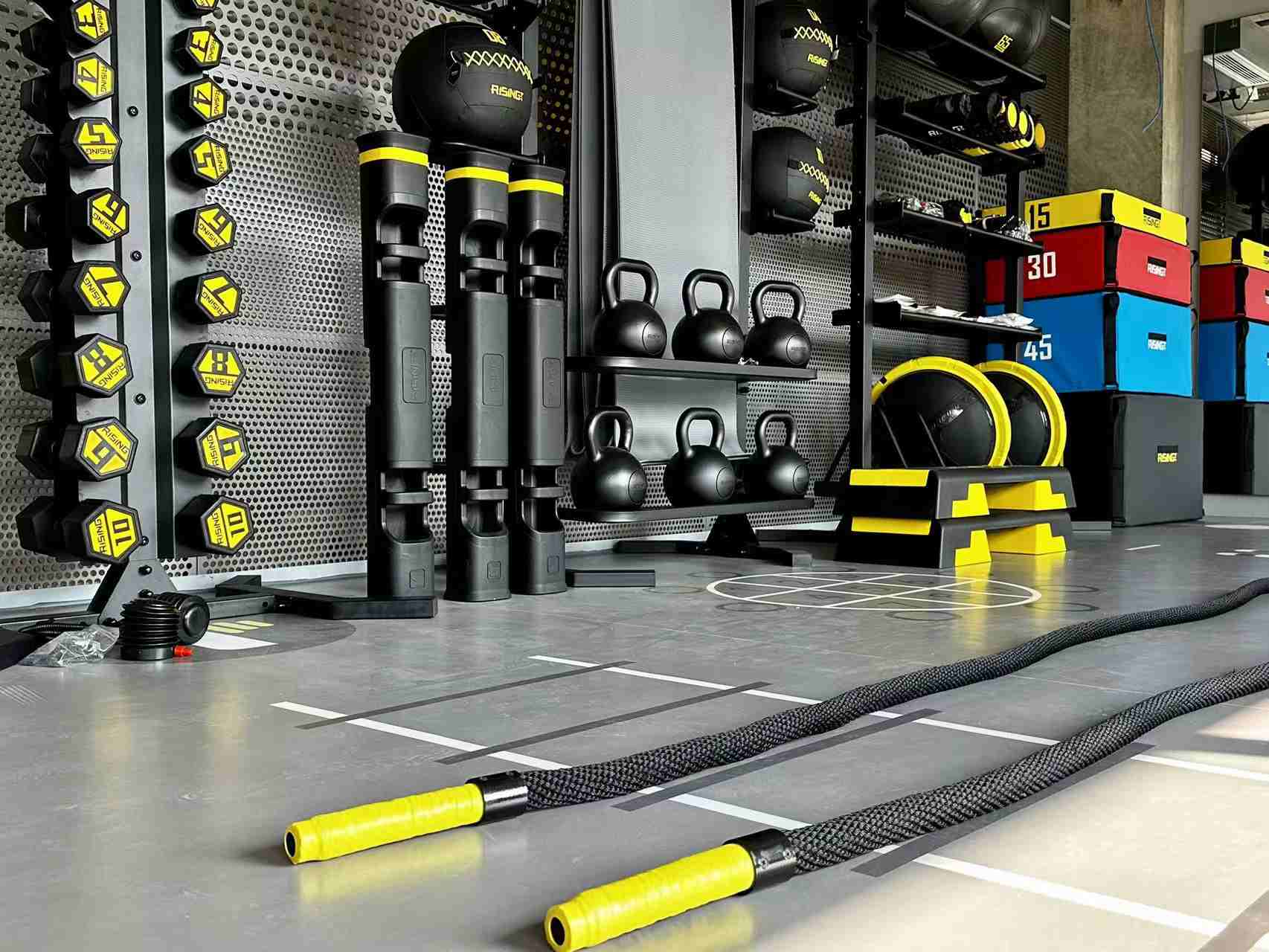
Modern dumbbell racks utilize vertical space effectively through tiered designs that stack weights at different heights. This vertical arrangement allows gyms to store a complete set of dumbbells while minimizing the horizontal footprint. Premium dumbbell racks often feature two to three tiers, enabling storage of up to 20 pairs of dumbbells in a space that would traditionally accommodate only 6-8 pairs.
The vertical design also improves accessibility, as users can easily identify and select their desired weights without having to bend down repeatedly or move other equipment out of the way. This efficient arrangement not only saves space but also reduces wear and tear on both the equipment and the gym floor.
Modular Configuration Options
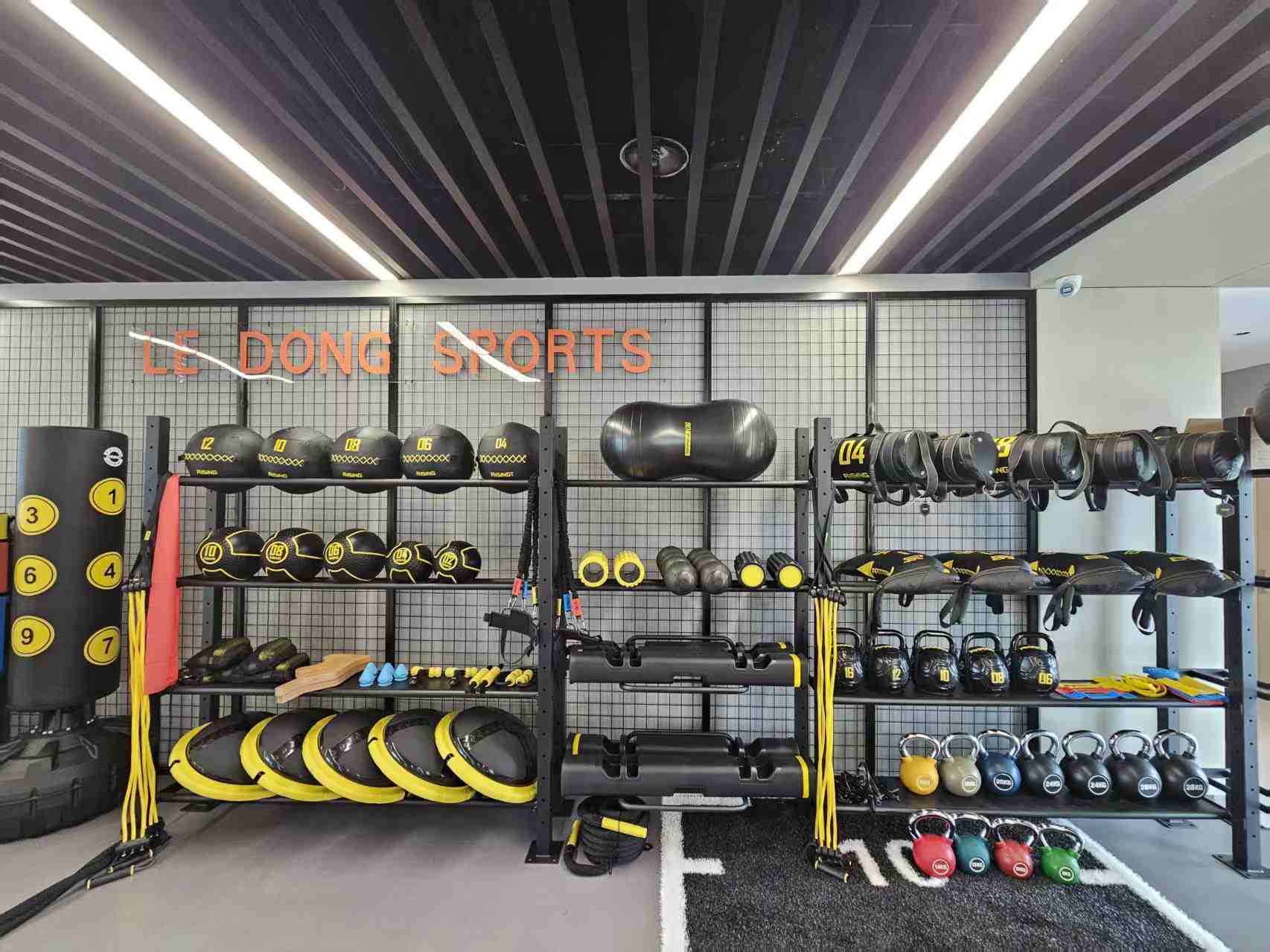
Contemporary dumbbell racks offer modular designs that can be customized to fit specific spaces and needs. These adaptable systems allow gym owners to create storage solutions that work with their unique floor plans and member traffic patterns. The ability to combine different rack components enables facilities to maximize corner spaces, utilize wall areas effectively, and create efficient workout zones.
Some modular systems even feature adjustable components that can be reconfigured as needed, providing flexibility as a gym's requirements change over time. This adaptability ensures that the investment in storage solutions remains valuable even as the facility evolves.
Smart Layout Strategies for Maximum Efficiency
Strategic Placement Considerations
The positioning of dumbbell racks plays a crucial role in optimizing gym space. Experienced facility managers place racks along walls or in designated free weight areas to create clear traffic flow patterns. This strategic placement ensures that members can access weights without creating congestion or interfering with other activities.
Additionally, considering the relationship between dumbbell racks and other equipment helps create efficient workout zones. Placing racks near adjustable benches and mirrors optimizes the use of space while enhancing the user experience. This thoughtful arrangement minimizes the distance members need to travel between exercises, improving workout efficiency and safety.
Traffic Flow Management
Well-designed dumbbell rack layouts contribute to smooth traffic flow throughout the facility. By creating dedicated zones for free weight exercises, gyms can prevent bottlenecks and reduce the risk of accidents. The arrangement of racks should allow multiple users to access weights simultaneously while maintaining safe distances between exercising members.
Professional gym designers recommend allowing adequate space around dumbbell racks for users to perform exercises safely without impeding access to the weights. This careful planning ensures that the space-saving benefits of the racks don't come at the expense of functionality or safety.
Maintenance and Organization Benefits
Equipment Longevity
Proper storage systems extend the life of dumbbells and protect the gym's investment in equipment. Quality dumbbell racks feature protective coating and cushioning that prevent damage to both the weights and the rack itself. When dumbbells are stored correctly, they're less likely to be dropped or mishandled, reducing maintenance costs and replacement needs.
Regular organization also makes it easier for staff to conduct equipment checks and maintain accurate inventory. This systematic approach to storage helps identify missing or damaged dumbbells quickly, ensuring that the facility maintains a complete set of weights for members to use.
Cleaning and Safety Protocols
Organized dumbbell storage facilitates efficient cleaning and sanitization procedures. With weights properly racked, staff can easily access all areas for regular cleaning, maintaining hygiene standards that are crucial in modern fitness facilities. The structured storage system also reduces tripping hazards and potential injuries from misplaced weights.
Well-maintained racks with clear weight indicators help members return equipment to its proper place, promoting a culture of organization and respect for shared equipment. This self-regulating system reduces the time staff spend reorganizing weights and allows them to focus on other important tasks.
Frequently Asked Questions
What types of dumbbell racks are most space-efficient for small gyms?
For small gyms, vertical two-tier or three-tier dumbbell racks with a compact footprint are most effective. Look for models with angled shelves and clear weight indicators that can accommodate a full range of weights while occupying minimal floor space.
How much clearance space should be maintained around dumbbell racks?
A minimum of 4-6 feet of clearance should be maintained around dumbbell racks to allow safe access and movement. This space ensures multiple users can access weights simultaneously while maintaining proper form during exercises.
Can dumbbell racks be combined with other storage solutions?
Yes, many modern dumbbell racks can be integrated with other storage systems such as kettlebell holders or medicine ball storage. This combination approach maximizes vertical space usage and creates comprehensive storage solutions for various free weights.