 EN
EN


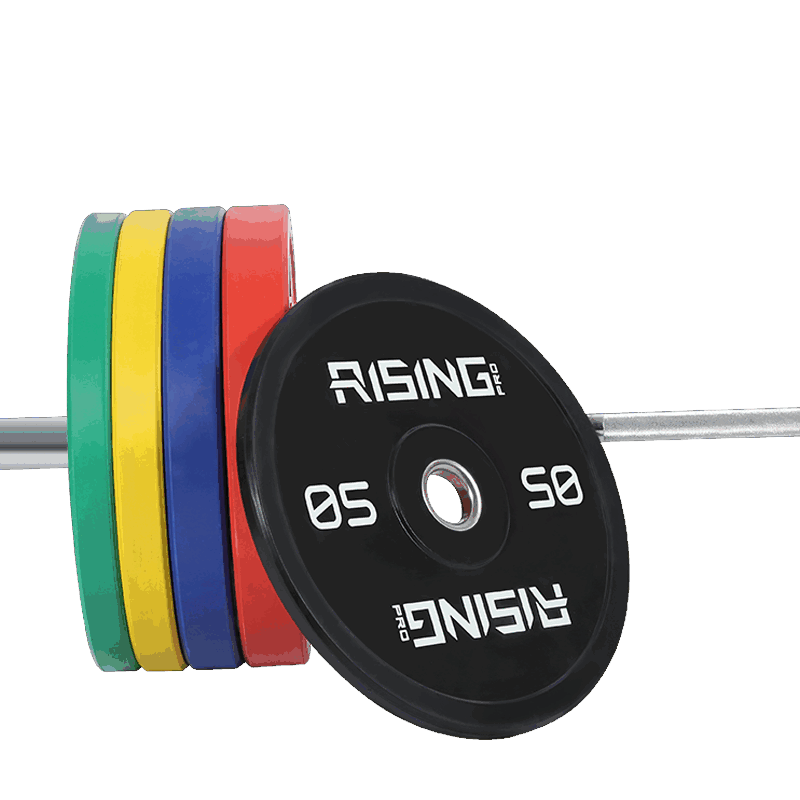
Understanding the Engineering Behind Protective Weight Training Equipment
When it comes to weight training, especially Olympic lifts and CrossFit workouts, bumper plates have revolutionized how we approach dropping weights. These specialized training tools are designed with specific materials and engineering principles that make them essential for both home gyms and commercial facilities. The innovative construction of bumper plates serves multiple crucial purposes, from protecting expensive flooring to creating a safer, more enjoyable training environment for everyone.
The science behind bumper plates involves careful material selection and precise manufacturing processes that result in equipment that can withstand repeated impacts while dispersing force effectively. Unlike traditional iron plates, bumper plates are engineered to bounce predictably and absorb shock, making them indispensable for technical lifting movements and high-intensity training sessions.
Material Composition and Impact Absorption
Core Materials and Their Properties
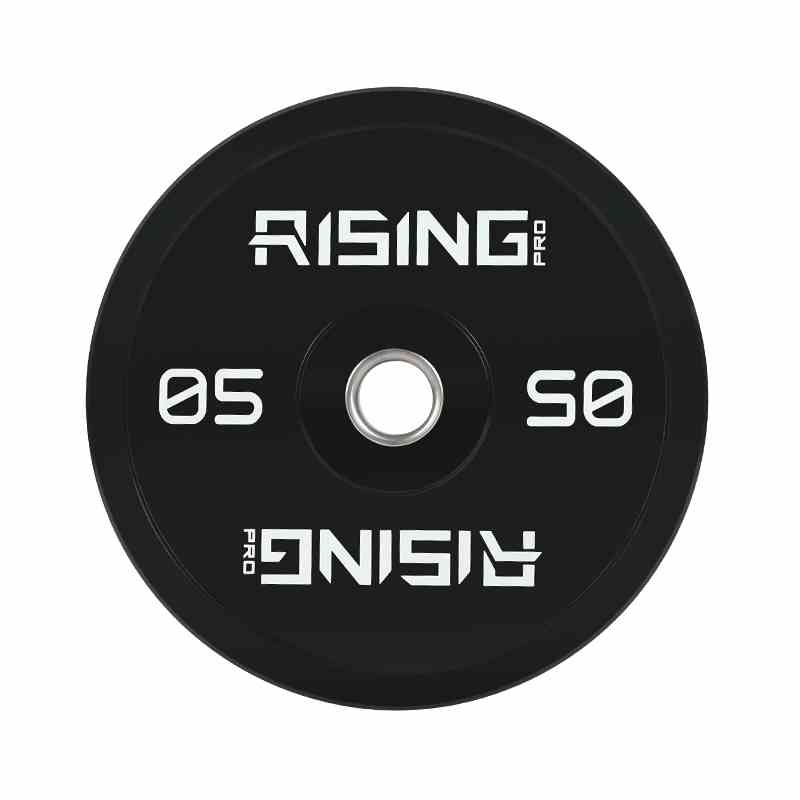
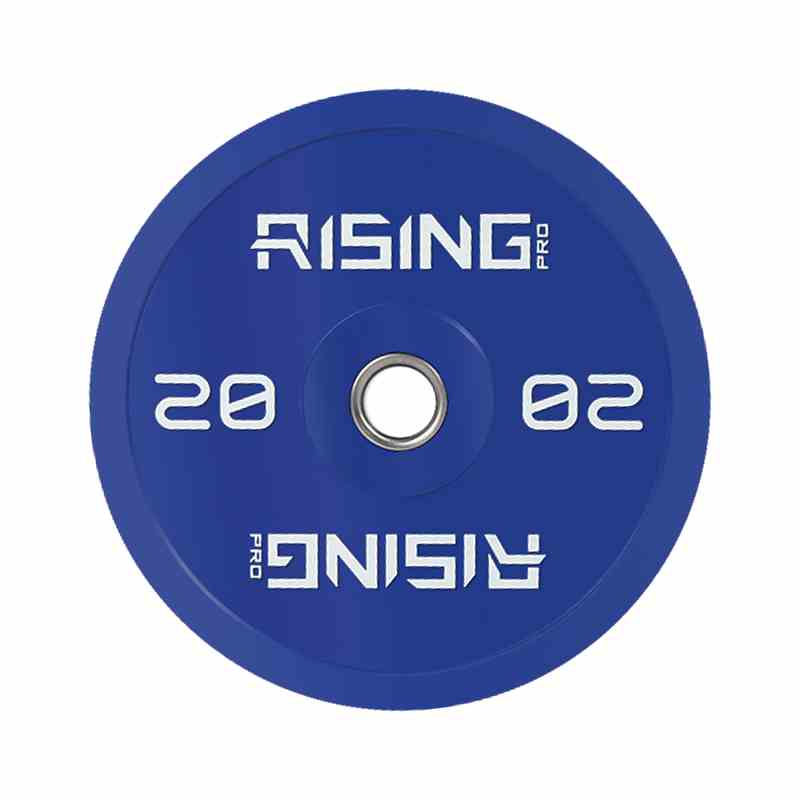
Bumper plates are primarily constructed using virgin rubber or recycled rubber compounds. The density and durability of these materials are carefully calibrated to achieve the perfect balance between weight accuracy and shock absorption. High-quality bumper plates often utilize virgin rubber, which offers superior elasticity and longevity compared to recycled alternatives.
The rubber compound is molded around a stainless steel core, ensuring the plate maintains its shape and weight distribution while providing the necessary durability for repeated drops. This combination of materials allows bumper plates to absorb impact energy efficiently while maintaining their structural integrity over thousands of uses.
Impact Force Distribution Technology
The engineering behind bumper plates includes sophisticated impact force distribution systems. When a loaded barbell hits the ground, the rubber exterior of the bumper plates compresses and deforms slightly, spreading the force of impact across a larger surface area. This distribution mechanism significantly reduces the peak force transmitted to the floor.
Advanced bumper plates feature specially designed internal structures that enhance their force-dissipating properties. These may include reinforced cores, strategically placed air pockets, or varying density zones that work together to minimize floor impact while ensuring consistent performance.
Noise Reduction Mechanisms
Sound Wave Absorption
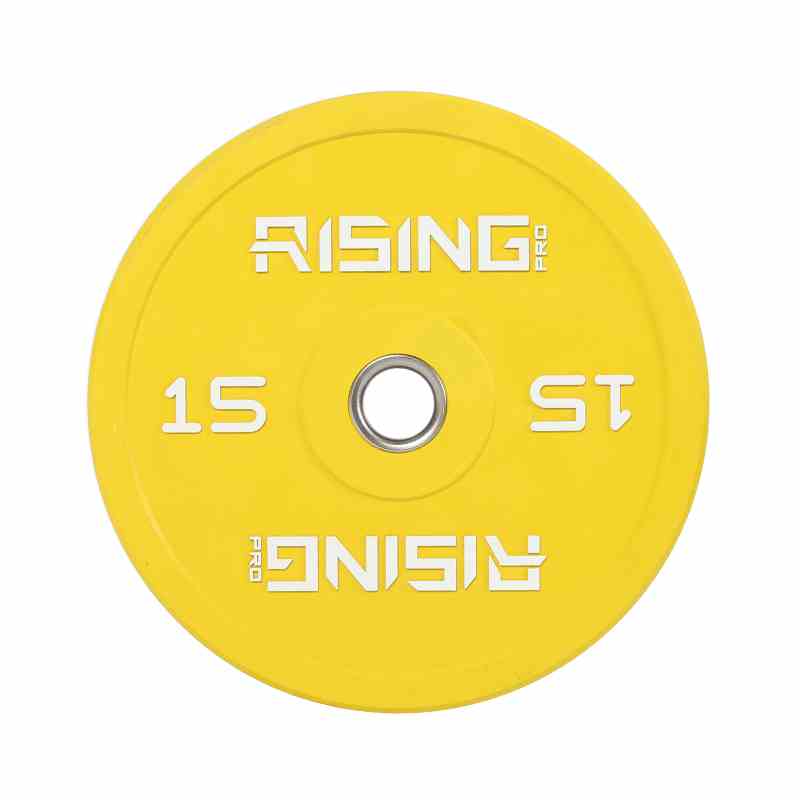
The rubber composition of bumper plates plays a crucial role in sound dampening. When weights are dropped, the rubber material absorbs much of the sound energy that would typically create loud, sharp noises with traditional iron plates. This absorption occurs through the conversion of kinetic energy into heat within the rubber matrix, resulting in significantly reduced noise levels.
Different shore durometer ratings in the rubber compounds affect how effectively bumper plates can absorb sound. Manufacturers often experiment with various rubber formulations to find the optimal balance between durability and noise reduction properties.
Vibration Control Features
Beyond simple sound absorption, bumper plates incorporate specific design elements to control vibrations. The thickness and density of the rubber exterior are carefully calculated to minimize vibration transfer to the floor and surrounding environment. This design consideration is particularly important in multi-story buildings or facilities where vibration control is essential.
Some premium bumper plates feature additional vibration-dampening layers or specialized edge designs that further reduce the transmission of impact forces and associated noise. These features work together to create a more pleasant training environment while protecting the structural integrity of the facility.
Floor Protection Systems
Surface Contact Design
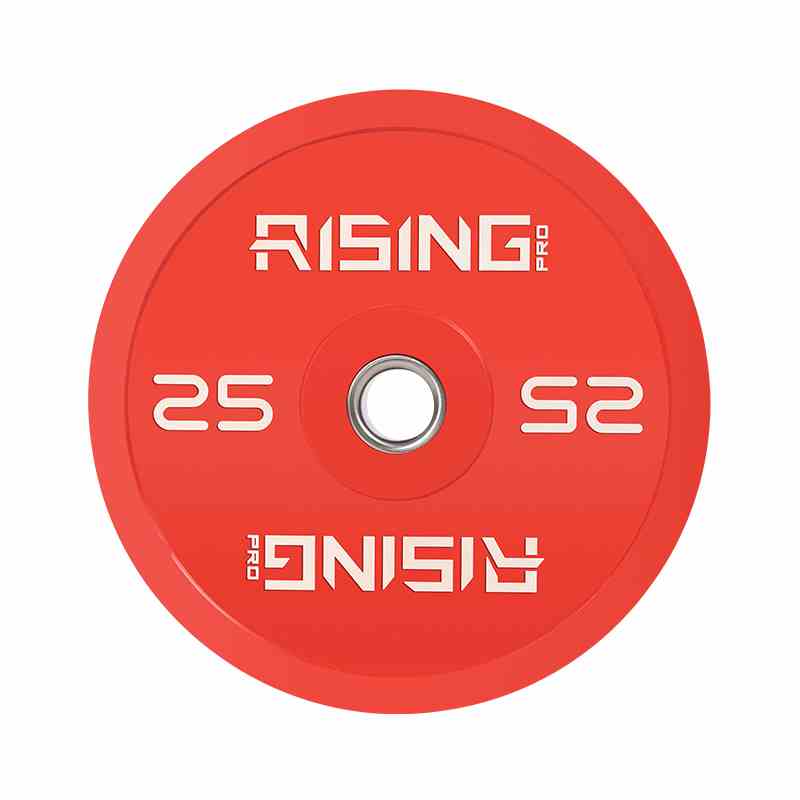
The exterior surface of bumper plates is engineered with specific textures and patterns that optimize floor protection. These design elements help distribute weight evenly and prevent direct hard contact between the plate and the floor surface. The slight flexibility of the rubber allows it to conform minimally to floor irregularities, reducing point loading and potential damage.
Many bumper plates also incorporate raised edges or textured patterns that reduce the total contact area with the floor, further minimizing the risk of damage from impacts. This thoughtful design approach ensures that even under heavy use, the floor beneath remains protected.
Impact Zone Engineering
The impact zones of bumper plates are specifically reinforced to handle repeated drops while maintaining their protective properties. Manufacturers often incorporate additional material or varying densities in these areas to enhance durability without compromising shock absorption capabilities. This targeted engineering ensures consistent performance and floor protection throughout the life of the plate.
Advanced bumper plates may also feature graduated density zones, with softer outer layers for initial impact absorption transitioning to firmer inner layers for structural stability. This layered approach maximizes both protection and longevity.
Maintenance and Longevity
Care Requirements
To maintain their protective properties, bumper plates require specific care and attention. Regular cleaning with appropriate solutions helps prevent rubber degradation and ensures optimal performance. Proper storage away from direct sunlight and extreme temperatures can significantly extend the life of the plates and their protective capabilities.
Routine inspection for signs of wear or damage is essential, as compromised bumper plates may not provide adequate floor protection or noise reduction. Understanding and following manufacturer maintenance guidelines helps preserve both the functional and protective aspects of the equipment.
Performance Monitoring
Regular assessment of bumper plate performance helps identify when replacement or rotation may be necessary. Monitoring bounce characteristics, noise levels, and impact absorption can indicate whether plates are maintaining their protective properties. This proactive approach helps maintain a safe and effective training environment while protecting facility infrastructure.
Establishing a systematic rotation schedule for frequently used bumper plates can help distribute wear evenly and extend their service life. This practice ensures consistent protection and performance across all training sessions.
Frequently Asked Questions
How long do bumper plates typically last?
Quality bumper plates can last 3-5 years or more with proper care and maintenance. The lifespan depends on factors such as usage frequency, dropping height, and storage conditions. Regular rotation and proper technique can significantly extend their durability.
Can bumper plates be used on any floor surface?
While bumper plates provide significant floor protection, they should ideally be used on appropriate lifting platforms or rubber flooring for maximum protection. However, they can be safely used on most solid surfaces when proper technique and additional floor protection are employed.
What makes competition bumper plates different from training versions?
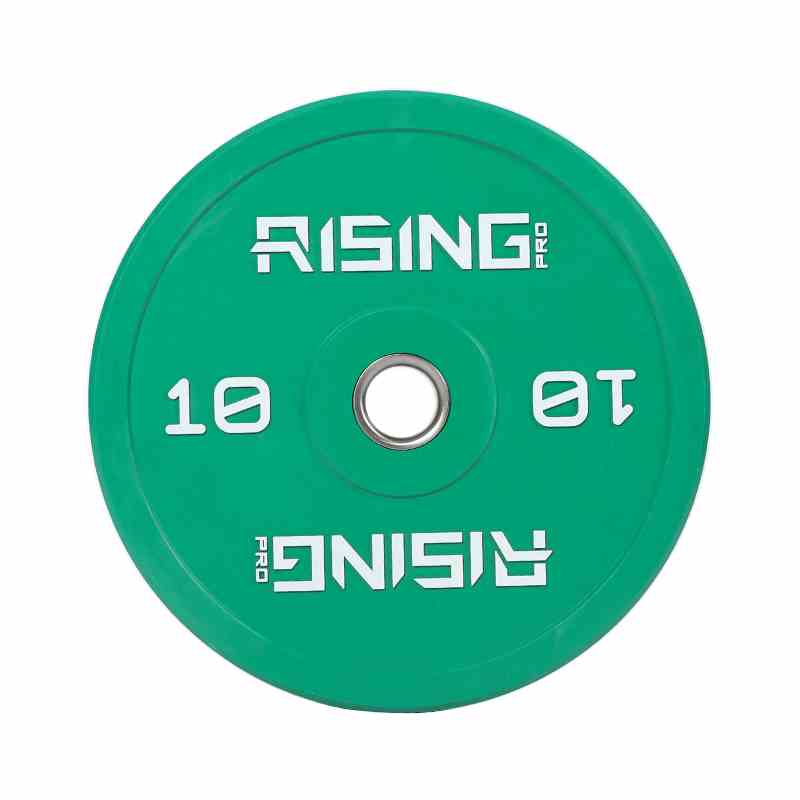
Competition bumper plates typically feature higher durometer ratings, stricter weight tolerances, and standardized diameters. While they may be slightly louder than training plates, they often incorporate advanced materials and construction techniques for enhanced durability and performance.