 EN
EN


Understanding the Financial Benefits of Premium Gym Equipment
When outfitting a fitness facility or home gym, the choice of equipment can significantly impact both immediate costs and long-term financial outcomes. Commercial weight plates represent a substantial initial investment, but their durability, performance, and longevity offer compelling economic advantages that become apparent over time. This comprehensive analysis explores why investing in commercial weight plates proves to be a cost-effective decision for gym owners, fitness centers, and serious fitness enthusiasts.
Quality Construction and Material Benefits
Superior Materials and Manufacturing Process
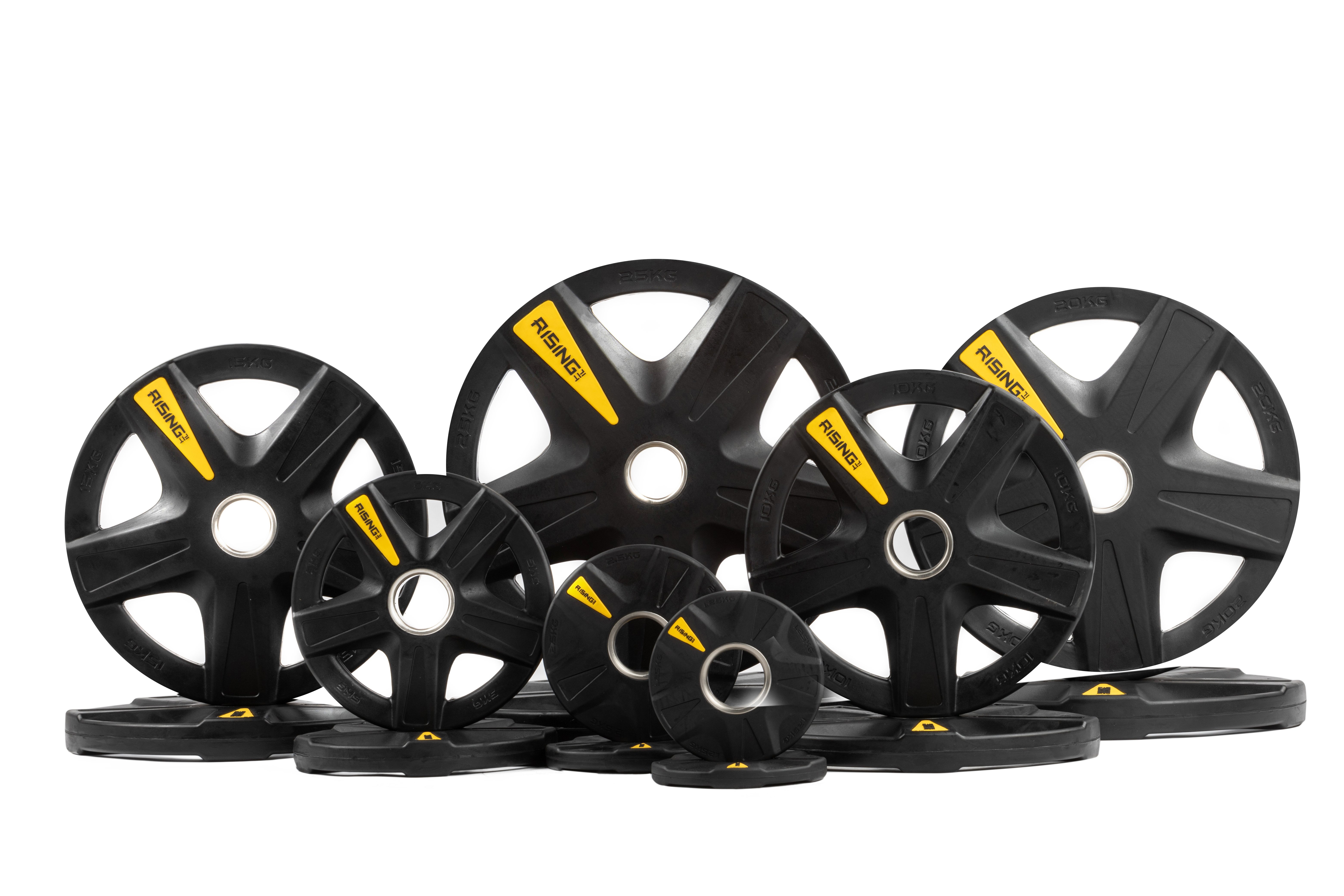
Commercial weight plates are crafted using high-grade materials, typically featuring premium iron, steel, or rubber compounds. The manufacturing process involves precise machining and quality control measures that ensure consistent weight distribution and structural integrity. These plates undergo rigorous testing to meet commercial standards, utilizing advanced casting techniques that minimize imperfections and enhance overall durability.
The superior construction includes reinforced cores and protective coatings that prevent chipping, cracking, and rust formation. This attention to material quality translates directly into extended product lifespan, reducing the frequency of replacements and associated costs over time.
Impact Resistance and Durability Features
One of the most significant advantages of commercial weight plates lies in their exceptional impact resistance. The plates are designed to withstand repeated drops, collisions, and intense daily use without compromising their structural integrity. The robust construction typically includes shock-absorbing features that protect both the plates and the facility's flooring, reducing maintenance expenses for both equipment and infrastructure.
Commercial-grade rubber coatings and specialized edge designs help absorb impact forces, preventing the typical wear and tear that leads to premature replacement. This durability factor becomes particularly relevant in high-traffic environments where equipment undergoes constant use.
Long-Term Cost Analysis
Replacement Frequency Comparison
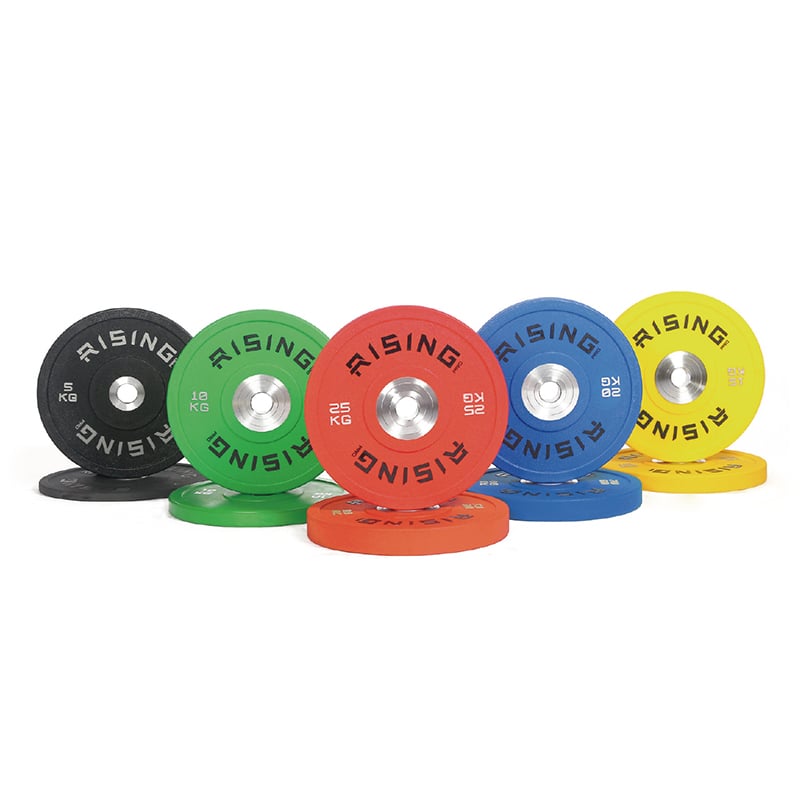
While standard weight plates might need replacement every 2-3 years under regular use, commercial weight plates often maintain their functionality for 8-10 years or more. This extended lifespan directly impacts the total cost of ownership, as fewer replacement cycles mean reduced long-term expenses. The initial price difference between commercial and standard plates becomes negligible when averaged over the equipment's functional lifetime.
Consider a busy fitness facility that might need to replace standard weight plates three times over a decade, compared to a single set of commercial plates lasting the same period. The cumulative cost savings become substantial, especially when factoring in the administrative and operational costs associated with equipment replacement.
Maintenance Cost Reduction
Commercial weight plates require minimal maintenance compared to their standard counterparts. The superior materials and construction quality result in fewer repairs, reduced need for professional maintenance, and lower replacement part costs. This reduction in maintenance expenses contributes significantly to the overall cost savings over time.
Regular maintenance typically involves simple cleaning and occasional inspection, rather than the more frequent repairs and part replacements often needed with standard plates. This difference in maintenance requirements translates to reduced downtime and lower labor costs associated with equipment upkeep.
Business Impact and Client Satisfaction
Professional Image and Member Retention
Commercial weight plates contribute to a facility's professional image, helping attract and retain members who value quality equipment. The consistent performance and reliable functionality of these plates enhance user experience, potentially reducing member turnover and associated marketing costs to replace departing clients.
Members often associate high-quality equipment with a premium fitness experience, justifying higher membership fees and contributing to increased revenue potential. The professional appearance and performance of commercial weight plates can become a selling point for facilities competing in the premium fitness market segment.
Risk Mitigation and Insurance Considerations
Using commercial weight plates can potentially reduce liability risks and insurance costs. The enhanced safety features and reliable performance characteristics of these plates minimize the risk of equipment-related injuries. Many insurance providers recognize the safety benefits of commercial-grade equipment, which may reflect favorably in premium calculations.
The standardized weight accuracy and consistent performance of commercial plates also help maintain compliance with safety regulations and industry standards, potentially avoiding costly legal issues or regulatory penalties.
Environmental and Sustainability Factors
Environmental Impact Assessment
The longevity of commercial weight plates contributes to environmental sustainability by reducing waste and the frequency of manufacturing replacement equipment. The durability of these plates means fewer items end up in landfills, and the reduced need for replacement products decreases the overall carbon footprint associated with manufacturing and transportation.
Many modern commercial weight plates are also designed with recycling in mind, using materials that can be effectively reclaimed and repurposed at the end of their service life. This environmental consciousness can align with corporate sustainability goals and appeal to environmentally aware clients.
Resource Efficiency and Waste Reduction
The extended lifespan of commercial weight plates contributes to resource efficiency by reducing the need for raw materials and energy consumption in manufacturing replacement equipment. This efficiency extends to packaging and shipping resources, as fewer replacement orders mean reduced transportation and packaging waste over time.
The ability to maintain and repair commercial plates, rather than replace them entirely, further contributes to waste reduction and resource conservation. This aspect of sustainability can provide both environmental and financial benefits for facility operators.
Frequently Asked Questions
How much longer do commercial weight plates last compared to standard plates?
Commercial weight plates typically last 3-4 times longer than standard plates under similar usage conditions. While standard plates might need replacement every 2-3 years, commercial plates often maintain their functionality for 8-10 years or more with proper care and maintenance.
What features should I look for in quality commercial weight plates?
Key features include precision weight calibration, high-grade materials (such as virgin rubber or steel), reinforced cores, protective coatings, clearly marked weight indicators, and certified testing standards. Look for plates with ergonomic designs, solid warranty coverage, and proven durability in commercial settings.
Are commercial weight plates worth the investment for a home gym?
For serious home gym enthusiasts who plan long-term use, commercial weight plates can be a worthwhile investment. The superior durability, consistent performance, and reduced need for replacement make them cost-effective over time, especially for users who maintain regular, intensive training schedules.
What maintenance do commercial weight plates require?
Commercial weight plates require minimal maintenance compared to standard plates. Regular cleaning with appropriate solutions, periodic inspection for damage or loose components, and proper storage are typically sufficient. Unlike standard plates, they rarely need extensive repairs or part replacements when properly maintained.