 EN
EN


When selecting the right equipment for strength training, understanding the fundamental differences between hex dumbbells and round dumbbells becomes crucial for making an informed decision. The choice between these two popular dumbbell designs can significantly impact your workout experience, safety, and long-term fitness goals. Hex dumbbells feature flat sides that prevent rolling, while round dumbbells maintain the traditional circular shape that many fitness enthusiasts recognize. Both designs offer unique advantages and serve different training purposes, making it essential to evaluate their characteristics before investing in either option.
Design and Construction Differences
Shape and Geometry
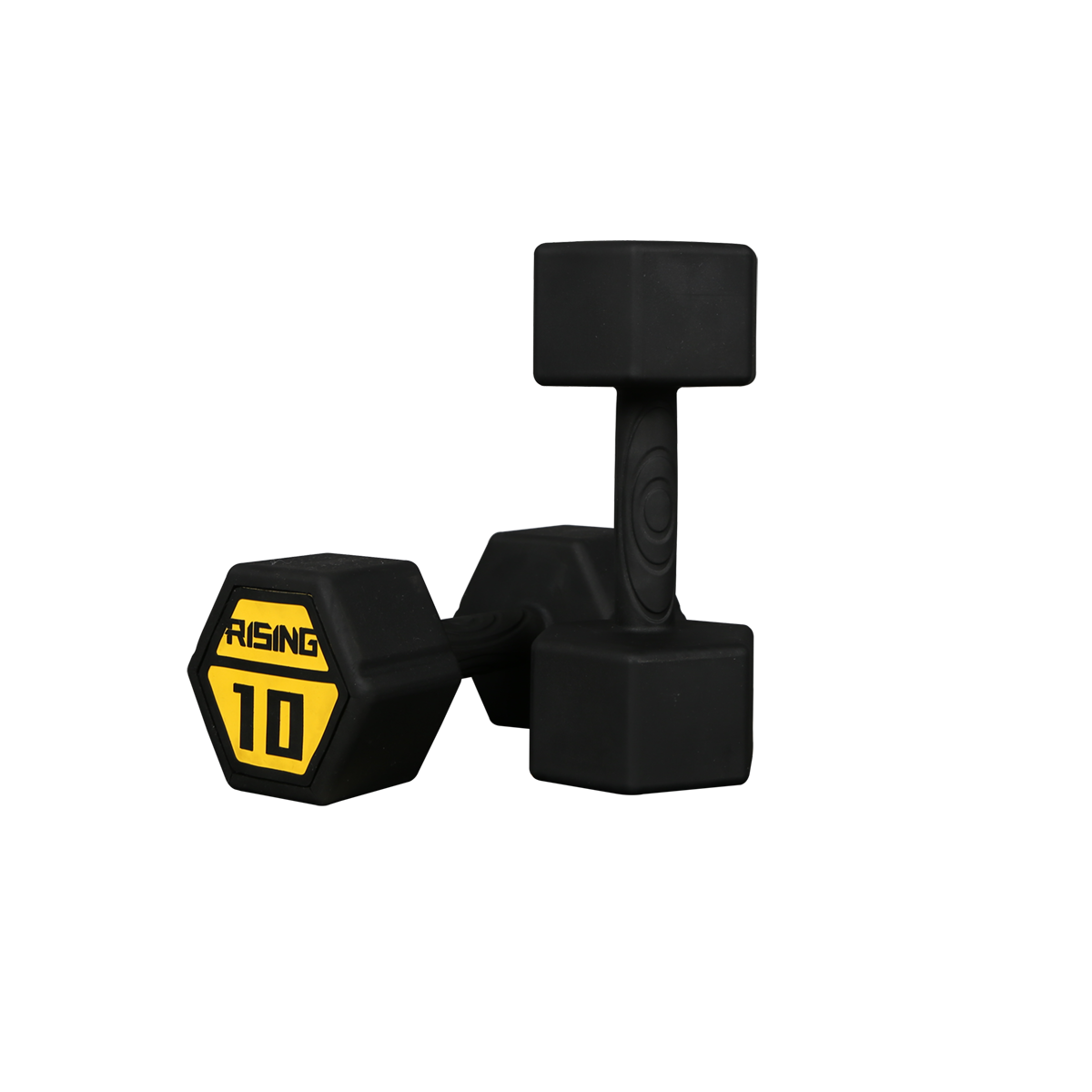
The most obvious distinction between hex dumbbells and round dumbbells lies in their geometric design. Hex dumbbells feature six flat sides that create a hexagonal cross-section, preventing the weights from rolling when placed on the ground. This anti-roll design provides enhanced safety and convenience during workouts, particularly when performing exercises that require setting weights down between sets. The flat surfaces also make storage more organized and space-efficient in home gyms and commercial fitness facilities.
Round dumbbells maintain the traditional circular shape that has been standard in weightlifting for decades. These dumbbells feature smooth, curved surfaces that allow for natural rolling motion when placed on flat surfaces. The circular design enables easier weight plate changes in adjustable versions and provides a classic aesthetic that many traditional lifters prefer. The rounded edges also facilitate certain exercises where the dumbbell needs to move smoothly along the body or equipment surfaces.
Handle Construction and Grip
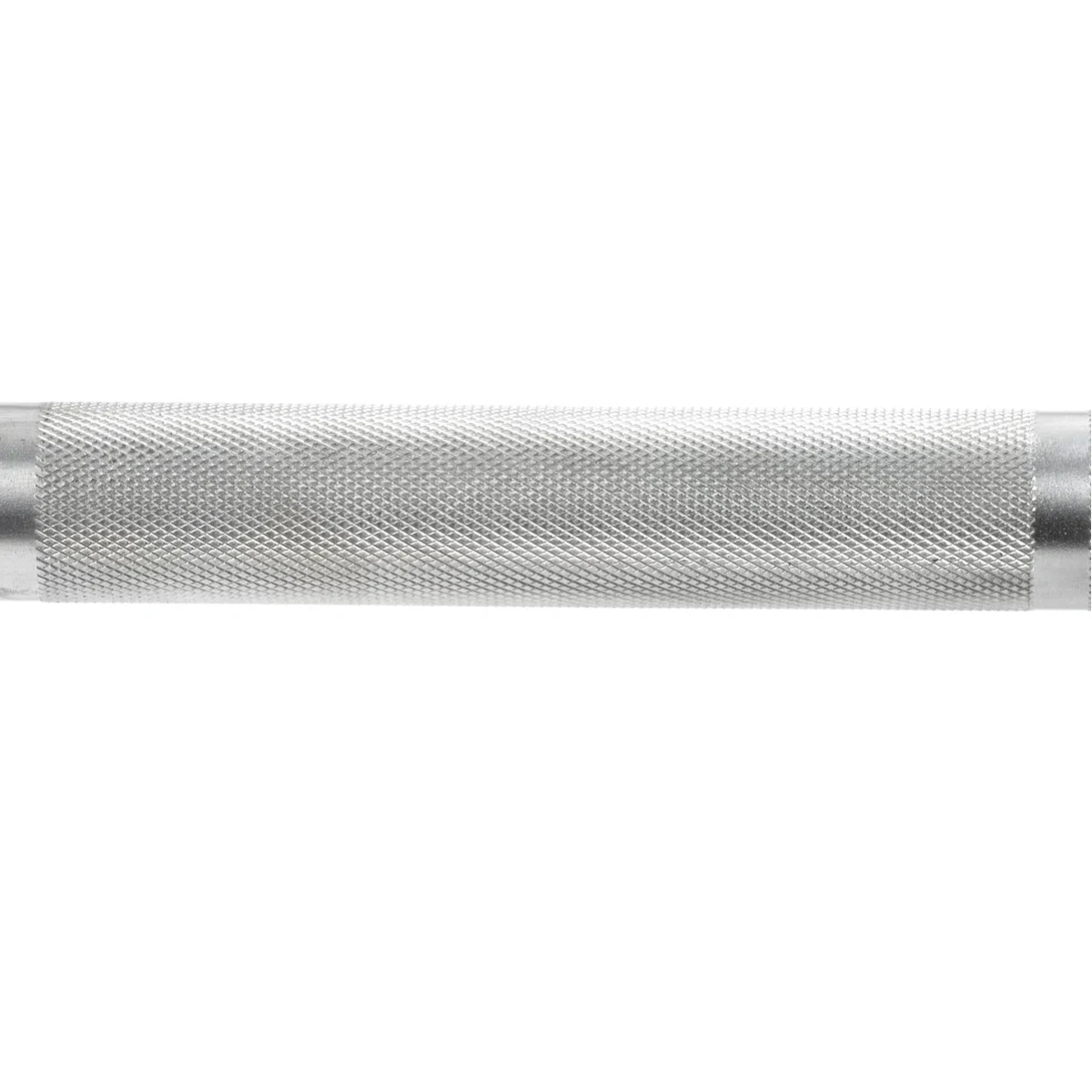
Handle design varies significantly between hex dumbbells and round dumbbells, affecting grip comfort and exercise performance. Hex dumbbells typically feature straight, knurled handles that provide excellent grip security during intense training sessions. The handle diameter is often optimized for comfortable gripping across different hand sizes, and the knurling pattern enhances friction to prevent slipping during heavy lifts or high-repetition exercises.
Round dumbbells may feature various handle designs depending on their construction type. Fixed-weight round dumbbells often have ergonomic handles with contoured grips, while adjustable versions typically use straight bars similar to hex dumbbells. The handle materials can range from chrome-plated steel to rubber-coated surfaces, each offering different grip characteristics and durability levels for long-term use.
Stability and Safety Considerations
Anti-Roll Properties
Safety represents a primary advantage of hex dumbbells over their round counterparts due to their inherent anti-roll design. When placed on the ground during rest periods or between exercises, hex dumbbells remain stationary and secure, eliminating the risk of weights rolling into walkways or causing accidents. This stability feature becomes particularly valuable in crowded gym environments where rolling weights could create hazardous conditions for other users.
The flat surfaces of hex dumbbells also enable safer floor-based exercises such as renegade rows, mountain climbers, and push-ups with dumbbell grips. These exercises require stable platforms that won't shift or roll during movement, making hex dumbbells the preferred choice for functional training routines that incorporate ground-based movements. The enhanced stability reduces the risk of wrist injuries and provides confidence when performing complex exercises.
Exercise Safety and Control
Round dumbbells present unique safety considerations due to their rolling tendency. While this characteristic can be disadvantageous in some situations, experienced lifters often adapt their training techniques to accommodate round dumbbell properties. Proper placement and storage become more critical when using round dumbbells, requiring users to develop careful handling habits to maintain safe workout environments.
The rolling nature of round dumbbells can actually benefit certain exercises where smooth movement along surfaces is desired. For example, during decline chest presses or specific stretching routines, the ability of round dumbbells to roll naturally can facilitate smoother motion patterns. However, users must remain vigilant about placement and ensure adequate space around their workout area to prevent accidents.
Storage and Space Efficiency
Rack Organization
Storage efficiency differs markedly between hex dumbbells and round dumbbells, particularly in organized gym settings. Hex dumbbells stack more compactly on racks due to their flat surfaces, which create natural resting points that prevent shifting or rolling. This design allows for tighter spacing between weight increments and more efficient use of storage space. The stable positioning also makes it easier to identify specific weights quickly during workouts.
Commercial gyms often prefer hex dumbbells for their storage advantages, as the stable design reduces maintenance time spent repositioning weights and prevents damage from rolling collisions. The flat surfaces also allow for vertical storage configurations that maximize floor space utilization. Custom storage solutions for hex dumbbells can be more straightforward to design and implement due to the predictable positioning characteristics.
Home Gym Considerations
For home gym enthusiasts, the storage benefits of hex dumbbells become even more pronounced in limited space environments. The ability to store hex dumbbells against walls or in compact configurations without fear of rolling makes them ideal for apartments, basements, or converted garage gyms. The stable design also allows for creative storage solutions such as under-stair placement or tight corner arrangements.
Round dumbbells require more careful storage planning in home environments, often necessitating dedicated racks or containment systems to prevent rolling. While this may increase initial setup costs, some home gym owners prefer the traditional aesthetic and feel that round dumbbells provide. The choice often depends on available space, storage preferences, and the specific exercises included in regular workout routines.
Exercise Performance and Versatility
Range of Motion Considerations
Exercise performance characteristics differ between hex dumbbells and round dumbbells in subtle but meaningful ways. The flat surfaces of hex dumbbells can occasionally limit range of motion in certain exercises where the dumbbell needs to move very close to the body. For example, during some chest fly variations or deep stretching positions, the flat edges might contact the body or equipment before achieving full range of motion.
Round dumbbells typically offer unrestricted range of motion due to their smooth, curved surfaces that can move naturally around body contours. This characteristic makes them particularly suitable for exercises requiring full extension or deep stretching positions. The rounded design also facilitates smooth transitions between exercise positions and can feel more natural during complex movement patterns that involve multiple joint actions.
Exercise Variety and Adaptability
Both hex dumbbells and round dumbbells support comprehensive strength training routines, but certain exercises favor one design over the other. Hex dumbbells excel in exercises requiring stable base support, such as single-arm rows where the opposite hand rests on the dumbbell for support. The flat surface provides a secure platform that won't roll or shift during the exercise, enabling better focus on the working muscles.
Floor-based exercises particularly benefit from hex dumbbell design, as the stability enables safer and more effective performance of movements like Turkish get-ups, floor presses, and various core exercises. The anti-roll feature allows users to transition between positions without constantly adjusting dumbbell placement or worrying about equipment movement during the exercise sequence.
Cost and Durability Factors
Manufacturing and Material Costs
Cost considerations between hex dumbbells and round dumbbells often reflect manufacturing complexity and material requirements. Hex dumbbells typically require more precise molding or machining processes to achieve the flat surfaces and defined edges, which can result in slightly higher production costs. However, mass production techniques have reduced these cost differences significantly, making hex dumbbells competitive with round alternatives in most market segments.
The material choices for both designs include cast iron, rubber-coated options, and urethane-covered versions, each offering different price points and durability characteristics. Hex dumbbells often feature protective rubber coatings that prevent floor damage and reduce noise during use, which can add to the initial cost but provide long-term value through extended equipment life and facility protection.
Long-term Durability and Maintenance
Durability differences between hex dumbbells and round dumbbells primarily relate to impact resistance and wear patterns. The flat surfaces of hex dumbbells distribute impact forces more evenly when dropped or placed heavily, potentially reducing stress concentrations that could lead to cracking or damage. The stable positioning also reduces wear from rolling friction and accidental collisions with other equipment.
Round dumbbells may experience more varied wear patterns due to their rolling tendency and point contact with surfaces. However, this design has proven its durability over decades of use in fitness facilities worldwide. The smooth surfaces of round dumbbells can be easier to clean and maintain, particularly in high-use commercial environments where hygiene considerations are paramount.
FAQ
Are hex dumbbells better for beginners than round dumbbells
Hex dumbbells are generally considered more beginner-friendly due to their enhanced safety features and stability. The anti-roll design prevents accidents and allows new lifters to focus on proper form without worrying about weight movement between exercises. The stable platform also enables safer floor-based exercises that are common in beginner workout routines. However, both types can be suitable for beginners with proper instruction and safety awareness.
Do hex dumbbells limit exercise variety compared to round dumbbells
While hex dumbbells may occasionally restrict range of motion in very specific exercises, they support the vast majority of strength training movements effectively. The flat surfaces rarely interfere with common exercises, and the stability benefits often outweigh any minor limitations. Most fitness enthusiasts find that hex dumbbells provide excellent exercise versatility while offering additional safety and convenience benefits that enhance their overall training experience.
Which type of dumbbell is more suitable for commercial gyms
Commercial gyms typically prefer hex dumbbells due to their safety, storage, and maintenance advantages. The anti-roll design reduces liability concerns, makes storage more efficient, and minimizes time spent repositioning weights throughout the day. The stable design also reduces floor damage and noise levels compared to round dumbbells. However, some traditional gyms and powerlifting facilities may choose round dumbbells for their classic aesthetic and specific performance characteristics.
Can the shape of dumbbells affect workout results
The shape of dumbbells has minimal direct impact on workout results, as both hex dumbbells and round designs provide equivalent resistance and loading characteristics. The primary differences relate to safety, convenience, and exercise variety rather than muscle building or strength development outcomes. Consistent training with proper form and progressive overload principles will produce similar results regardless of dumbbell shape, making the choice more about personal preference and practical considerations than fitness effectiveness.