 EN
EN


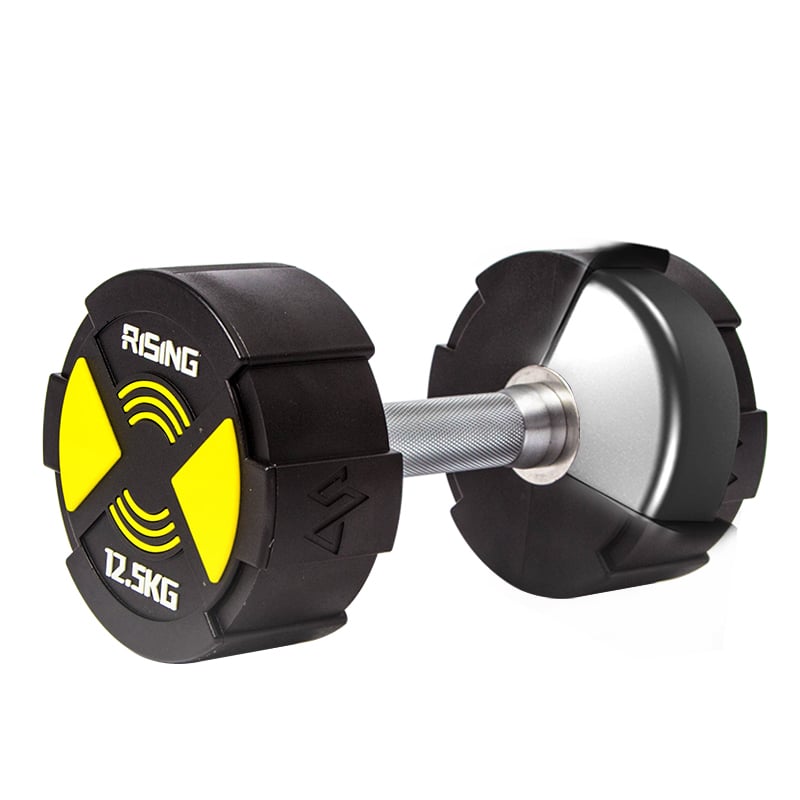
Basic introduction to CPU Dumbbells as a fitness choice
CPU Dumbbells are a popular form of strength training equipment widely used in fitness studios, home gyms, rehabilitation training rooms, and professional athletic training centers. Many people who aim to build muscle, increase strength, improve posture, or enhance functional performance choose CPU Dumbbells because they are versatile, space-efficient, and affordable. CPU Dumbbells usually feature a cast-iron core protected by a durable coating, providing long-lasting stability, impact resistance, and ease of maintenance. Their coating reduces the risk of rust, noise, and ground damage, giving them an advantage in confined training spaces such as apartments and small home gyms.
CPU Dumbbells are highly adaptable in training, suitable for exercises targeting the chest, arms, legs, core, and back. They can support both compound and isolation movements while helping beginners learn basic training techniques without relying on large fitness machines. As a result, CPU Dumbbells have become a frequently searched term among people exploring strength training options.
Advantages of CPU Dumbbells
Material and structure
CPU Dumbbells usually consist of a cast-iron core wrapped in a protective coating, providing excellent stability and reliable pressure resistance. This coating helps prevent surface damage, making the dumbbells tougher and longer lasting than traditional bare metal models. Users who train at home appreciate that CPU Dumbbells create less noise when dropped or placed on the floor, protecting living spaces from scuffs and scratches.
Many CPU Dumbbells also feature seamless molding, reducing the chance of coating cracks and chips during repeated use. This is especially important for users who train several times per week. The well-balanced internal core ensures the dumbbells feel stable throughout the motion path, whether performing heavy squats, shoulder presses, or small-weight repetitions. The design not only enhances functionality but also reflects modern expectations for durability and comfort.
Comfort and stability in use
CPU Dumbbells are built with ergonomic handle shapes that enhance grip comfort, which matters significantly during repetitive sets. When users perform multi-set routines, grip fatigue can directly influence performance and training quality. The texture of the handle ensures solid gripping without slipping, especially during sweaty sessions.
The balanced design also prevents awkward shifts in center of gravity, which often occur in cheap or poorly made dumbbells. By maintaining comfortable control throughout extended training sessions, CPU Dumbbells make it easier for beginners and advanced athletes to remain focused and maintain proper technique. Many users also appreciate the rounded edges, which lower the risk of accidental bumps and reduce stress on joints during transitions and handling. Durable and stable, CPU Dumbbells deliver training quality that encourages consistent workout habits.
How to use CPU Dumbbells in training
Full-body strength training
CPU Dumbbells can be applied in numerous full-body workouts, including lunges, squats, bench presses, Romanian deadlifts, shoulder presses, and bent-over rows. These compound movements activate multiple muscle groups at once, improving overall coordination and strength. Many people choose CPU Dumbbells because even a small room can provide enough space for a complete workout, eliminating the need for expensive machines.
Users with limited training time benefit from high-efficiency dumbbell routines that combine cardiovascular and muscular benefits. For example, alternating squats with shoulder presses or bent-over rows with lunges effectively raises heart rate while strengthening large muscle groups. Over time, CPU Dumbbells help improve power output, balance, and muscular endurance, making them valuable tools for at-home fitness programs and professional athletic training.
Targeted muscle training
CPU Dumbbells also support focused workouts targeting specific muscle groups such as the biceps, triceps, deltoids, chest, and abdominals. Exercises such as hammer curls, lateral raises, chest flyes, triceps kickbacks, and weighted Russian twists help sculpt defined lines and develop independent strength.
Because CPU Dumbbells come in a wide range of weights, both beginners and advanced users can choose appropriate resistance levels that match their progress. People pursuing visible shaping results often use lighter to medium weights with higher repetitions, while those focused on strength may adopt heavier loads with lower repetitions. CPU Dumbbells therefore adapt well to personalized fitness programs, making them suitable for users with varied goals.
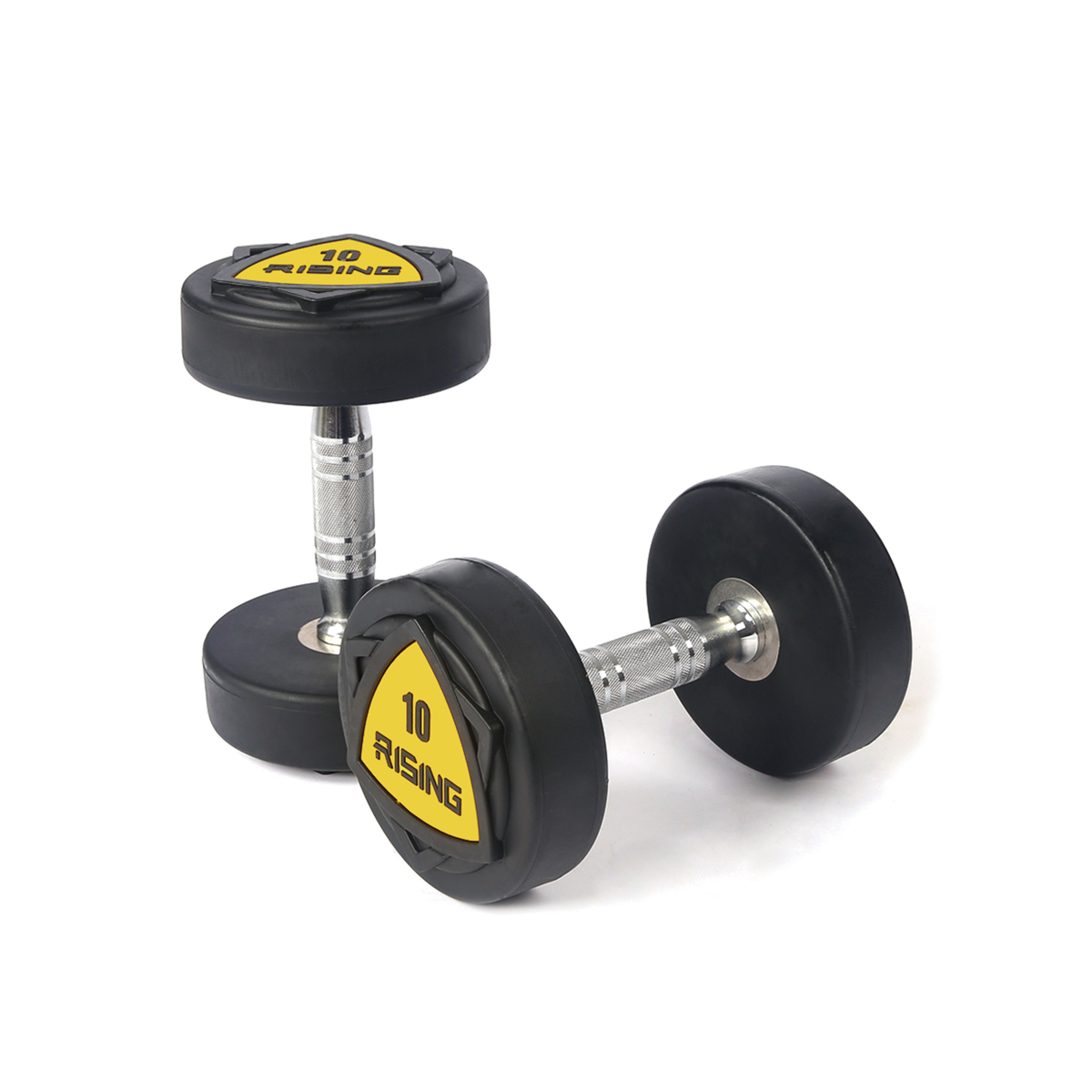
Key points when purchasing CPU Dumbbells
Selecting the right specifications and weight
When selecting CPU Dumbbells, the first consideration should be the weight range appropriate for the user’s fitness level. Beginners may start with lighter weights to master correct technique before gradually increasing the load. CPU Dumbbells are offered in single weights or complete sets, allowing long-term progression without frequent replacement.
Users focused on shaping may use moderate weights that allow 10–15 repetitions per set, while those aiming for strength development usually pick weights heavy enough to challenge 6–8 reps. People training at home should select the number of weight pairs based on space, budget, and training needs. A broader range of available weights increases training variety and ensures that CPU Dumbbells remain useful over many months or even years of consistent training.
Product quality and craftsmanship
Quality craftsmanship determines the long-term reliability of CPU Dumbbells. Buyers should inspect the surface coating to confirm it is uniform, properly bonded, and free of chemical odors. High-quality CPU Dumbbells feature coatings resistant to peeling, scratching, and wear, helping keep the dumbbells visually appealing and structurally strong even with frequent sessions.
Buyers should also evaluate handle texture and finish, since grip quality affects training safety. A comfortable and secure hand feel reduces the chance of slippage and contributes to better technique control. Choosing CPU Dumbbells from a manufacturer that emphasizes quality and stable craftsmanship helps ensure confidence during training and protects buyers from unnecessary long-term replacement costs.
Maintenance and care for CPU Dumbbells
Daily cleaning and storage
Regular maintenance helps extend the functional life of CPU Dumbbells. After long workouts, dumbbells may accumulate sweat, oils, or gym chalk, which can affect the surface finish or grip comfort if not cleaned. Users can wipe CPU Dumbbells with mild detergent and warm water to maintain hygiene.
Dumbbells should be stored in a dry, well-ventilated space to prevent moisture buildup. Although the protective coating reduces the chance of oxidation or internal corrosion, proper storage further minimizes long-term wear. Home users may invest in storage racks that keep training areas neat and protect floors from accidental drops. These good habits ensure CPU Dumbbells remain stable, clean, and visually presentable across years of training.
Precautions during use
Although CPU Dumbbells are robust, careless dropping or forceful impacts may damage their coating or affect the internal alignment. Users should handle them with control, especially during heavy lifting sessions. Keeping hands dry improves grip security and prevents accidents caused by slips.
In professional gym environments, routine equipment inspections ensure user safety and maintain training standards. Likewise, home users should periodically examine CPU Dumbbells for surface wear, loosening handles, or other issues. Developing consistent safety habits helps users avoid unnecessary injuries and ensures that CPU Dumbbells continue offering reliable performance.
Training planning with CPU Dumbbells
Structuring a balanced weekly plan
Users aiming to achieve consistent and meaningful results with CPU Dumbbells benefit from structured training schedules. A common weekly plan includes three complete full-body workouts and one or two focused sessions targeting specific muscle groups, such as upper body or core.
With CPU Dumbbells, users can easily combine compound movements like squats with isolation techniques such as biceps curls within the same routine. Tracking training data, such as number of reps and intensity levels, helps identify progress and maintain measurable development. A structured plan supports muscle stimulation, improves metabolic efficiency, and builds training confidence. With consistency, CPU Dumbbells become reliable tools for sustainable performance improvements.
Increasing difficulty and progression
Progressive overload is fundamental in strength development. CPU Dumbbells allow users to gradually increase load by adding weight, extending repetition counts, adjusting rest intervals, or incorporating advanced exercise variations. For example, beginners may start with standard shoulder presses before advancing to unilateral presses that challenge core stability.
Maintaining proper form throughout progression helps avoid joint strain and ensures target muscles receive correct stimulation. Documenting improvements over time also boosts motivation. Over several weeks, CPU Dumbbells support improvements in strength, posture, mobility, endurance, and coordination. Their adaptability keeps workouts engaging and prevents plateaus, promoting ongoing physical development.
Additional benefits of CPU Dumbbells
Space efficiency and portability
One key advantage of CPU Dumbbells is their compact size. Unlike large gym machines requiring dedicated space, CPU Dumbbells can be stored under a bed, in a cabinet, or on a small rack. This appeals especially to apartment residents and people with limited workout space.
CPU Dumbbells are also easy to transport, allowing users to train in different rooms, offices, or even outdoors. Their portability supports flexible training habits, keeping workouts consistent even when individuals cannot visit a gym.
Cost effectiveness and long-term value
CPU Dumbbells provide long-term value because they do not require electricity, maintenance parts, or complicated assembly. Once purchased, they remain usable for years, making them highly cost-effective compared with large equipment purchases or monthly gym subscription fees.
Because CPU Dumbbells can adapt to a wide range of exercises and training styles, users benefit from broad functionality while making only a one-time investment. Over time, CPU Dumbbells can support full transformations without additional equipment purchases, providing value that appeals to both casual fitness users and committed athletes.
Suitability of CPU Dumbbells across user groups
Beginners and learning-based training
For beginners, CPU Dumbbells are forgiving and intuitive. They allow new users to practice essential strength movement patterns without needing machine guidance. Basic motions with CPU Dumbbells help develop coordination, joint flexibility, and foundational strength, preparing users for more advanced training later.
By mastering proper form early, beginners reduce the risk of injury and build confidence in their training systems. The accessible handling and simplicity make CPU Dumbbells a strong entry point for new fitness participants.
Experienced lifters and professional athletes
Advanced users also benefit from CPU Dumbbells because of the progressive challenges they enable. Experienced athletes often use CPU Dumbbells to overcome plateaus by adjusting weight, tempo, or exercise complexity. CPU Dumbbells also support unilateral training that improves balance and corrects muscle imbalances—an essential component of professional athletic development.
For users accustomed to heavy lifts, CPU Dumbbells remain valuable in deload routines, rehab-based programming, and accessory training sessions. Their adaptability ensures that even advanced users gain consistent performance benefits.
FAQ
Who are CPU Dumbbells suitable for?
CPU Dumbbells are suitable for beginners, fitness enthusiasts, and professional athletes, offering a broad range of training options and supporting both general and specialized fitness needs.
Are CPU Dumbbells suitable for home use?
CPU Dumbbells are ideal for home environments because they are quiet, durable, easy to clean, and require minimal storage space. Their protective coating minimizes damage to floors and training surfaces.
Do CPU Dumbbells require regular cleaning?
CPU Dumbbells should be regularly wiped down to maintain grip comfort, hygiene, and coating durability. Cleaning after sessions prevents sweat buildup and helps preserve the dumbbell surface.
Can CPU Dumbbells support full-body workouts?
CPU Dumbbells can support squats, lunges, presses, rows, deadlifts, flyes, and many other exercises, enabling complete full-body training without requiring additional machinery.
Table of Contents
- Basic introduction to CPU Dumbbells as a fitness choice
- Advantages of CPU Dumbbells
- How to use CPU Dumbbells in training
- Key points when purchasing CPU Dumbbells
- Maintenance and care for CPU Dumbbells
- Training planning with CPU Dumbbells
- Additional benefits of CPU Dumbbells
- Suitability of CPU Dumbbells across user groups
- FAQ