 EN
EN


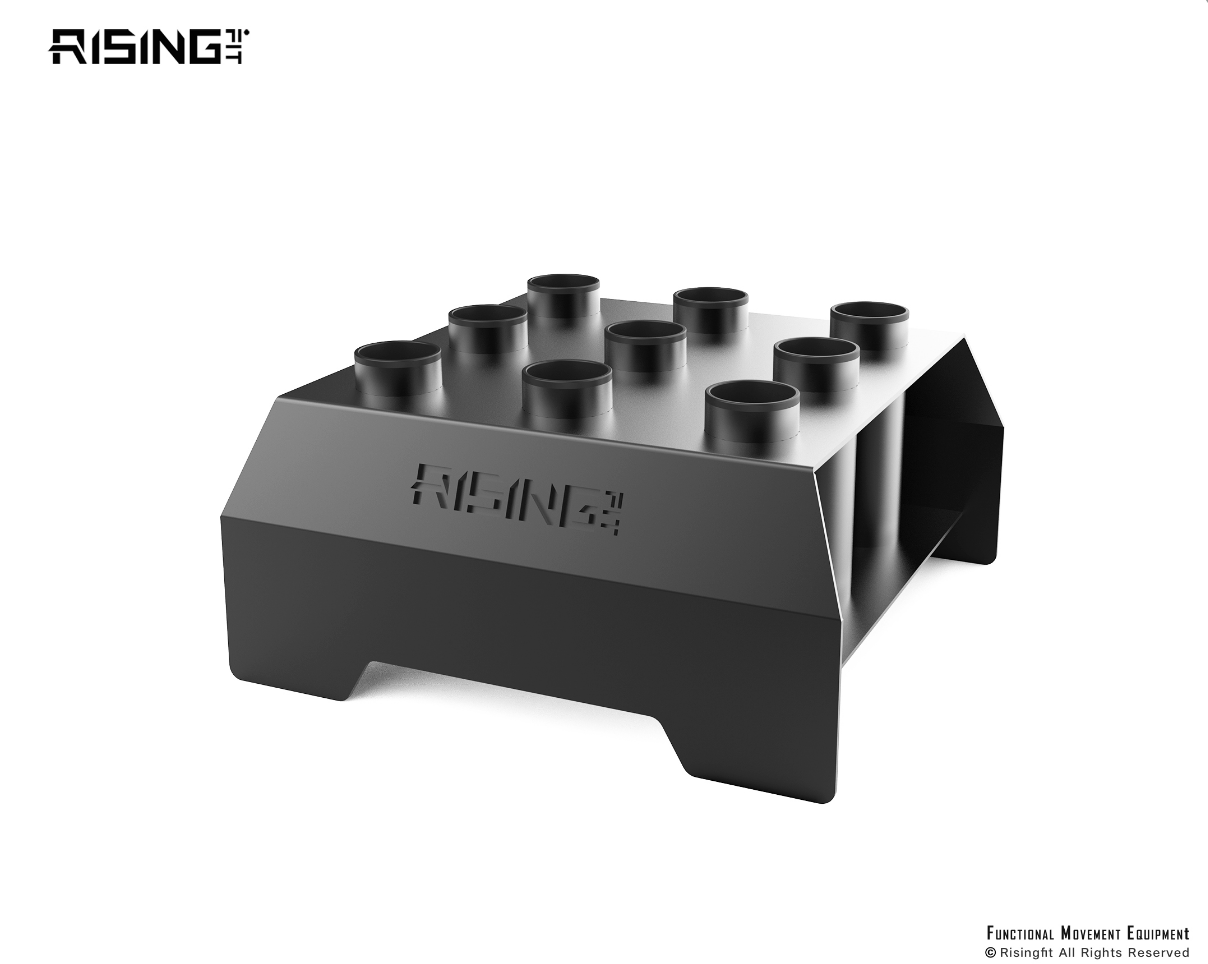
Proper storage of your straight barbell is crucial for maintaining its condition, ensuring safety in your home gym, and maximizing the longevity of your investment. Whether you're a serious weightlifter or fitness enthusiast, understanding how to correctly store a straight barbell can prevent damage, save space, and create an organized workout environment. The right storage solution not only protects your equipment but also enhances your training experience by keeping your barbell easily accessible and ready for use.
Understanding Straight Barbell Storage Fundamentals
Essential Storage Principles
When storing a straight barbell, several key principles must guide your approach to ensure optimal protection and functionality. The primary concern involves preventing contact between the barbell and hard surfaces that could cause scratching, denting, or knurling damage. A quality straight barbell represents a significant investment, and proper storage practices directly impact its performance characteristics and visual appearance over time.
Environmental factors play a crucial role in barbell storage decisions. Moisture control becomes particularly important in basement gyms or areas with high humidity, as exposure to moisture can lead to rust formation on the shaft and sleeves. Temperature fluctuations should also be considered, as extreme changes can affect the metal's properties and any rubber or plastic components associated with storage systems.
Weight distribution represents another critical factor when selecting storage methods for your straight barbell. The standard Olympic barbell weighs 45 pounds, and improper support can cause bending or warping over extended periods. This consideration becomes especially important for longer storage periods or when dealing with heavily loaded barbells that remain assembled with weight plates.
Space Requirements and Planning
Effective straight barbell storage requires careful space planning to accommodate the equipment's length and ensure easy access during workouts. A standard Olympic barbell measures approximately 7 feet in length, necessitating adequate clearance both horizontally and vertically depending on your chosen storage method. Consider the traffic flow in your gym space and ensure that stored barbells don't create safety hazards or obstruct movement patterns.
Ceiling height becomes a determining factor when considering vertical storage options for your straight barbell. Wall-mounted vertical racks require sufficient overhead clearance for safe loading and unloading operations. Additionally, factor in the space needed for maneuvering the barbell into position, especially when dealing with heavier loaded bars or working in confined spaces.
Floor space allocation should account for both the storage system itself and the operational area required around it. Horizontal rack systems typically require more floor space but offer easier access, while vertical solutions maximize floor space efficiency at the cost of increased ceiling height requirements. Consider your specific gym layout and training needs when making these spatial decisions.
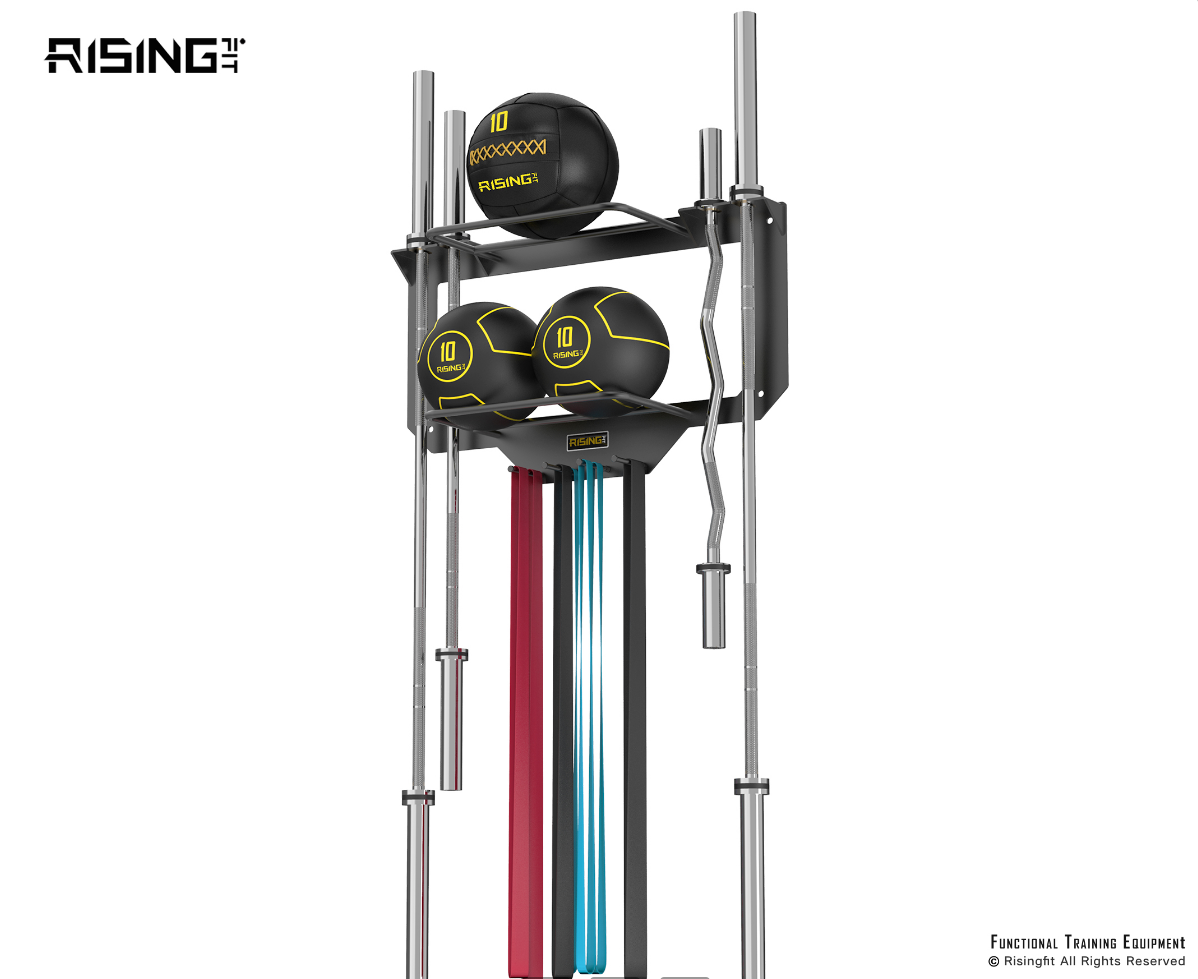
Horizontal Storage Solutions for Straight Barbells
Wall-Mounted Horizontal Racks
Wall-mounted horizontal storage systems offer excellent space efficiency while providing secure support for your straight barbell. These systems typically feature padded or cushioned contact points that protect the barbell's finish and knurling from damage during storage. The mounting height should be carefully considered to ensure comfortable loading and unloading while maintaining adequate clearance from the floor and other equipment.
Installation requirements for wall-mounted horizontal racks demand attention to wall construction and load-bearing capacity. Proper anchoring into wall studs or concrete becomes essential when supporting the combined weight of the straight barbell and any attached weight plates. Consider the wall material, stud spacing, and mounting hardware specifications to ensure a secure and stable installation.
Multiple barbell storage becomes possible with tiered horizontal rack systems that accommodate several barbells in a compact wall-mounted configuration. These systems often feature adjustable spacing to accommodate different barbell types and sizes, making them versatile solutions for diverse equipment collections. The vertical spacing between tiers should allow comfortable access to each stored straight barbell without interference.
Freestanding Horizontal Rack Systems
Freestanding horizontal rack systems provide flexibility and portability for straight barbell storage without permanent installation requirements. These systems typically feature weighted bases or wide footprints to ensure stability under load, making them suitable for rental properties or temporary gym setups. The mobility aspect allows for easy reconfiguration of gym layouts as training needs evolve.
Capacity considerations become important when selecting freestanding horizontal racks, as these systems must support not only the straight barbell but also maintain stability during loading and unloading operations. Look for systems with low centers of gravity and adequate base dimensions to prevent tipping or movement during use. Some models incorporate weight storage features that enhance stability while providing additional functionality.
Multi-tier freestanding systems maximize storage density while maintaining the flexibility advantages of portable solutions. These systems often accommodate various barbell types and can include additional storage for weight plates, creating comprehensive equipment organization solutions. Consider the overall footprint and clearance requirements when evaluating multi-tier freestanding options for your straight barbell storage needs.
Vertical Storage Approaches and Considerations
Wall-Mounted Vertical Systems
Vertical storage solutions maximize floor space efficiency by utilizing wall height for straight barbell storage. These systems typically feature lower mounting points that secure the barbell base while allowing the upper portion to rest against padded wall contact points. The vertical orientation requires careful consideration of loading procedures to ensure safe and comfortable operation.
Ceiling height requirements become critical factors when implementing vertical storage solutions. Adequate clearance above the barbell must be maintained to allow for safe loading and unloading operations, particularly when dealing with loaded barbells or working in confined spaces. Consider the specific dimensions of your training area and ensure sufficient overhead clearance for comfortable operation.
Wall protection becomes essential with vertical storage systems, as the barbell may come into contact with wall surfaces during loading and unloading procedures. Protective padding or cushioning materials should be strategically placed to prevent wall damage while maintaining secure barbell positioning. Some systems incorporate adjustable contact points to accommodate different barbell lengths and configurations.
Freestanding Vertical Rack Options
Freestanding vertical storage systems offer the space efficiency benefits of vertical storage without permanent wall mounting requirements. These systems typically feature weighted bases or broad footprints to ensure stability when supporting vertically stored straight barbells. The portable nature allows for flexible gym layout arrangements and easy relocation as needs change.
Stability considerations become paramount with freestanding vertical systems, as the tall, narrow profile can create tipping hazards if not properly designed or loaded. Look for systems with low centers of gravity, wide base dimensions, and adequate weight distribution to ensure safe operation. Some models incorporate weight storage areas in the base to enhance stability while providing additional functionality.
Multi-barbell vertical systems can accommodate several straight barbells in a compact footprint, making them efficient solutions for commercial gyms or serious home training facilities. These systems often feature adjustable spacing and securing mechanisms to accommodate various barbell types and prevent movement during storage. Consider the loading sequence and accessibility when multiple barbells are stored vertically in a single system.
Specialized Storage Features and Accessories
Protective Elements and Materials
Protective materials play a crucial role in maintaining the condition and performance characteristics of stored straight barbells. High-quality padding materials, such as foam padding or rubber sleeves, should be used at all contact points to prevent scratching, denting, or knurling damage. The protective materials should be durable enough to withstand repeated loading cycles while maintaining their cushioning properties over time.
Corrosion protection becomes particularly important in humid environments or areas prone to moisture exposure. Some storage systems incorporate materials or coatings that help prevent rust formation on stored barbells. Consider the environmental conditions in your storage area and select protective materials that address specific moisture or humidity concerns.
Knurling preservation represents a specialized concern for serious lifters who depend on optimal grip characteristics. Storage systems should minimize contact with the knurled portions of the straight barbell or provide specialized protective materials that don't compromise the knurling effectiveness. Some advanced systems feature contoured supports that avoid direct contact with knurled areas entirely.
Security and Organization Features
Security features become important considerations for valuable straight barbell collections or commercial gym environments. Some storage systems incorporate locking mechanisms or securing devices that prevent unauthorized removal or tampering. Consider the security requirements for your specific situation and select systems with appropriate protective features.
Organization features can enhance the functionality and efficiency of straight barbell storage systems. Color-coding, labeling, or identification systems help maintain order in multi-barbell collections and facilitate quick equipment selection during training sessions. Some systems incorporate integrated storage for related accessories such as collars, clips, or maintenance materials.
Capacity expansion options provide flexibility for growing equipment collections. Modular storage systems allow for future expansion without requiring complete system replacement. Consider the potential for equipment growth and select systems that can accommodate additional straight barbells or related equipment as needs evolve.
Installation and Maintenance Guidelines
Professional Installation Considerations
Professional installation may be necessary for complex wall-mounted storage systems or installations involving challenging wall materials. Proper installation ensures optimal safety and performance while protecting both the storage system and the facility structure. Consider consulting with professionals when dealing with concrete walls, unusual stud spacing, or high-capacity storage requirements.
Load calculations become critical for ensuring safe and reliable installation of straight barbell storage systems. The combined weight of stored barbells and any attached weight plates must be properly distributed across mounting points and structural elements. Professional assessment may be required for installations involving multiple barbells or particularly heavy loading scenarios.
Building code compliance should be verified for commercial installations or situations involving structural modifications. Some jurisdictions have specific requirements for equipment mounting or structural alterations that must be addressed during installation. Consult with local authorities or building professionals to ensure compliance with applicable regulations.
Ongoing Maintenance and Care
Regular inspection and maintenance of storage systems ensure continued safety and performance over time. Periodic checks of mounting hardware, protective materials, and structural integrity help identify potential issues before they become safety hazards. Establish a regular maintenance schedule based on usage frequency and environmental conditions.
Cleaning and care procedures should be established for both the storage system and stored straight barbells. Regular cleaning prevents accumulation of dust, moisture, or debris that could compromise equipment condition or storage system performance. Use appropriate cleaning materials that won't damage protective coatings or finishes on either the storage system or barbells.
Component replacement schedules should be established for wear items such as protective padding, cushioning materials, or moving parts. Proactive replacement of worn components maintains optimal protection and performance while preventing more extensive damage or safety issues. Keep replacement parts inventory for critical wear items to minimize downtime.
Cost Analysis and Budget Planning
Initial Investment Considerations
Budget planning for straight barbell storage should consider both initial equipment costs and long-term value propositions. Higher-quality storage systems typically command premium pricing but offer superior protection, durability, and functionality over time. Compare the cost of storage systems against the value of stored equipment to ensure appropriate investment levels.
Installation costs may represent significant additional expenses beyond the storage system purchase price. Professional installation, specialized mounting hardware, or facility modifications can substantially impact total project costs. Factor these additional expenses into budget planning to avoid cost overruns or compromised installation quality.
Capacity planning affects both initial costs and long-term value propositions. Systems that accommodate future equipment expansion may cost more initially but provide better long-term value than systems requiring replacement as collections grow. Consider projected equipment needs and select systems with appropriate capacity margins.
Long-Term Value and Return on Investment
Equipment protection value should be quantified when evaluating storage system investments. Quality storage systems prevent damage that could require expensive repairs or replacements of stored straight barbells. Calculate the potential cost of equipment damage against storage system costs to determine appropriate investment levels.
Space utilization efficiency contributes to long-term value through improved gym functionality and potential for equipment expansion. Efficient storage systems maximize usable training space while maintaining equipment accessibility, enhancing overall gym value and functionality. Consider the space premium in your area when evaluating storage efficiency benefits.
Resale value considerations become important for equipment that may eventually be replaced or upgraded. Quality storage systems often retain significant value and can be transferred to new locations or sold with other gym equipment. Factor potential resale value into total cost calculations when comparing storage options.
FAQ
How much weight can typical straight barbell storage systems support
Most quality straight barbell storage systems are designed to support the weight of an Olympic barbell plus a full complement of weight plates, typically ranging from 300 to 500 pounds per barbell position. Wall-mounted systems generally have higher weight capacities than freestanding units due to the structural support provided by proper wall mounting. Always verify the manufacturer's weight specifications and ensure your installation can handle the intended load, including safety margins for dynamic loading during placement and removal operations.
What is the ideal height for mounting horizontal barbell storage racks
The optimal mounting height for horizontal straight barbell storage racks typically ranges from 48 to 60 inches from the floor, depending on user height and preference. This height range allows most users to comfortably load and unload barbells without excessive bending or reaching. Consider the primary users of the equipment and adjust accordingly, ensuring that the height allows for comfortable operation while maintaining adequate clearance from the floor and other equipment.
Can storage systems accommodate different barbell types and sizes
Many modern storage systems feature adjustable or universal designs that can accommodate various barbell types including straight barbells, curl bars, and specialty bars. Look for systems with adjustable spacing, multiple contact point options, or modular components that can be configured for different equipment types. However, some specialized storage systems are designed specifically for standard Olympic barbells and may not accommodate significantly different bar dimensions or weights.
How do environmental factors affect straight barbell storage decisions
Environmental conditions significantly impact storage system selection and barbell preservation. High humidity environments require storage systems with enhanced corrosion protection and adequate ventilation around stored barbells. Temperature fluctuations can affect both the storage system materials and the barbells themselves, particularly any rubber or plastic components. Consider using dehumidifiers, climate control, or specialized protective materials in challenging environmental conditions to maintain optimal equipment condition.