 EN
EN


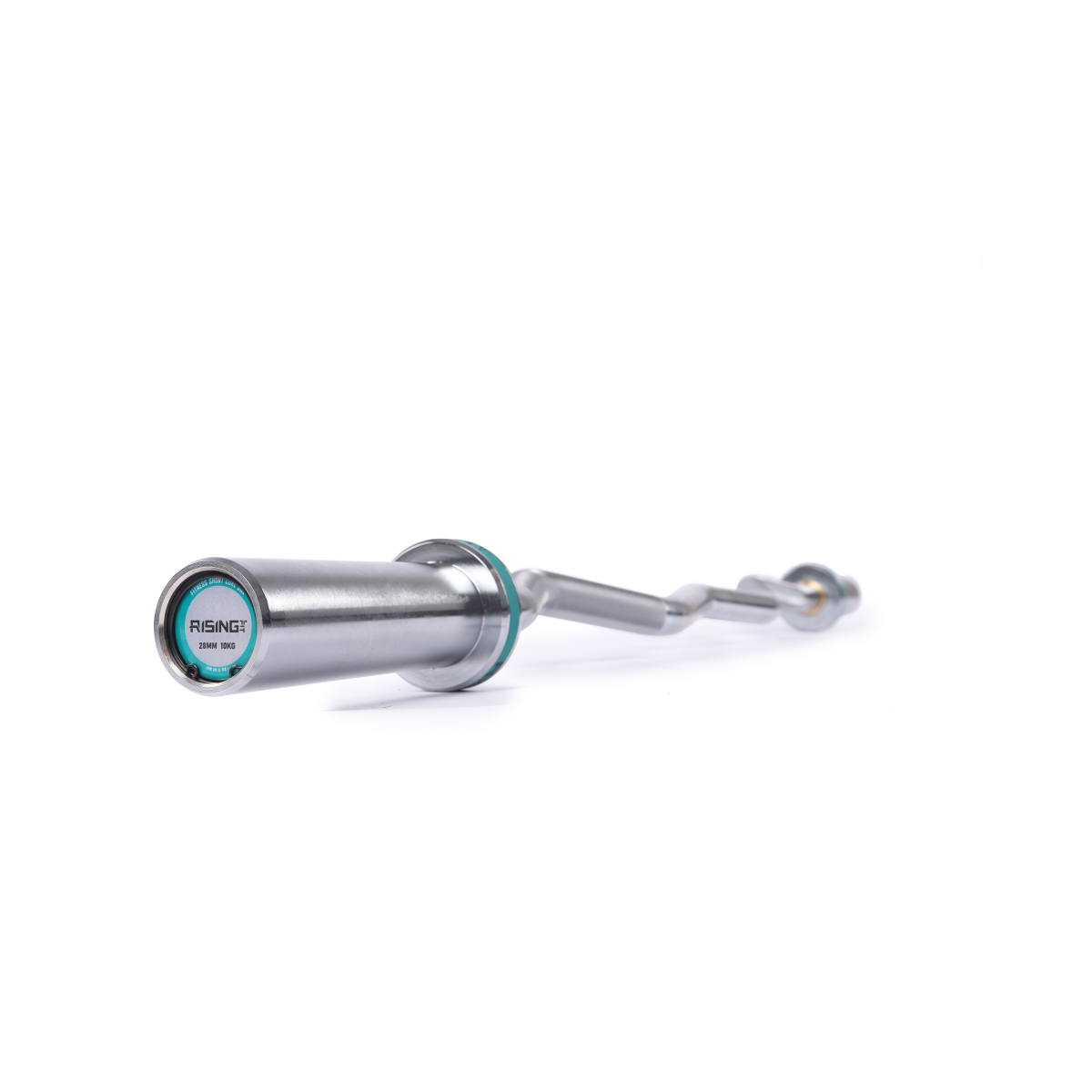
Choosing the right fitness equipment is essential for anyone looking to improve their health and physical condition. Whether you’re aiming for weight loss, strength building, or overall fitness, understanding the differences between cardio and strength equipment is crucial to making the best decision for your goals. Fitness equipment comes in many forms, each designed to target specific areas of your fitness journey, but the question remains: how do you choose the right equipment for your personal fitness goals? This article will explore the differences between cardio and strength equipment and guide you in selecting the best tools to enhance your workouts.
Understanding Cardio Equipment
Cardio equipment is designed to help you improve your heart rate and endurance. This category of fitness equipment is essential for anyone aiming to burn calories, improve cardiovascular health, or increase stamina. Common types of cardio equipment include treadmills, stationary bikes, rowing machines, and elliptical machines. These tools are primarily used for activities that elevate your heart rate over an extended period.
Treadmills and Walking Machines
A treadmill is one of the most popular pieces of cardio equipment. It allows you to walk, jog, or run at various speeds, making it versatile for all fitness levels. Whether you're a beginner or a seasoned runner, treadmills provide a great way to build cardiovascular endurance. You can also adjust the incline to simulate running uphill, which increases intensity and engages different muscle groups. Treadmills are especially beneficial for those who want to stay indoors while still getting a high-impact cardiovascular workout.
Stationary Bikes and Spin Bikes
For those who prefer low-impact cardio workouts, stationary bikes offer a great alternative. Spin bikes, a type of stationary bike, are designed for intense cycling classes and are great for improving cardiovascular endurance. Regular use of stationary bikes helps improve lower body strength, particularly in the quads, hamstrings, and calves. Additionally, bikes are ideal for people who suffer from joint pain since they provide an efficient workout with less impact compared to running.
Exploring Strength Training Equipment
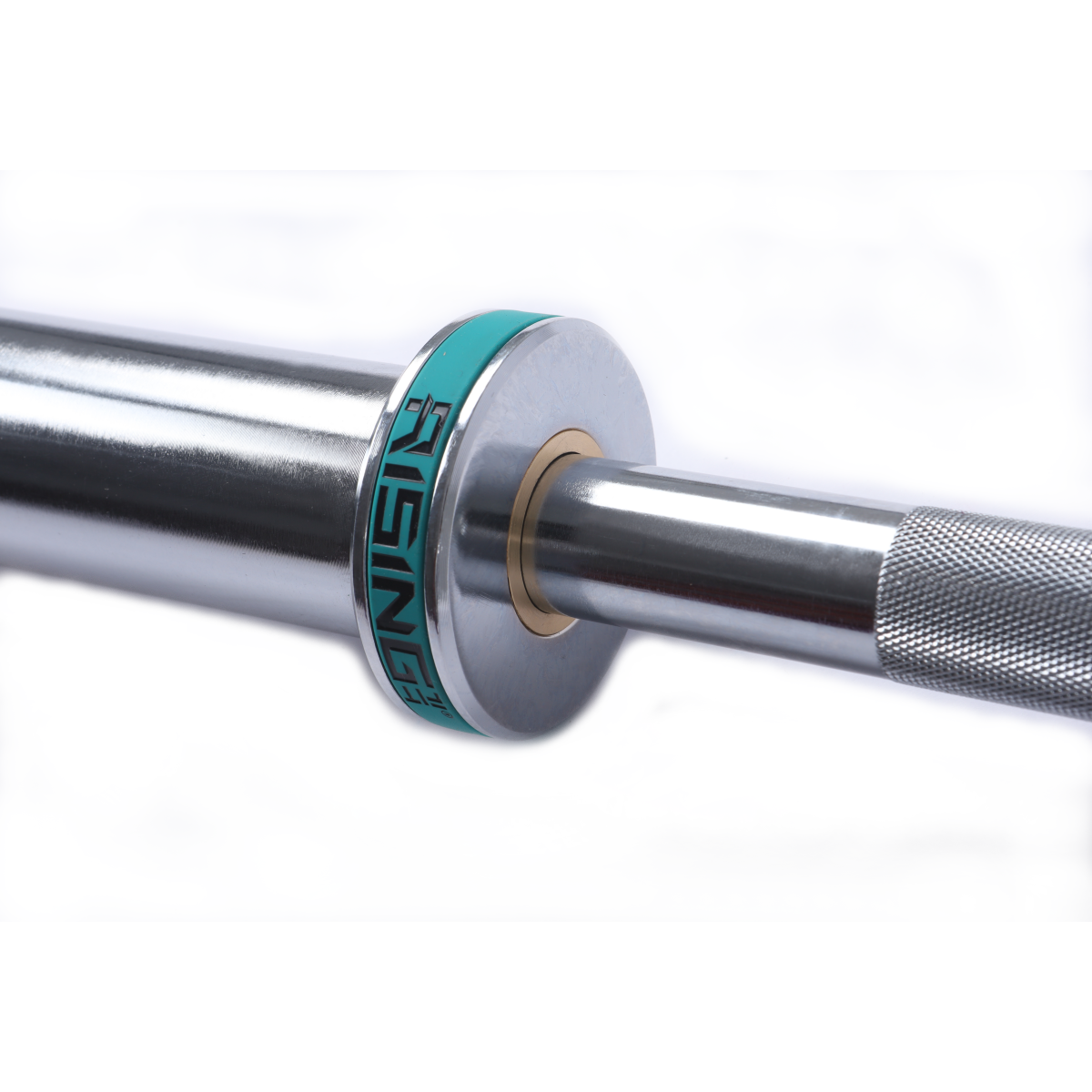
Strength training equipment, on the other hand, is designed to help you build muscle, increase strength, and improve your physique. These machines and free weights work by providing resistance to your muscles, forcing them to work harder than they would during normal daily activities. Strength training can be done using free weights like dumbbells and barbells, or on machines that isolate specific muscle groups.
Free Weights: Dumbbells and Barbells
Free weights, such as dumbbells and barbells, offer a wide range of benefits for strength training. These pieces of equipment are perfect for targeting multiple muscle groups, enhancing coordination, and building muscle mass. Unlike machines that isolate specific muscles, free weights allow you to engage stabilizer muscles, which help improve overall functional strength. Whether you’re lifting light weights for toning or heavier weights for strength gains, free weights are a versatile option for strength training at home or in the gym.
Resistance Machines
Resistance machines are designed to isolate specific muscles, making them excellent tools for focused strength training. Machines such as the leg press, chest press, and lat pull-down provide adjustable resistance, which allows you to gradually increase the weight as you get stronger. These machines are great for beginners because they offer stability and control, reducing the risk of injury while still providing an effective workout.
Key Differences Between Cardio and Strength Equipment
While cardio and strength equipment serve different purposes, they can complement each other in your overall fitness routine. The main difference lies in the type of fitness goals each type of equipment helps you achieve. Cardio equipment is primarily aimed at improving heart health, burning fat, and increasing stamina. On the other hand, strength equipment focuses on muscle growth, increasing strength, and toning the body.
Benefits of Cardio Equipment
Cardio workouts are great for anyone looking to lose weight or improve endurance. Engaging in regular cardio exercises helps increase your heart rate, burn calories, and improve your metabolism. Cardio workouts are also excellent for boosting mental health, as they help reduce stress and increase the production of endorphins, which are known as "feel-good" hormones.
Benefits of Strength Equipment
Strength training is crucial for building muscle, improving bone density, and boosting metabolism. When you engage in strength exercises, your body continues to burn calories even after your workout is over, a process known as excess post-exercise oxygen consumption (EPOC). Additionally, strength training helps improve posture, reduces the risk of injury, and increases overall functional strength, which can make everyday tasks easier.
How to Choose the Right Equipment for Your Goals
The decision between cardio and strength equipment comes down to your personal fitness goals. If you're looking to lose weight or improve cardiovascular health, cardio equipment should be a priority in your workout routine. However, if your goal is to build muscle and improve strength, incorporating strength equipment is essential. Ideally, a balanced fitness routine should include both cardio and strength training, as this combination will give you the best results in terms of overall fitness, fat loss, and muscle growth.
Consider Your Fitness Level
Another factor to consider is your current fitness level. If you are just starting your fitness journey, it's important to choose equipment that matches your abilities. Beginners may find it easier to start with cardio equipment such as a stationary bike or treadmill, while gradually incorporating resistance training as they gain strength. More advanced users may want to focus on more challenging cardio machines, such as rowing machines or spin bikes, as well as advanced strength training equipment like free weights and heavy resistance machines.
Space and Budget Considerations
When deciding on fitness equipment, space and budget are also crucial considerations. Cardio machines such as treadmills and elliptical machines can take up a significant amount of space, while strength training equipment like dumbbells and resistance bands are more compact and can be used in smaller spaces. If you have limited space or a tighter budget, focusing on free weights and compact machines may be a better option.
Frequently Asked Questions (FAQs)
What’s better for weight loss: cardio or strength training?
Both cardio and strength training are important for weight loss. Cardio helps you burn calories and improve heart health, while strength training builds muscle, which can increase your metabolism. A combination of both is ideal for the best results.
Can I use both cardio and strength training equipment together?
Yes, combining both cardio and strength training in your routine provides a well-rounded fitness program. Doing so helps you improve both your endurance and strength, and it can help you achieve faster results in terms of fat loss and muscle gain.
How often should I use cardio equipment for optimal results?
For optimal results, aim for at least 150 minutes of moderate-intensity cardio per week, spread over several sessions. If your goal is weight loss, you may want to increase this amount or incorporate more intense cardio sessions.
Is strength training equipment safe for beginners?
Yes, strength training equipment can be safe for beginners if used correctly. Start with lighter weights or machines that offer guided movement to minimize the risk of injury. It's also recommended to consult a trainer or fitness professional when using strength equipment for the first time.