 EN
EN


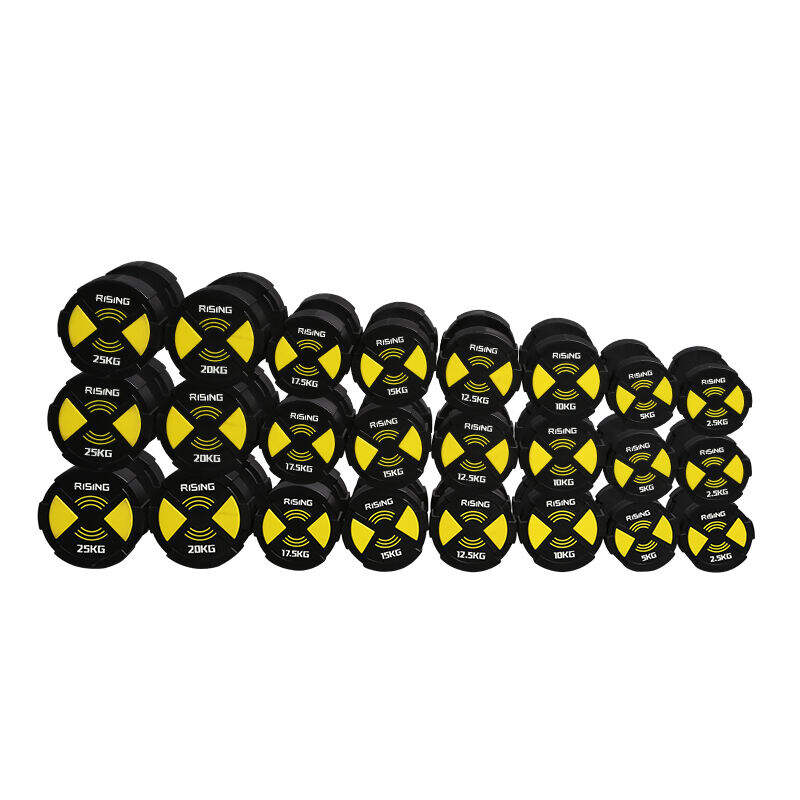
Elevate Your Gym Experience with High-Quality Dumbbells
When it comes to equipping a commercial gym, selecting the right CPU Dumbbells is crucial for both trainers and members. The quality, durability, and ergonomics of these dumbbells directly impact the training experience and safety. Commercial gyms require weights that withstand frequent use, resist wear, and offer a comfortable grip. Investing in high-quality CPU Dumbbells ensures members enjoy effective workouts, while gym owners benefit from reduced replacement costs and maintenance.
Choosing the best CPU Dumbbells goes beyond simple weight selection. It involves understanding the material, coating, handle design, and storage solutions. Unlike casual home equipment, commercial-grade dumbbells need to endure constant handling, occasional drops, and different workout styles, from strength training to high-intensity circuits. This guide will provide insights on what to look for and how to select dumbbells that meet professional standards.
Material and Construction
Steel Core vs Cast Iron
Selecting CPU Dumbbells often starts with understanding the core material. Steel core dumbbells are popular for their superior strength and durability, making them ideal for gyms with heavy usage. Cast iron dumbbells are also widely used, offering affordability and decent longevity. Steel cores provide precise weight distribution, ensuring a balanced feel during exercises. Cast iron may vary slightly in weight over time, but it is still suitable for general commercial use.
A steel core offers resilience against bending or warping under repeated stress. In commercial gyms, dumbbells are constantly lifted, dropped, or adjusted, and a steel core minimizes deformation. Cast iron cores, while robust, may require rubber or urethane coatings to prevent damage to gym floors and reduce noise. The choice of core affects both durability and user experience, making it a critical factor in selecting the right CPU Dumbbells for your facility.
Protective Coatings
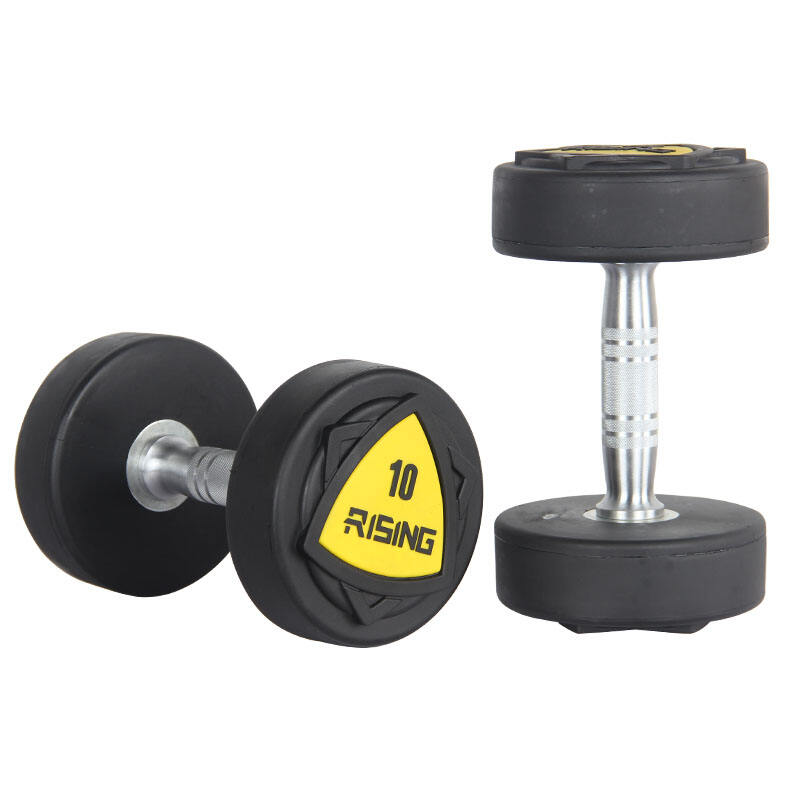
Protective coatings on CPU Dumbbells extend their lifespan and enhance safety. Rubber coatings provide a softer touch, reduce noise, and protect flooring from impact. Urethane coatings are more resistant to cracking and provide a sleek, professional appearance. Coatings also prevent corrosion and rust, which is essential in humid environments such as gyms with showers or pools. A high-quality coating ensures the dumbbells maintain their aesthetic appeal while providing reliable performance over time.
Gym owners should evaluate the coating thickness and quality before purchase. Thicker rubber or urethane reduces the likelihood of chipping and prolongs the lifespan of the dumbbells. Coatings also influence grip comfort and sweat resistance, improving the overall workout experience. Investing in coated CPU Dumbbells can reduce replacement frequency and enhance user satisfaction in a commercial gym setting.
Ergonomics and Grip Design
Handle Shape and Texture
The handle of CPU Dumbbells significantly impacts user comfort and performance. Ergonomically designed handles reduce hand fatigue and improve exercise control. Knurled or textured grips enhance friction, preventing slipping during high-intensity workouts. Rounded or slightly contoured handles fit naturally in the hand, allowing longer training sessions without discomfort.
Commercial gyms benefit from dumbbells with consistent handle designs across different weight ranges. Uniform handle diameter ensures smooth transitions between weights, while ergonomic grips accommodate various hand sizes. A secure grip also minimizes the risk of injury during complex movements, which is particularly important in group classes or personal training sessions.
Weight Distribution and Balance
Proper weight distribution is key to safe and effective exercises with CPU Dumbbells. Well-balanced dumbbells allow controlled movements and prevent unnecessary strain on joints and muscles. Unevenly weighted dumbbells can compromise form, leading to fatigue or injury over time. High-quality dumbbells maintain balance regardless of weight size, ensuring consistent performance across all exercises.
In a commercial gym environment, balanced dumbbells provide a reliable training experience for all members. Whether performing curls, presses, or squats, evenly distributed weights improve muscle activation and promote proper form. Gym operators should prioritize dumbbells that maintain balance over time, even under heavy daily use.
Space-Saving Storage Solutions
Dumbbell Racks and Organization
Efficient storage of CPU Dumbbells improves gym safety and workflow. Dumbbell racks reduce clutter, prevent tripping hazards, and make equipment easily accessible for members. Multi-tiered racks are ideal for gyms with limited space, allowing a range of weights to be stored compactly. Organized storage also extends the life of dumbbells by keeping them off the floor and reducing accidental damage.
Investing in quality racks designed for commercial use is essential. Sturdy racks prevent tipping, accommodate heavier dumbbells, and support ergonomic loading and unloading. Proper storage ensures a professional appearance and enhances the overall gym experience, encouraging members to use equipment safely and consistently.
Accessibility and Workflow
Dumbbell accessibility affects training efficiency and member satisfaction. Racks should be positioned for easy reach, minimizing the need to bend or stretch excessively. Grouping dumbbells by weight categories streamlines workouts and reduces waiting times. CPU Dumbbells that are consistently stored and easy to retrieve encourage proper usage and reduce frustration in busy gyms.
An organized and accessible storage system also supports gym staff in cleaning and maintenance. By minimizing floor clutter, staff can maintain hygiene standards more effectively. Ultimately, accessible storage solutions complement high-quality dumbbells, creating a safe and enjoyable workout environment.
Durability and Maintenance
Resistance to Wear and Tear
Commercial gyms require CPU Dumbbells that withstand rigorous use. Frequent lifting, dropping, and handling can wear down low-quality dumbbells quickly. Durable materials such as steel cores with rubber or urethane coatings resist chipping, scratching, and rust. Long-lasting dumbbells reduce replacement costs and ensure consistent performance for members.
Regular maintenance, including cleaning and inspection, prolongs the life of dumbbells. Wiping down surfaces, checking for loose components, and addressing minor damages promptly prevents larger issues. Gym operators should prioritize dumbbells designed for heavy-duty usage, minimizing downtime and maintaining a professional environment.
Cleaning and Hygiene
Maintaining cleanliness in a commercial gym is important, and CPU Dumbbells are designed to make basic upkeep easier. Their smooth, durable coating and seamless surface help reduce dirt accumulation and allow for quick wiping after workouts. Rubber or urethane-coated dumbbells can be easily cleaned with standard gym disinfectant sprays, ensuring they remain presentable for daily, high-frequency use. Well-maintained dumbbells not only look more professional but also contribute to a cleaner workout environment and a better experience for gym members.
Weight Range Considerations
Commercial gyms need a wide range of CPU Dumbbells to accommodate all fitness levels. Offering increments from light to heavy weights ensures that beginners, intermediate, and advanced users can train effectively. A varied selection also supports diverse training programs, including strength, endurance, and rehabilitation exercises.
Selecting the right weight range is critical for space and budget efficiency. Commercial-grade dumbbells often come in increments of 2.5 to 5 pounds, providing flexibility while maintaining rack organization. Proper planning ensures a complete and professional setup that meets member needs.
FAQ
What are CPU Dumbbells and why are they preferred in commercial gyms
CPU Dumbbells are standard dumbbells commonly used in gyms for a variety of exercises. They are preferred in commercial gyms for their durability, balanced weight distribution, and ergonomic design. They are suitable for frequent use and can withstand the high demands of professional environments.
How should commercial gyms maintain CPU Dumbbells
Maintenance involves regular cleaning, inspection for damage, and ensuring proper storage on racks. Wiping coated surfaces with disinfectants and checking for wear or loose parts prolongs the dumbbells’ lifespan and ensures safe usage for all members.
What factors determine the quality of CPU Dumbbells
Key factors include core material (steel or cast iron), protective coating (rubber or urethane), handle ergonomics, balance, and durability. High-quality dumbbells offer consistent weight, comfortable grips, and resistance to wear, making them ideal for commercial use.
What weight range is recommended for commercial gym dumbbells
A comprehensive range typically spans from 5 pounds to 100 pounds, with increments of 2.5 to 5 pounds. This range accommodates beginners to advanced users and supports a variety of training programs, ensuring versatility and convenience in gym operations.