 EN
EN


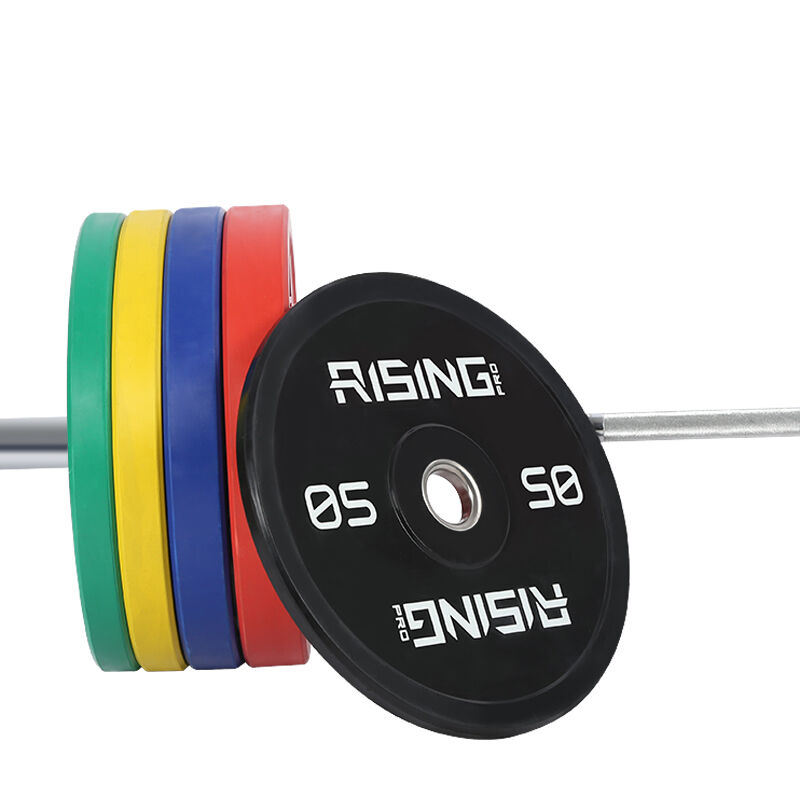
CrossFit training demands equipment that can withstand intense workouts, repeated drops, and Olympic lifting movements. Among the most essential pieces of equipment for any serious CrossFit athlete or gym are bumper plates, which provide the durability and safety features necessary for high-intensity functional fitness training. These specialized weight plates have revolutionized the way athletes approach Olympic lifts, metabolic conditioning, and strength training by offering superior protection for both equipment and flooring while maintaining consistent performance standards.
The fundamental design of bumper plates centers around their rubber construction, which allows them to be dropped from overhead positions without damaging floors or creating excessive noise. This characteristic makes them indispensable for CrossFit boxes and home gyms where Olympic lifting movements like snatches, clean and jerks, and deadlifts are performed regularly. Unlike traditional iron plates, these rubber-coated alternatives absorb impact effectively while maintaining their structural integrity through thousands of drops and lifts.
Essential Features and Construction Standards
Rubber Composition and Durability Factors
The rubber used in quality bumper plates typically consists of virgin rubber or recycled rubber compounds that provide optimal bounce characteristics and longevity. Virgin rubber offers superior consistency and resistance to cracking, while high-grade recycled rubber provides cost-effective performance for most training applications. The shore hardness rating, usually between 85-95 on the Shore A scale, determines how the plates will bounce and absorb impact during drops from various heights.
Manufacturing processes involve molding the rubber around steel insert rings that maintain precise weight tolerances and provide secure barbell attachment. Premium bumper plates feature dead bounce technology, which minimizes rebound upon impact to prevent dangerous plate movement and ensure athlete safety during high-intensity training sessions.
Weight Accuracy and Calibration Standards
Professional-grade bumper plates maintain weight tolerances within 1-2% of their stated weight, ensuring consistent loading for competition preparation and progressive overload training. International Weightlifting Federation standards specify exact dimensions and weight requirements that many CrossFit-oriented plates follow to provide authentic Olympic lifting experiences during training sessions.
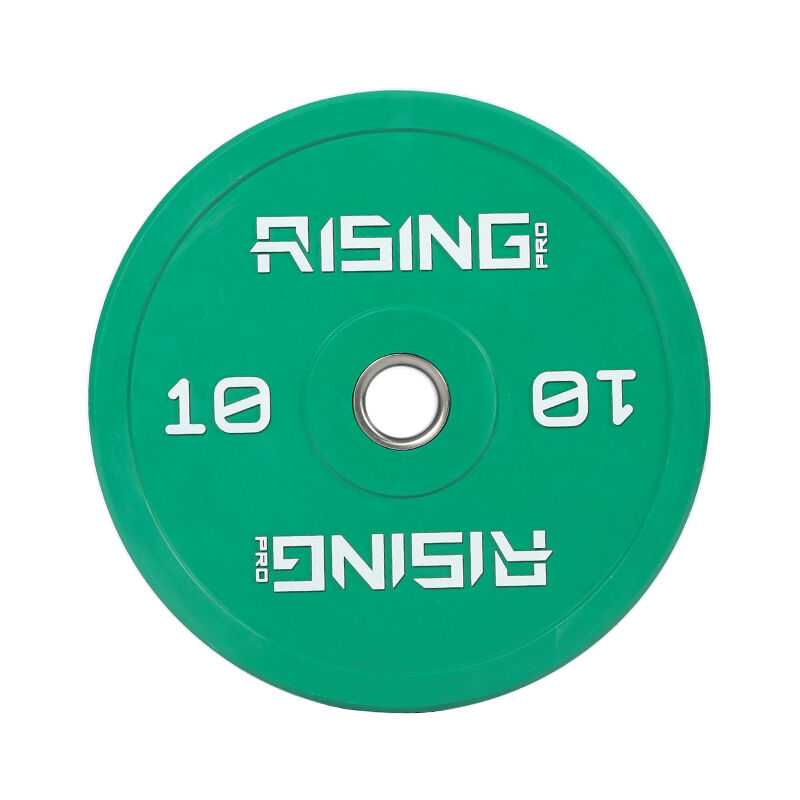
Color coding systems help athletes quickly identify weights during fast-paced workouts, with standardized colors including red for 25kg, blue for 20kg, yellow for 15kg, green for 10kg, and lighter colors for fractional plates. This visual system reduces loading errors and speeds up weight changes during timed workouts or circuit training.
Performance Benefits in CrossFit Training
Olympic Lifting Movement Integration
CrossFit programming heavily emphasizes Olympic lifting movements that require safe dropping capabilities when athletes miss lifts or complete successful attempts. Bumper plates enable athletes to perform snatches and clean and jerks with confidence, knowing they can safely release the barbell from overhead positions without equipment damage or injury risk from bouncing weights.
The consistent diameter across all weight denominations allows athletes to maintain proper pulling positions and barbell height regardless of the load. This standardization proves crucial for technique development and ensures that lighter training loads simulate the same movement patterns as heavier competition attempts.
Metabolic Conditioning and High-Intensity Applications
During metabolic conditioning workouts that combine weightlifting with cardiovascular elements, bumper plates facilitate rapid transitions between exercises without compromising safety or equipment integrity. Athletes can perform deadlift variations, overhead movements, and ground-to-overhead exercises with minimal setup time and maximum focus on training intensity.
The reduced noise levels compared to traditional iron plates make bumper plates suitable for residential training environments and commercial gyms with noise restrictions. This acoustic advantage allows for early morning or late evening training sessions without disturbing neighbors or other facility users.
Selection Criteria for CrossFit Applications
Thickness Considerations and Loading Capacity
Plate thickness directly affects how many plates can fit on a standard Olympic barbell, with thinner profiles allowing for heavier loading configurations. Competition-style bumper plates typically measure 40-50mm thick for lighter weights, while training plates may be thicker to provide better durability for high-volume use in commercial environments.
CrossFit athletes should consider their maximum lifting goals when selecting plate sets, ensuring that the thickest plates in their collection will allow adequate loading for their strongest lifts. Sets that include both thin competition plates and thicker training plates offer versatility for different training phases and loading requirements.
Insert Ring Quality and Barbell Compatibility
The steel insert ring that interfaces with the barbell sleeve must maintain precise tolerances to ensure secure loading and prevent excessive play during dynamic movements. High-quality inserts feature smooth finishes that won't scratch barbell sleeves and maintain their circular shape through repeated loading and unloading cycles.
Compatibility with both men's and women's Olympic barbells requires insert rings that accommodate the slight diameter differences between these bar types. Universal compatibility ensures that athletes can use the same plate set regardless of which barbell they're training with during different workout sessions.
Maintenance and Longevity Strategies
Proper Storage and Handling Techniques
Storing bumper plates on appropriate racks or trees prevents deformation and extends their service life significantly. Vertical storage systems distribute weight evenly and allow for easy plate selection, while horizontal stacking should be limited to prevent compression damage to the bottom plates in the stack.
Regular cleaning with mild soap solutions removes chalk residue, sweat, and debris that can degrade rubber compounds over time. Avoiding exposure to extreme temperatures, direct sunlight, and petroleum-based cleaning products helps maintain the rubber's elasticity and prevents premature aging or cracking.
Usage Guidelines and Safety Protocols
Establishing proper dropping techniques ensures maximum plate longevity while maintaining safety standards. Athletes should release barbells from positions that allow plates to land flat rather than on edges, which can cause premature wear or damage to the plate structure.
Regular inspection for cracks, deformation, or loose insert rings helps identify potential safety hazards before they become problematic. Replacing damaged plates promptly prevents injury risks and maintains the integrity of training sessions and competition preparation.
Economic Considerations and Investment Value
Cost Analysis and Long-Term Value
While bumper plates require a higher initial investment compared to traditional iron plates, their durability and versatility provide superior long-term value for serious CrossFit practitioners. The ability to perform Olympic lifts safely without floor damage eliminates the need for expensive platform modifications or repairs that iron plates might necessitate.
Commercial gym owners benefit from reduced maintenance costs and improved member satisfaction when providing quality bumper plates for Olympic lifting areas. The professional appearance and performance characteristics of premium plates can justify higher membership fees and attract serious athletes to the facility.
Set Configuration and Expansion Planning
Starting with a basic set that covers fundamental training loads allows athletes to begin serious Olympic lifting while planning for future expansion based on strength development and training goals. Initial sets typically include pairs of 45, 35, 25, and 15-pound plates or their kilogram equivalents for metric-based training programs.
Advanced athletes may require fractional plates for precise loading and competition preparation, along with heavier denominations that support their maximum lifting capabilities. Planning expansion purchases around training cycles and strength goals ensures optimal equipment utilization and budget allocation.
FAQ
What makes bumper plates different from regular weight plates
Bumper plates feature rubber construction that allows safe dropping from overhead positions, consistent diameter across all weights, and reduced noise compared to iron plates. They're specifically designed for Olympic lifting movements common in CrossFit training, where athletes need to drop loaded barbells safely without damaging equipment or floors.
How much weight can bumper plates handle before breaking
Quality bumper plates can withstand thousands of drops from overhead positions when used properly. Most commercial-grade plates are tested to survive drops from 8-10 feet repeatedly, though proper dropping technique and appropriate flooring help maximize their lifespan. Premium competition plates often exceed these standards significantly.
Can bumper plates be used for all types of lifting exercises
Bumper plates work excellently for Olympic lifts, deadlifts, and most functional fitness movements. However, they may not be ideal for exercises requiring precise plate loading in tight spaces or movements where the thicker profile creates clearance issues. They're perfectly suited for the vast majority of CrossFit training applications.
Do bumper plates require special flooring or platforms
While bumper plates can be used on concrete floors, rubber flooring or dedicated lifting platforms provide optimal performance and longevity. Proper flooring reduces plate wear, minimizes bounce, and protects both the plates and the underlying surface. Many home gyms use rubber mats or platform systems specifically designed for Olympic lifting with bumper plates.